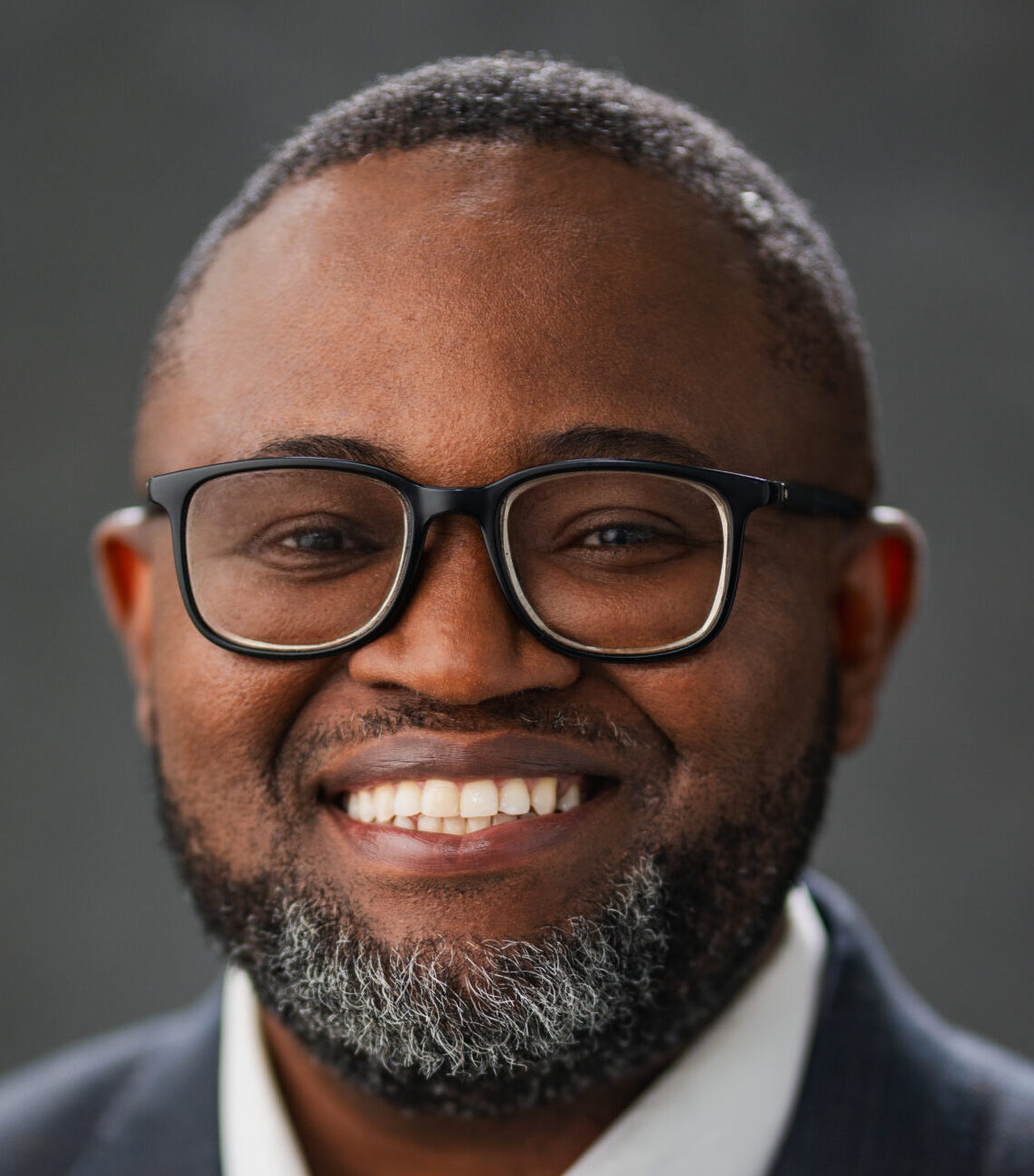
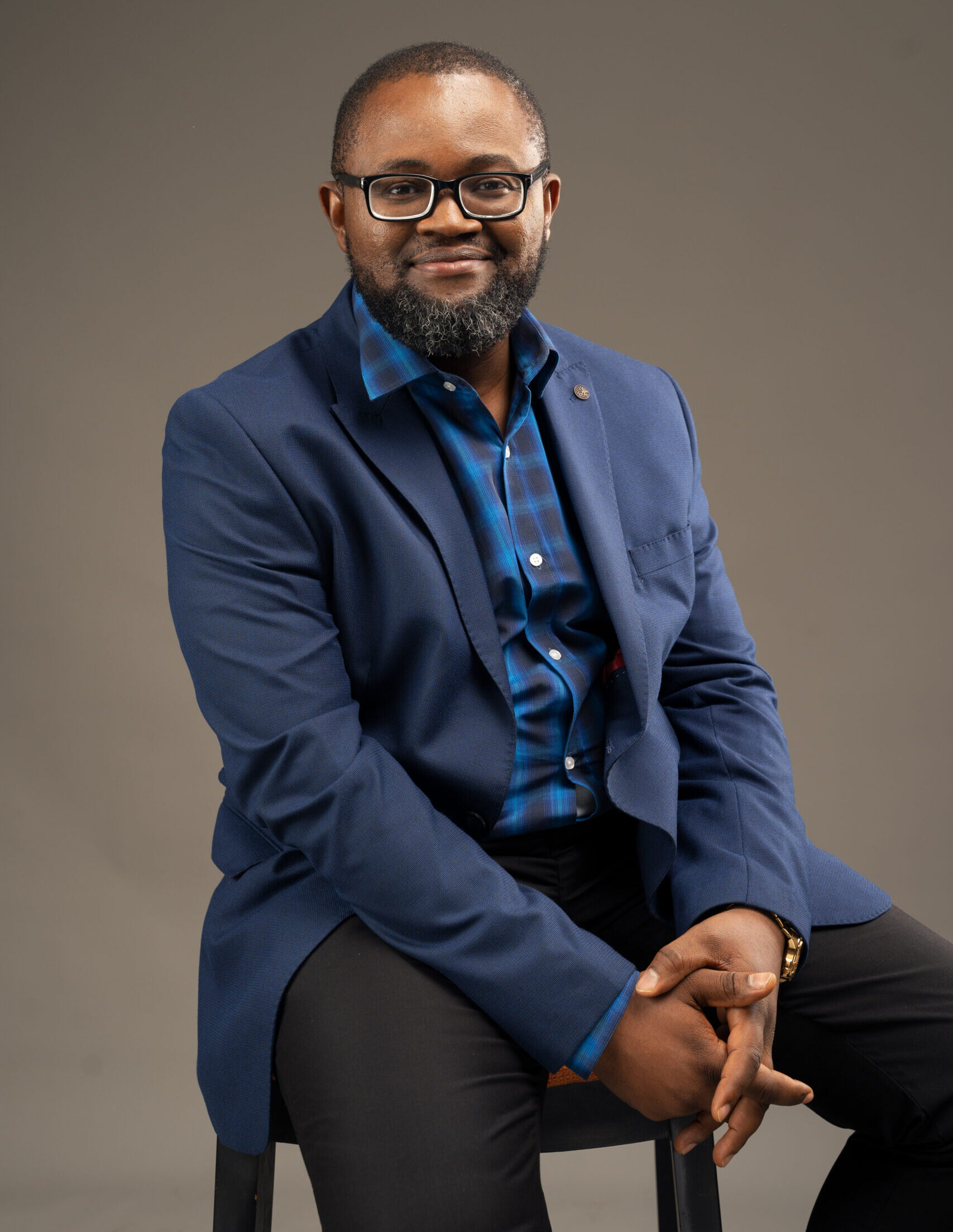
Meet Uchenna Ibemere, a communications and marketing executive with over two decades of experience in the communications profession. Uchenna currently leads the strategic communications agenda across diverse business portfolios at Cavista Holdings. In this interview, he shares his career progression from journalism to corporate communications, and the skills he has found particularly valuable as he has grown into leadership.
What inspired you to pursue a career in Communications?
NTA News!
My parents wanted me to become a lawyer, but I wanted to be Cyril Stober or John Momoh on NTA.
So, in secondary school (FGC Ogbomoso), I joined the Press Club and later became an editor/newscaster. One of our key activities was reading the news (a collection of school gist, national and international news stories) at our daily school assembly. This experience encouraged me to pursue a career in journalism.
I eventually studied Mass Communication at the Federal Polytechnic, Oko, Anambra State, before working with NTA and later Silverbird Communications, where I became the youngest News Editor at the time.
I then joined MTN Nigeria, where I soon learnt that communication isn’t just about writing press releases or managing social media. It’s about solving business problems.
Whether you’re launching a product, managing a crisis, building an employer brand or earning stakeholder trust, communication sits at the centre of it all.
More than 20 years later, that’s still what keeps me excited. Every business has a story. The challenge is finding the one that people actually care about and telling it in a way that’s authentic, relevant and delivers results.
What does your day-to-day role as PR and Communications Director involve?
This might sound like a cliché, but no two days are ever the same, and that’s probably my favourite part of the job.
I lead Communications for Cavista Holdings and provide strategic support across five portfolio companies operating in technology (Cavista Technologies), agriculture (Agbeyewa Farms, Matna Foods Limited), hospitality (Glocient Hospitality, managers of Ikogosi Warm Springs Resort and Conference Center), and financial services (Payzeep).
This means in the same day, I might advise an agribusiness executive on stakeholder engagement, review a crisis response for our fintech business, refine communication for the technology business, and support a hospitality campaign. That variety keeps the job interesting.
It also means there can be a lot of meetings each day, so time management is critical. The rest of the day is split between handling the strategic tasks and the operational tasks.
A big part of my role is helping communications earn its seat at the table. That means making sure every campaign, media engagement and piece of content supports a clear business objective rather than simply generating visibility.
To do this effectively, I set aside at least 2 hours every week (depending on my schedule) to read up and research these industries, so I can ask the right questions at these meetings and provide valuable support to these businesses.
Communicating across a diverse portfolio of businesses presents a unique challenge. How do you ensure each brand has a distinct voice while still reflecting the broader organisation?
I start with one simple question: What business problem is this brand solving, and who is it solving it for?
Every brand should have its own personality because every audience is different. The way we communicate for a hospitality business shouldn’t sound like the way we communicate for a technology company or an agricultural enterprise.
What connects them is not identical messaging but shared values. Across every Cavista Holdings portfolio company, we expect the same standards: integrity, operational excellence, collaboration and a genuine commitment to creating a positive impact and transforming lives.
Once those foundations are clear, each business has the freedom to develop a voice that feels authentic to its customers while still reflecting the culture and purpose of the Group.
In essence, consistency shouldn’t mean sounding the same. It should mean standing for the same things.
Can you tell us about a project that you particularly enjoyed working on in your career?
There are several projects that I have enjoyed working on which made a huge impact on my career, but one that I really enjoyed happened years ago: launching what was arguably the first staff radio station in corporate Nigeria.
It was developed in response to feedback from the Employee Culture Audit, which indicated that staff engagement levels had seriously dropped, and most employees felt disconnected from the brand.
To address this business challenge, the Comms team put forward an ambitious (and controversial) proposal to launch a staff radio station, complete with news, entertainment, sports and music programmes, and interviews with the company leadership. These programmes were presented by employees and aired twice a week across all office locations, with the recordings played on the staff bus for employees to listen to on their way home.
By providing information about their company in a unique, engaging way, this project helped rebuild the company’s connection with its employees, helping turn employees into stronger advocates for the brand. This became very useful in the later years when the company faced a difficult reputational crisis.
That project reinforced something I’ve believed ever since: when Communications solves a business problem, people stop seeing it as a support function and start seeing it as a strategic advantage.

What’s one soft skill you’ve had to intentionally develop as you’ve progressed into leadership?
Listening.
Early in my career, I believed leadership meant having the answers.
Experience taught me that leadership is less about having all the answers and more about asking better questions, thereby creating space for others to contribute.
Communications professionals spend a lot of time talking, presenting and advising. But some of the best decisions I’ve made have come from listening first: to colleagues, customers, journalists and business leaders.
You can’t communicate effectively if you don’t first understand what matters to the people you’re trying to reach.
If someone spent just one day shadowing you at work, what’s one thing about your role that would surprise them most?
They’d probably be surprised by how little of my day is actually spent writing.
People often assume communications is all about media coverage. Media coverage is certainly part of what we do, but I see our role more broadly.
Our job is to generate the right kind of visibility while helping the business achieve its objectives. Sometimes that means earning positive publicity. Other times it means preventing a crisis, building trust with employees, or helping leaders communicate difficult decisions.
That’s why a large part of my day is spent in business discussions, stakeholder meetings, planning sessions, coaching leaders, reviewing risks and anticipating issues before they become headlines.
Writing is important, but it’s only the final output. The real work happens long before the first word is written.