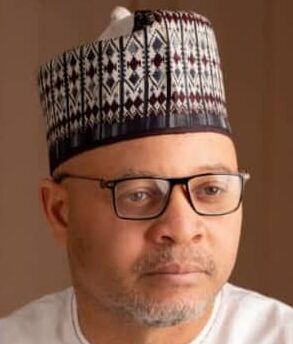

This monthly series gives you a behind-the-scenes look at A Day in the Life of a Comms Professional.
For Francis Wachira, PhD, strategic communications is not simply about telling an organisation’s story. It is about asking the right questions, influencing decisions, and ensuring that communication contributes to the organisation’s wider goals.
What habits or routines help you get ready for work?
I am a strategic communications leader with more than 13 years of experience spanning development finance, public health and higher education. I currently work with the Africa Enterprise Challenge Fund (AECF), which supports early- and growth-stage businesses across Africa. Before joining AECF, I worked on USAID-funded programmes supporting public health initiatives in Kenya.
I hold a bachelor’s and master’s degree in communication and have recently completed my PhD in communication, alongside other professional certifications.
One of the most important disciplines I have developed over the years is planning. But planning, for me, goes beyond putting activities on a calendar. It starts with a fundamental question: What does the organisation need to achieve, and how can communications help make that happen?
There is no shortage of things a communications team can do. You can publish social media content, organise events, produce publications and secure media coverage. But activity alone is not evidence of value. We must ask whether these efforts are advancing the organisation’s priorities, strengthening its reputation, influencing the right audiences or contributing to measurable results.
I believe this distinction is central to communications leadership. Our responsibility is not simply to keep the communications function busy; it is to ensure that the function is purposeful, strategic and accountable. That requires us to understand the organisation’s business, anticipate its needs and give the team clear direction.
Outside work, I prioritise physical, spiritual and intellectual wellbeing. Most mornings, I walk about six kilometres. It gives me time to think, reset and approach the day with a clearer mind. My Christian faith is also important to me. I make time for prayer, Bible reading and seeking spiritual direction.
I also read widely. I am currently reading The 4 Disciplines of Execution, which has prompted me to think more deliberately about translating organisational priorities into execution. Strategy is important, but its value ultimately depends on whether people can turn it into action.
And I have learnt not to underestimate rest. There are times when I take leave simply to slow down, rather than to travel or fill my schedule with activities. Communications can be demanding, particularly when you are constantly responding to developments and deadlines. Rest helps me sustain the energy and clarity that good leadership requires.
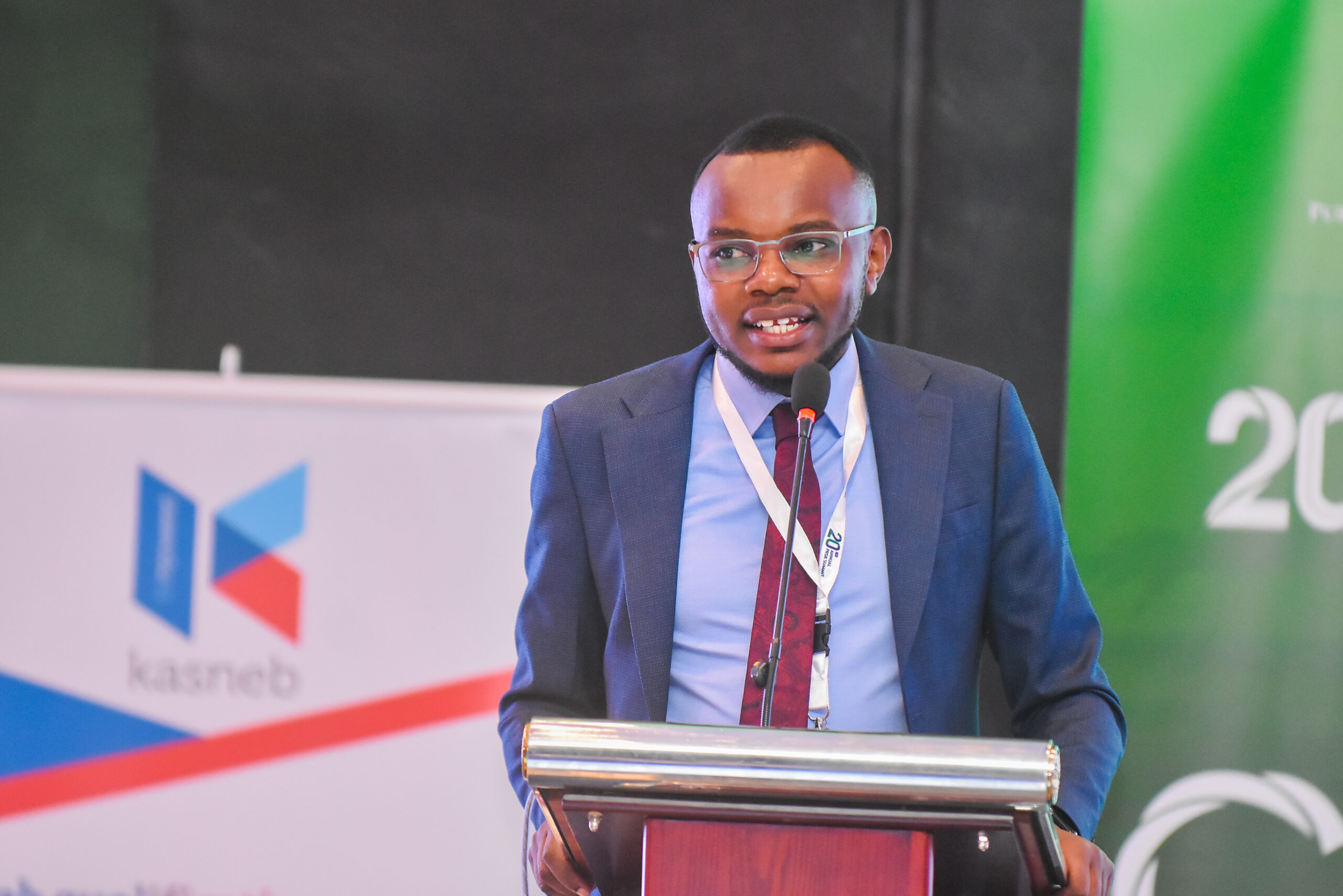
What does a typical workday look like for you?
I usually arrive at the office at around 8 a.m. and begin by checking my emails, identifying what requires immediate attention, what needs to be delegated, and what calls for follow-up.
I then review our social media channels and assess how our content is performing. We generally publish on Mondays, Wednesdays, and Fridays, but publishing is only one part of the process. I am interested in how audiences respond, the sentiment around our content, and what the engagement tells us about the effectiveness of our communication.
I don’t believe communication ends when a message is published. That is often where the real work of listening, learning and adjusting begins.
My day is also shaped by the organisation’s priorities. For example, when we are reviewing the website, my role goes beyond checking copy. I consider whether the content communicates our value clearly, whether the user experience supports our objectives, and whether the platform reflects the organisation’s strategic direction. This involves working with colleagues and stakeholders, reviewing proposed changes, and making decisions that move the process forward.
Meetings are another part of the job, but I have learned to be deliberate about where I spend my time. Not every meeting requires my presence. As a leader, I need to distinguish between decisions that require my direct involvement and work that colleagues can own.
That is also how I think about delegation. Leadership isn’t about being involved in every detail; it is about creating the conditions for people to deliver while staying available when direction or a decision is needed.
At the end of the day, I review my priorities and assess what has been completed, what needs to be carried forward, and what must be resolved before I leave. Some days take more time than others, but I try to use it intentionally.
Ultimately, my day is a balance of strategic thinking, decision-making, collaboration, and execution. Communications leadership requires understanding the bigger picture, but it also requires the discipline to ensure the details are taken care of.
What tools or apps do you use most in your work, and why?
My work brings together research, storytelling, digital communication, multimedia production and performance analysis, so I use different tools depending on the task.
I use Claude for research and planning, while ChatGPT is useful for developing and refining stories. My approach to AI is practical: these tools can help accelerate thinking and production, but the quality of the output depends on the questions we ask, the context we provide and the judgement we bring to the results.
I do not see AI as a substitute for communications expertise. It can help us work faster, explore different approaches and interrogate ideas, but it cannot take responsibility for an organisation’s voice, strategic choices or credibility. Those still require human judgement.
For multimedia storytelling, I use Adobe Premiere Pro for video editing and Lightroom Classic for photography. Canva, Illustrator and InDesign support design and publication work, while Buffer helps me manage our social media accounts from one place.
I also use social media listening and analytics tools to monitor reach, impressions, engagement and audience sentiment. These insights help me assess what is resonating, identify patterns and inform future decisions.
The important thing is not how many tools we use, but whether we use them to improve the quality of our work. Technology should help communications professionals make better decisions, tell stronger stories and understand their audiences more deeply.
If you were not in communications, what career path would you explore, and why?
I would seriously consider law. I have always had a strong sense of justice and fairness, and I find it difficult to ignore situations where people are treated unfairly. Even in everyday situations, I am conscious of whether people are following the same rules and being treated equitably.
I am particularly interested in criminal law and the process of establishing facts, testing evidence and determining responsibility. I still believe studying law is a possibility for me at some point.
The other path I would consider is ministry. My Christian faith has always been important, and I believe spiritual guidance can influence how people understand their purpose and approach different aspects of life. I remain actively involved in church and make myself available to serve where I can.
Although these paths may appear different from communications, I see a common thread: an interest in people, truth, fairness and the way ideas influence how we understand the world.
What is your favourite way to relax after work?
Music is one of my favourite ways to unwind. I enjoy listening to good music, appreciating the artistry behind a composition or watching musicians perform live. I particularly enjoy hearing familiar songs rearranged in creative ways. There is something fascinating about how a different interpretation can give a piece of music an entirely new character.
I also enjoy travelling, especially by road. I have visited several cities across the continent, and I enjoy the chance to experience places beyond my usual work routine.
On one trip to Lagos, I found myself without mobile data or Wi-Fi. Rather than remain in my hotel, I went out and walked around the city. I eventually came across a shopping mall, explored it, and bought a pair of shoes and some African wear that I still have. It remains a memorable experience because it was unplanned and allowed me to discover something of the city on my own terms.
I also enjoy engaging with people and exchanging ideas. You can learn a great deal by listening to someone whose experiences differ from yours. It reminds you that expertise does not mean you have exhausted everything there is to know.
Mentorship is another way I stay connected to people and their growth. Supporting professionals who are finding their way in their careers allows me to share what I have learnt and help them recognise opportunities they might not have considered.
For me, relaxation is not necessarily about doing nothing. It is about creating space for experiences, relationships and interests that are different from the demands of work.

What advice would you give to younger professionals looking to build a career in communications?
My advice is to find your area of distinction and become exceptionally good at it.
Communications is a broad profession, and there is often pressure to do everything: social media, Public Relations, graphic design, photography, video production, event management, writing, and strategy. Having a range of skills is valuable, particularly in a profession that continues to evolve. But trying to master everything at once can make it difficult to develop the depth of expertise that sets you apart.
I encourage young professionals to build a strong foundation in one area while developing complementary skills. If you are a strong writer, for example, learn how to conduct interviews, develop compelling narratives and understand the audiences you are writing for. If you are interested in digital communications, learn to interpret data and use it to improve your decisions.
But go a step further and ask yourself: What is the one thing an organisation would come to me for because I do it particularly well?
That question forces you to think beyond your job title. It requires you to identify the problem you can solve and the value you can bring.
I would also encourage young professionals to understand the organisations they work for. Communications is not an isolated function. Whether you work in development finance, public health, higher education or the private sector, you need to understand the institution’s objectives, the environment in which it operates, and the people it needs to reach.
This is what enables you to move from executing assignments to contributing to decisions. You become better equipped to explain not just what communication can do, but why a particular intervention matters and what it should achieve.
Finally, invest in continuous learning. Read, experiment, seek feedback, and remain curious. The tools will change, platforms will evolve, and new demands will emerge. A strong professional foundation, combined with the willingness to learn, will help you adapt without losing sight of what you do best.
The goal is not to do everything. It is to build the depth, judgment, and versatility to do the right things exceptionally well.