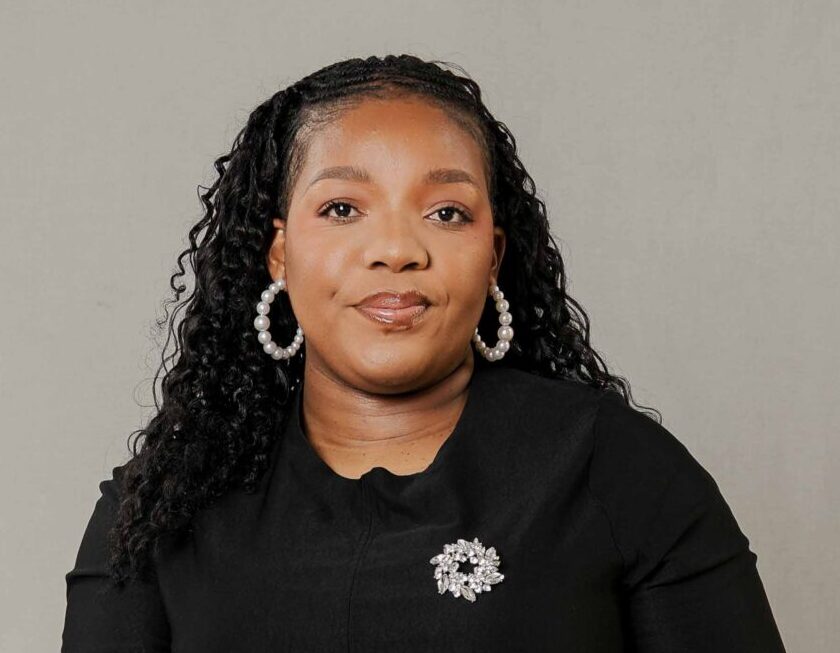

“For me, communications is more than a profession; it is a calling. It is a way to document truth, amplify unheard voices, and ensure that the experiences of vulnerable communities are shared with honesty, dignity, and purpose” ~ Tabitha Afzal Imdad, Communications, Reporting & Knowledge Management Specialist, DAI
What inspired you to pursue a career in Communications?
My journey into communications was deeply shaped by my experience of growing up as a Christian in Pakistan. From a young age, I became aware that many stories from minority communities were often unheard, misunderstood, or misrepresented. Living in a society where identity and faith can influence how people are perceived made me realise how powerful narratives can be in shaping public opinion and attitudes.
As a Christian, I witnessed first-hand how stories of discrimination, resilience, and faith rarely reached wider audiences. At the same time, I also saw the strength of communities that continued to live with dignity and hope despite the challenges. These experiences made storytelling deeply personal for me. I began to understand that communication is not simply about sharing information; it is about creating space for voices that are often overlooked.
Over time, I saw how responsible media coverage and thoughtful storytelling could bring attention to humanitarian crises, social injustices, and the lived realities of marginalised communities. It became clear to me that communication can serve as a bridge between communities, policymakers, and global audiences, helping people understand realities that might otherwise remain invisible.
For me, communications is therefore more than a profession; it is a calling. It is a way to document truth, amplify unheard voices, and ensure that the experiences of vulnerable communities are shared with honesty, dignity, and purpose. Through storytelling, I hope to contribute to greater awareness, empathy, and, ultimately, positive change.
At DAI, I work with the Fleming Fund Country Grant Pakistan, a programme that supports national efforts to combat antimicrobial resistance (AMR), one of the most pressing global health challenges of our time.
My role focuses on communications and knowledge management, where I translate complex technical work, such as laboratory strengthening, surveillance systems, and policy initiatives, into clear, engaging stories that diverse audiences can understand. I work closely with technical teams, government partners, and laboratories across Pakistan to document progress, highlight lessons learned, and communicate the programme’s impact.
A key part of my work also involves organising communication campaigns, events, and conferences that bring together stakeholders from across the public health and veterinary sectors. These platforms help amplify important conversations around AMR and foster collaboration between institutions and experts.
In addition, I produce a wide range of communication products, including op-eds, impact stories, blogs, infographics, and videos, helping to translate technical evidence into accessible and compelling narratives. My work also includes developing newsletters, social media content, reports, case studies, and other digital storytelling products that showcase the programme’s achievements.
An important aspect of my role is ensuring that the work of our partners, particularly institutions such as the National Institute of Health and other stakeholders involved in AMR surveillance, is visible both nationally and internationally.
What I enjoy most about my role is transforming technical achievements into human stories, stories about scientists strengthening laboratories, policymakers improving surveillance systems, and communities ultimately benefiting from stronger and more resilient health systems.
Knowledge management is often behind the scenes; how do you demonstrate the value of this work to your stakeholders?
Knowledge management often operates quietly in the background, but its impact becomes clear when organisations need to learn from their own experiences and ensure that valuable insights are not lost over time.
In my work, I try to demonstrate its value by making knowledge practical, accessible, and useful for different audiences. Rather than simply storing information, I focus on transforming data, reports, and field experiences into knowledge products that people can actually use, such as case studies, visual dashboards, stories from the field, and concise briefing notes.
I have also contributed to developing knowledge management strategies and establishing structured resource hubs where information, publications, and learning materials can be easily accessed by teams and partners. Creating these systems helps ensure that institutional knowledge is organised, searchable, and available for future programmes and decision-making.
For example, when technical teams see their work reflected in a well-crafted story or publication that is shared globally, they begin to recognise how knowledge products amplify their efforts. Similarly, when policymakers or partners use documented evidence to inform strategies or policies, the value of knowledge management becomes very visible.
Ultimately, I see knowledge management as the institutional memory of an organisation. It ensures that lessons, successes, and challenges are captured, shared, and used to improve future programmes rather than being forgotten.

How do you go about organising and sharing information within a large organisation?
In large organisations, information can easily become fragmented if it is not managed thoughtfully. My approach focuses on clarity, accessibility, and consistency.
First, I work closely with teams to understand what information is m
ost important and who needs it. From there, I help organise content into clear structures, whether through shared repositories, newsletters, briefing notes, or internal updates.
Second, I try to translate complex technical information into formats that different audiences can easily digest. Visual storytelling, concise summaries, and structured documentation are very helpful in this regard.
Finally, communication is key. Regular updates, internal communication channels, and collaborative processes help ensure that information flows across departments rather than remaining siloed.
When people can easily access knowledge and see how it supports their work, information sharing becomes a natural part of the organisational culture.
What is a challenge you’ve faced in your professional journey in Pakistan, and how did you overcome it?
Working in communications in Pakistan often means navigating complex social, political, and cultural realities. One challenge I have faced is communicating sensitive issues, particularly those related to public health or social inequalities, in a way that is accurate, respectful, and impactful.
For example, during humanitarian crises such as the devastating floods in Pakistan, I worked on digital communications campaigns that highlighted the experiences of affected communities. The challenge was balancing urgency with dignity, ensuring that stories captured the severity of the situation while respecting the humanity of the people involved.
I overcame this by focusing on ethical storytelling: listening carefully to communities, verifying information, and presenting stories in ways that empower rather than exploit.
These experiences reinforced an important lesson for me: Communications is not just about visibility; it is about responsibility. What book/resource are you currently reading or would you recommend to younger professionals, and why?
One book I often recommend to younger professionals is Start with Why by Simon Sinek. The book emphasises that successful individuals and organisations are driven not just by what they do, but by why they do it.
For professionals beginning their careers, it can be easy to only focus on tasks, job titles, or technical skills. However, understanding your deeper purpose, what motivates you and the impact you want to create, can shape your entire professional journey.
For communications professionals in particular, this idea is powerful. When we understand the “why” behind our work, our storytelling becomes more authentic and meaningful.
I would also encourage young professionals to stay curious, read widely, and learn from diverse voices. Communications is constantly evolving, and the best communicators are those who never stop learning.