What motivated you to pursue a career in Communications?
I have always been passionate about using communications to make a difference. For me, it is about more than simply sharing information; it is about connecting people, ideas, and solutions in ways that lead to real impact. In the development sector, communications is a powerful tool for highlighting work that might otherwise go unseen, influencing decisions, and bringing communities and stakeholders together. That is what drew me to development communications and what keeps me committed to this field.
Tell us about your role at Dev-Afrique. What are your primary responsibilities day to day?
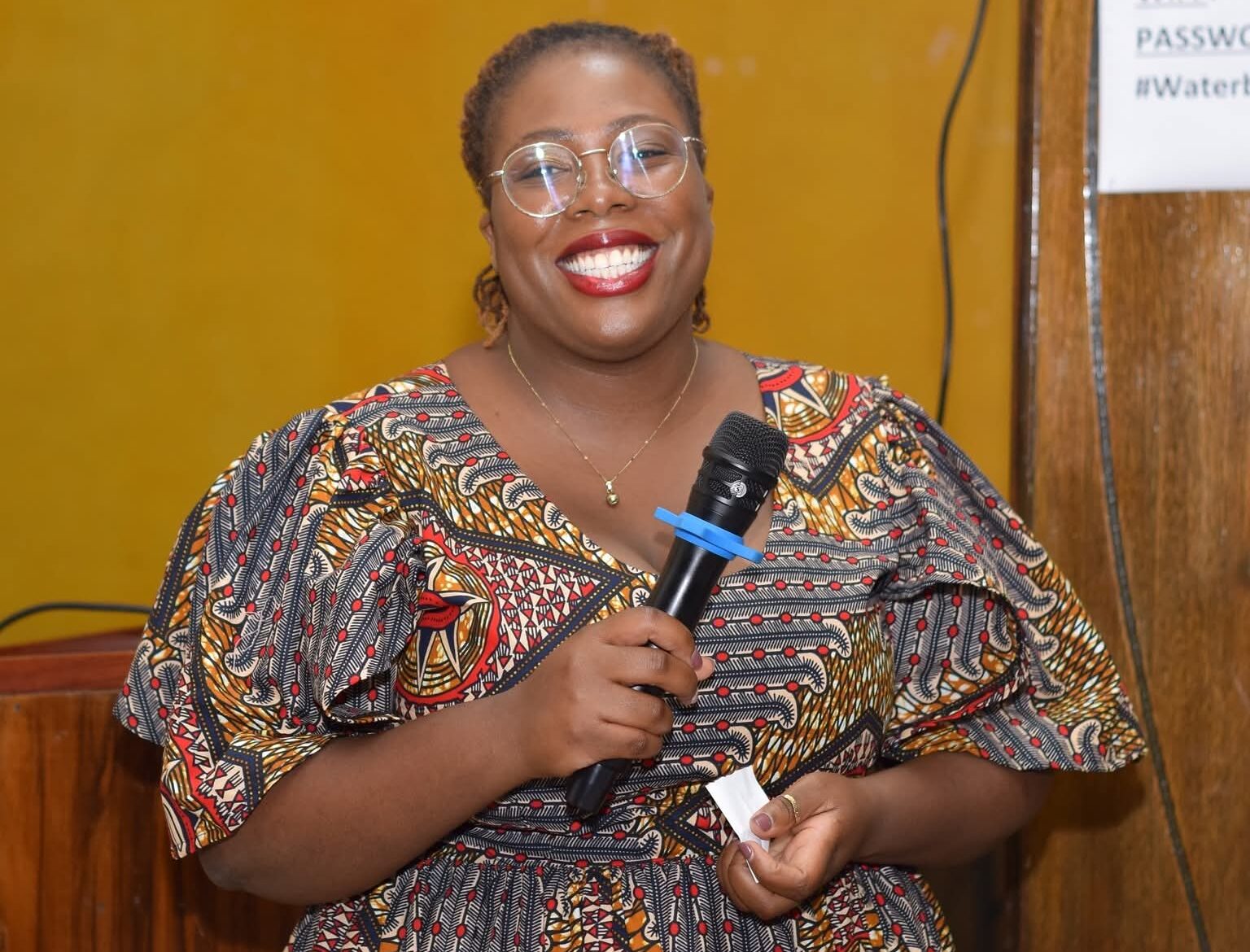
As an Associate Consultant at Dev-Afrique, I work across multiple projects to ensure our initiatives are visible, clear, and impactful. On a day-to-day basis, I create content for blogs and knowledge products, manage social media visibility for our projects, and coordinate communications across different initiatives. I also engage with stakeholders and support campaign planning, ensuring that the work we do is not only seen but also understood and connected to broader development goals.
How do you ensure that communication initiatives align with the broader business goals of your organisation?
Alignment starts with understanding both the technical aspects of the projects and the organisation’s strategic objectives. I work closely with project teams to ensure that communications accurately reflect the work being done and the goals we are aiming to achieve. For example, knowledge products, blogs, and proposal content are designed to highlight project impact, reinforce credibility, and support partnerships and business development. Every piece of communication is linked to the outcomes we want to achieve for the communities and stakeholders we serve.
What part of your job do you find most challenging, and why?
One of the most demanding aspects of my role is managing communications for multiple projects simultaneously. Each project has its own goals, technical details, and audiences, which requires careful planning to ensure messaging is clear, accurate, and engaging across the board. While this can be complex, I enjoy the challenge because it pushes me to think strategically, prioritise effectively, and find creative ways to showcase the impact of our initiatives.
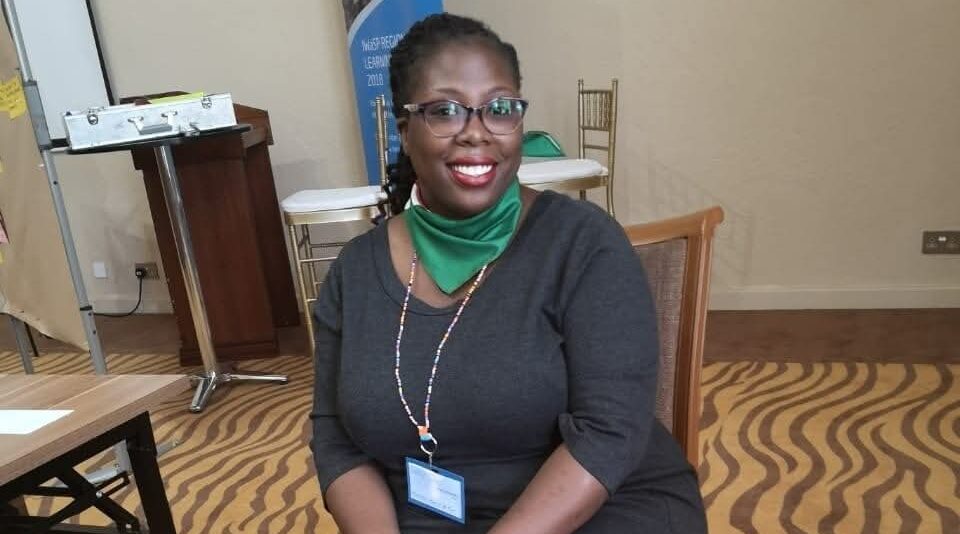
Looking back, what is one project or achievement you are particularly proud of in your career?
I worked on capacity needs assessments and capacity building for community-based organisations in Kenya, specifically Water Resources Users Associations (WRUAs). My work covered governance, lobbying, advocacy, communications, resource mobilisation, and proposal development. I engaged closely with women and young people, supporting them to take on leadership roles and become champions of water resources management.
Seeing these communities grow, take ownership of initiatives, and participate more actively in decision-making was incredibly rewarding. Being on the ground with end users and witnessing the real impact of development initiatives gave me a deeper appreciation for this work. Documenting their stories and successes was especially meaningful, as it allowed their voices and achievements to reach a wider audience.
What advice would you give to professionals on how to prepare for advisory roles?
My advice is to focus on building both technical knowledge and communication skills. Advisory roles require the ability to translate complex information into clear, actionable insights. Stay curious, seek mentorship, and learn how to engage stakeholders effectively. It is also important to understand how your work connects to broader goals. Communication is not just about visibility; it is about creating impact, sharing stories, and driving action that makes a difference.