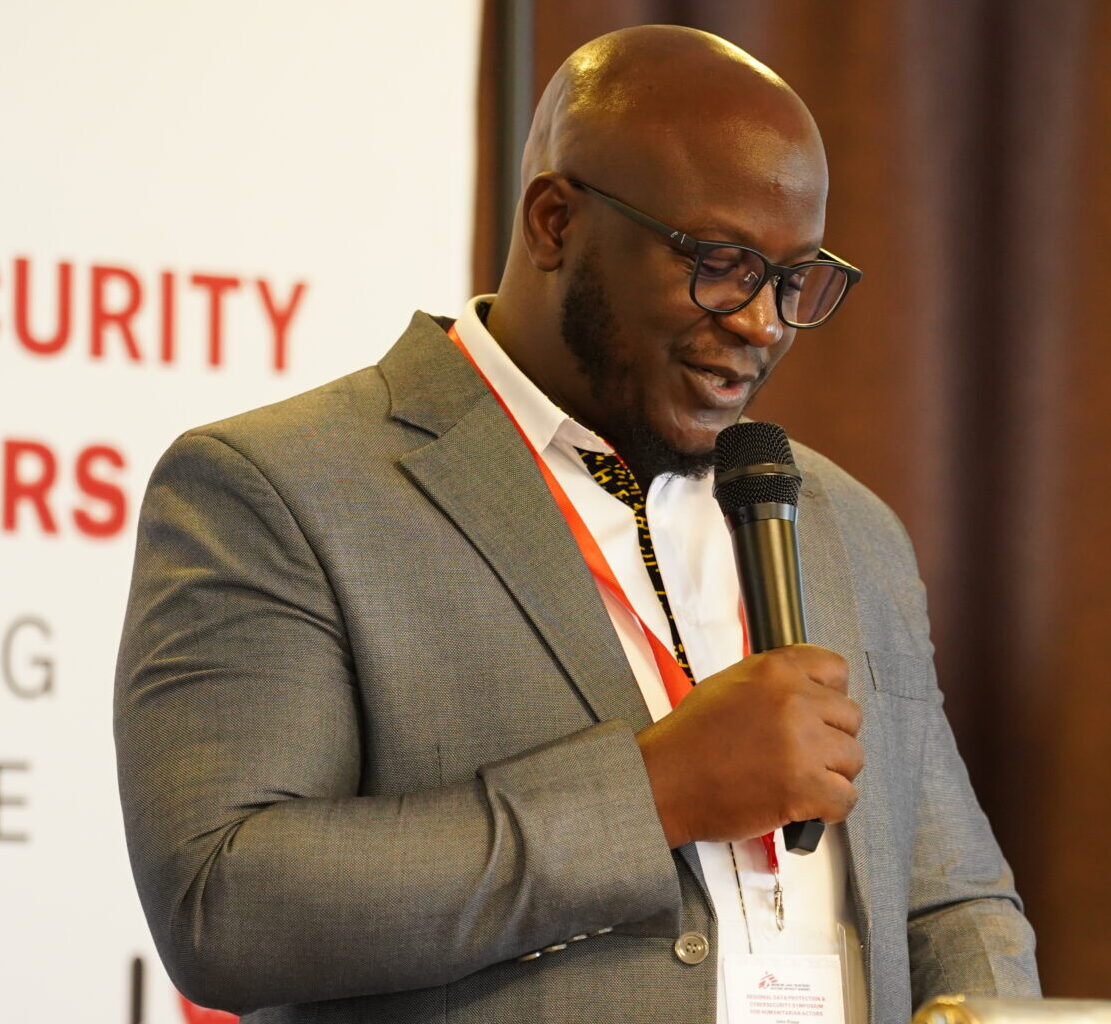
Today, we spotlight John Riaga, who manages media at Médecins Sans Frontières (MSF) Eastern Africa, where he oversees regional and international media engagement across multiple countries. John shares his professional journey, from early days in broadcast journalism to navigating high-stakes humanitarian communication, including how he approaches ethical storytelling, crisis moments, and the responsibility of telling the truth while protecting the dignity of communities.
How did you begin your career in Communications?
I knew I was built for this space from primary school. I never missed the 1 pm Swahili news every weekday, partly for the delivery of presenters like Edward Kadilo and Badi Muksin, and partly to stay up to date with current affairs. The late President Daniel arap Moi’s key statements were often issued during that bulletin.
There was a time when Moi was visiting Homa Bay town. I had heard about him so much in the news, and I decided that was the moment to put a face to the name. It ended badly for me, as I lost my pair of shoes and injured my toe.
My first role was as a news reporter with Royal Media Services, where I spent four years before pivoting to corporate communications. The Kenya Medical Research Institute/Centers for Disease Control (KEMRI/CDC) was my first step into this space, and since then, I have worked with various organisations in different capacities, including the Impact Research and Development Organisation (IRDO), a CSO network, the Centre for Intellectual Property and Technology Law (CIPIT), the Science Journalism Forum (SJF), and currently Médecins Sans Frontières (MSF) Eastern Africa.
Tell us about your role at Médecins Sans Frontières (Doctors Without Borders).
As the Media Manager for Eastern Africa, I oversee all regional and international media engagement for MSF across about 11 countries. This includes building collaborations and partnerships with media organisations and maintaining a strong understanding of the media landscape across the region.
I also manage visibility through news coverage, including organising media embeds into MSF programme sites and developing press materials, among other responsibilities.
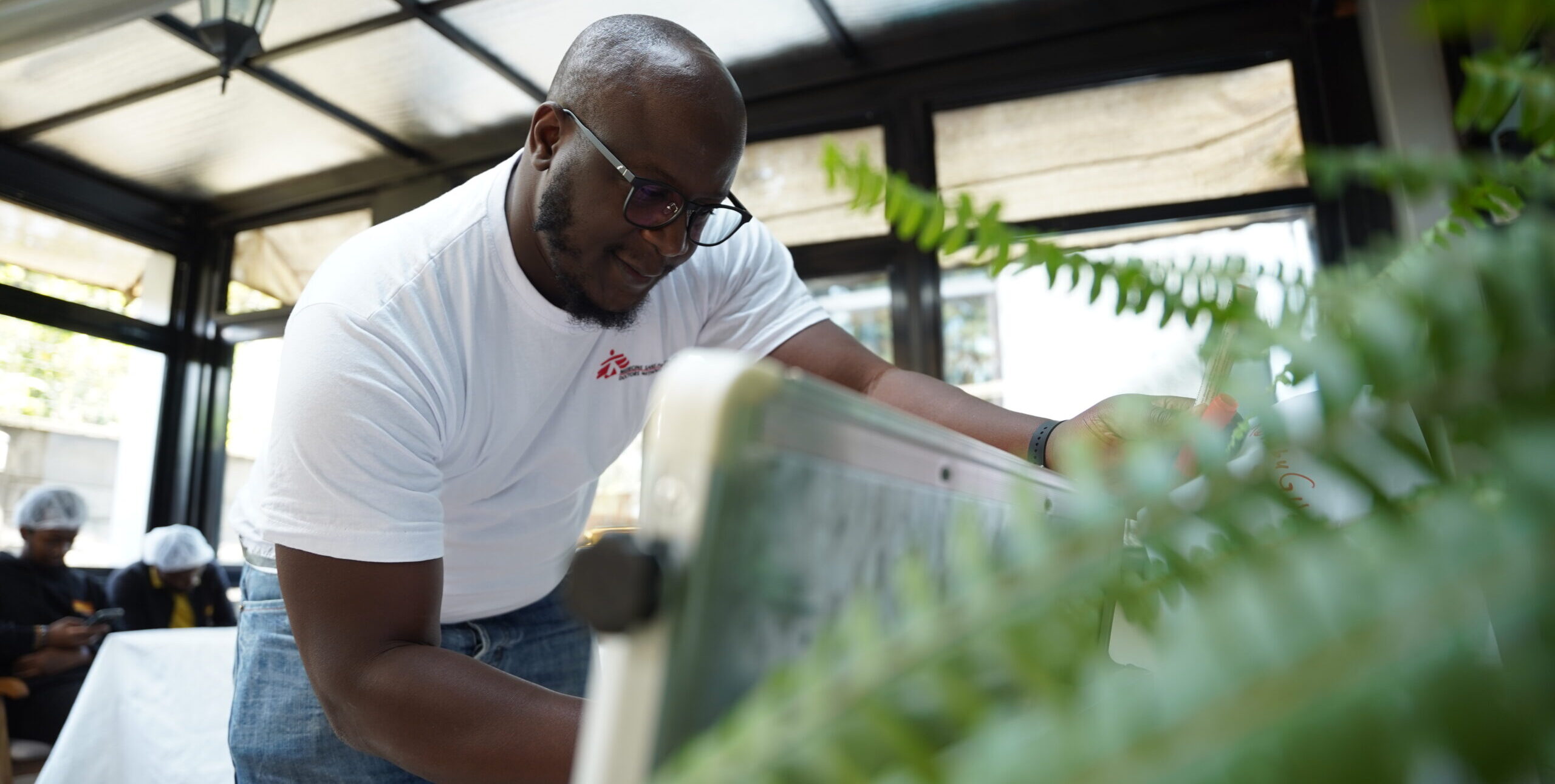
Humanitarian communication often involves sensitive or tragic situations. How do you balance telling the truth with respecting the dignity of those you help?
The dignity of the communities we serve outweighs our principle of speaking out, or what we refer to as ‘témoignage’. However, because we work closely with the media, and journalists are often seeking stories, we remain open and truthful.
We are guided by ethics and ensure informed consent whenever communities are placed in contact with the media. Another key consideration is that we only share information after carefully weighing the implications. We communicate when it is necessary and appropriate.
How do you ensure your messages reach the right audiences in areas with limited connectivity or high conflict?
MSF operates in over 70 countries worldwide, and messages emerge from different contexts. Working with the media requires sharing information that is relevant to specific audiences.
At times, we target national media within particular countries. In other instances, messages are designed for regional audiences. There are also cases where we engage international media, especially when the message is intended for global audiences such as donors and international bodies.
Each communication is therefore tailored across three levels: local, regional, and international.
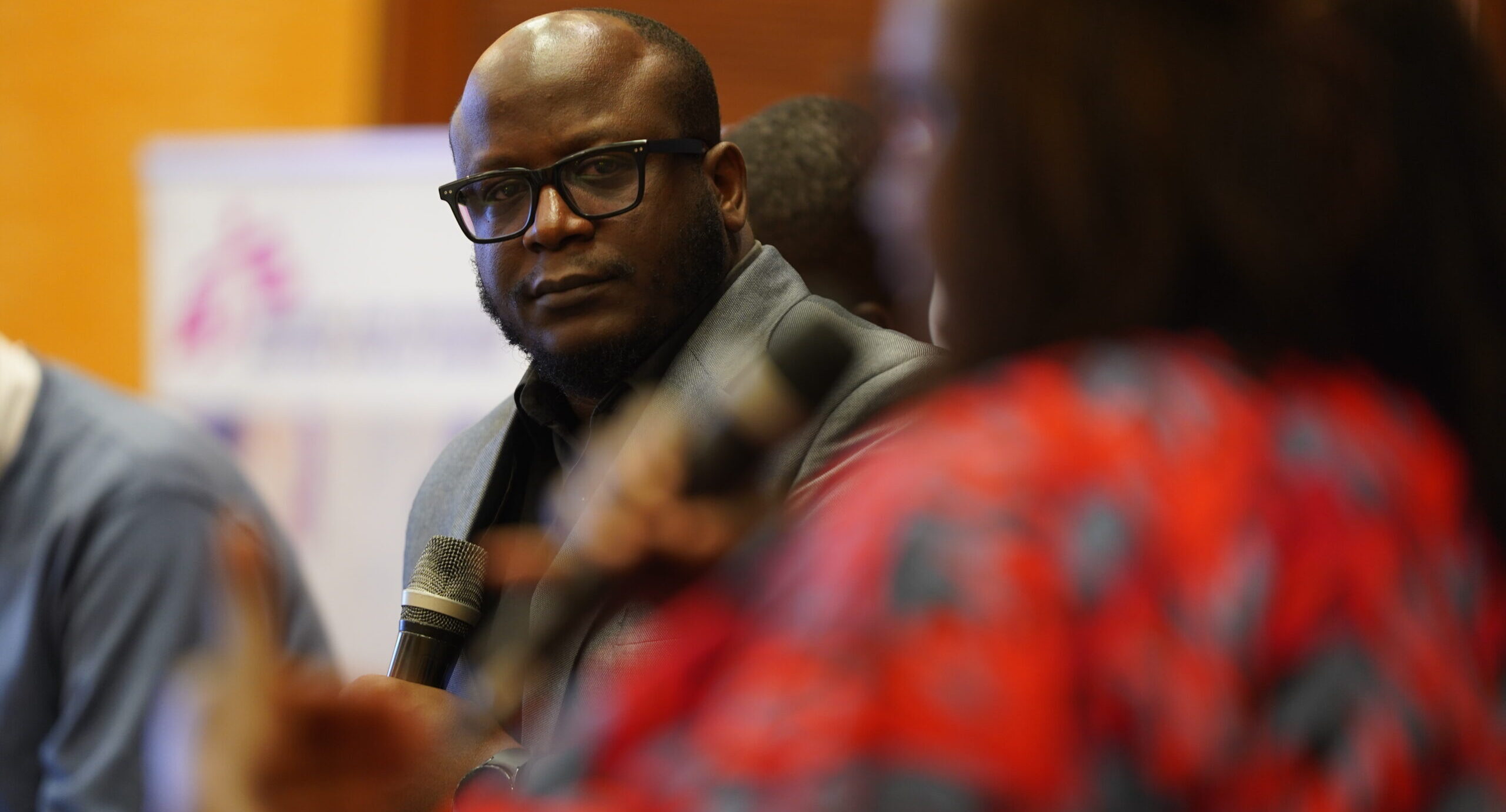
Please share how you managed a crisis or major challenge in your career.
Without going into detail, we faced a crisis that escalated to court proceedings. For my organisation, it was collateral damage, as we were affected despite not being culpable.
The biggest lesson for me was to remain grounded in truth, stay factual, and remain available for media enquiries. That is exactly what we did, and in the end, we maintained our credibility. As Ilhan Omar writes in This Is What America Looks Like, “I grew up knowing that hard things only get harder when you do not have real conversations about them.”
What’s one quote or piece of advice that has shaped your perspective on career growth or life in general?
It was Edward R. Murrow who said, “To be persuasive, we must be believable. To be believable, we must be credible. To be credible, we must be truthful.”
In my field, communication must always be truthful. From there, credibility and believability follow. Ultimately, it all comes down to trust.