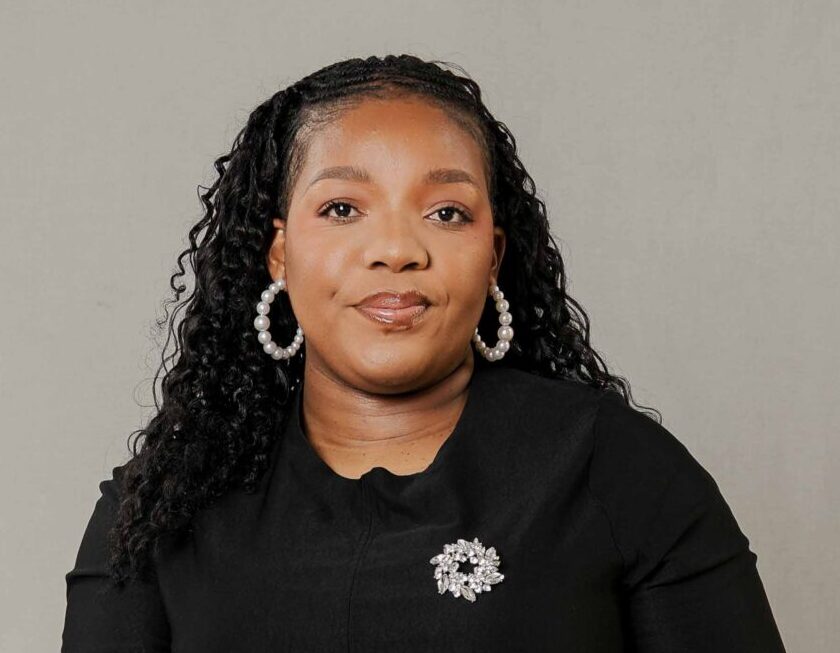
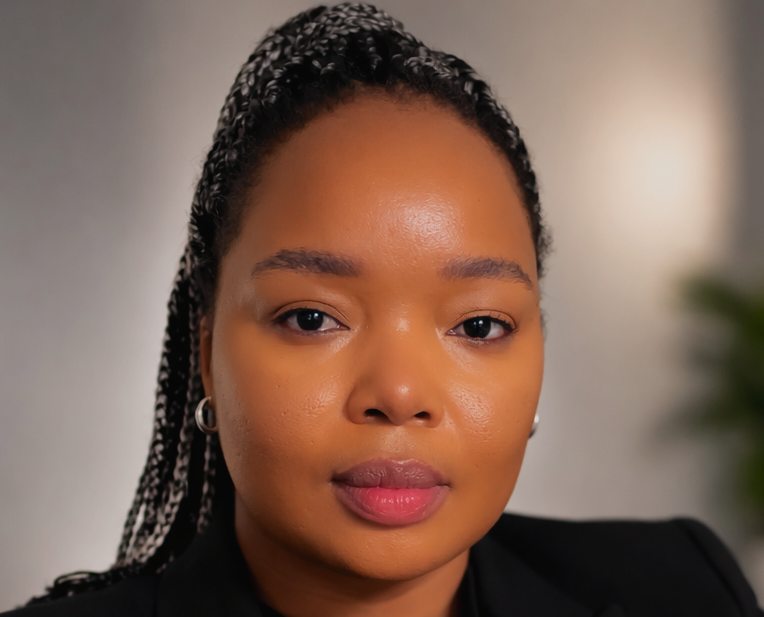
In this edition of the Comms Spotlight series, we feature Getrude Chigerwe, Co-Founder and Lead Consultant at Imara Communications Consultancy, a Zimbabwe-based consultancy helping organisations communicate more effectively through integrated communications solutions. Read about her journey, her experience with the United Nations, and the lessons she has learned building a career in development communications.
How did you begin your career in communications?
My journey into communications began shortly after completing Journalism and Media Studies. During my studies, I realised I was far more fascinated by the technical and creative processes behind news production than by being in front of the camera. I was drawn to the craft of storytelling: editing, scriptwriting, and the behind-the-scenes work that shapes how stories are told.
This interest led me to pursue another degree in Film and Television Production, where I gained hands-on experience in video editing, scriptwriting, production management, and content creation. At the same time, I became increasingly curious about the strategic and business side of the industry.
In my final semester, I came across a communications internship opportunity with UNDP Zimbabwe. I applied with the hope of gaining practical experience while awaiting graduation. A few months later, during the December holidays, I received an invitation to interview and was fortunate to secure the internship.
Joining the UNDP Zimbabwe communications team marked the beginning of my professional journey in communications.
What does your day-to-day role as Co-Founder and Lead Consultant at Imara Communications Consultancy involve?
As Co-Founder and Lead Consultant at Imara Communications Consultancy, my role is both strategic and operational. I work closely with clients to understand their communication needs, develop tailored strategies, and identify the most effective ways to reach and engage their audiences.
A core part of my work involves advising organisations on strategic communications, brand positioning, stakeholder engagement, media relations, and digital communications. I also oversee the development of communication products, from digital content and publications to reports, campaigns, and multimedia productions.
Beyond client delivery, I lead business development, partnership building, and quality assurance across the consultancy. This includes managing projects, coordinating with creative teams and consultants, and monitoring the impact of communication initiatives.
What I enjoy most is helping organisations tell their stories with clarity and purpose, amplify their impact, and connect meaningfully with the audiences they serve. Every project brings a new challenge, which makes the work both dynamic and rewarding.
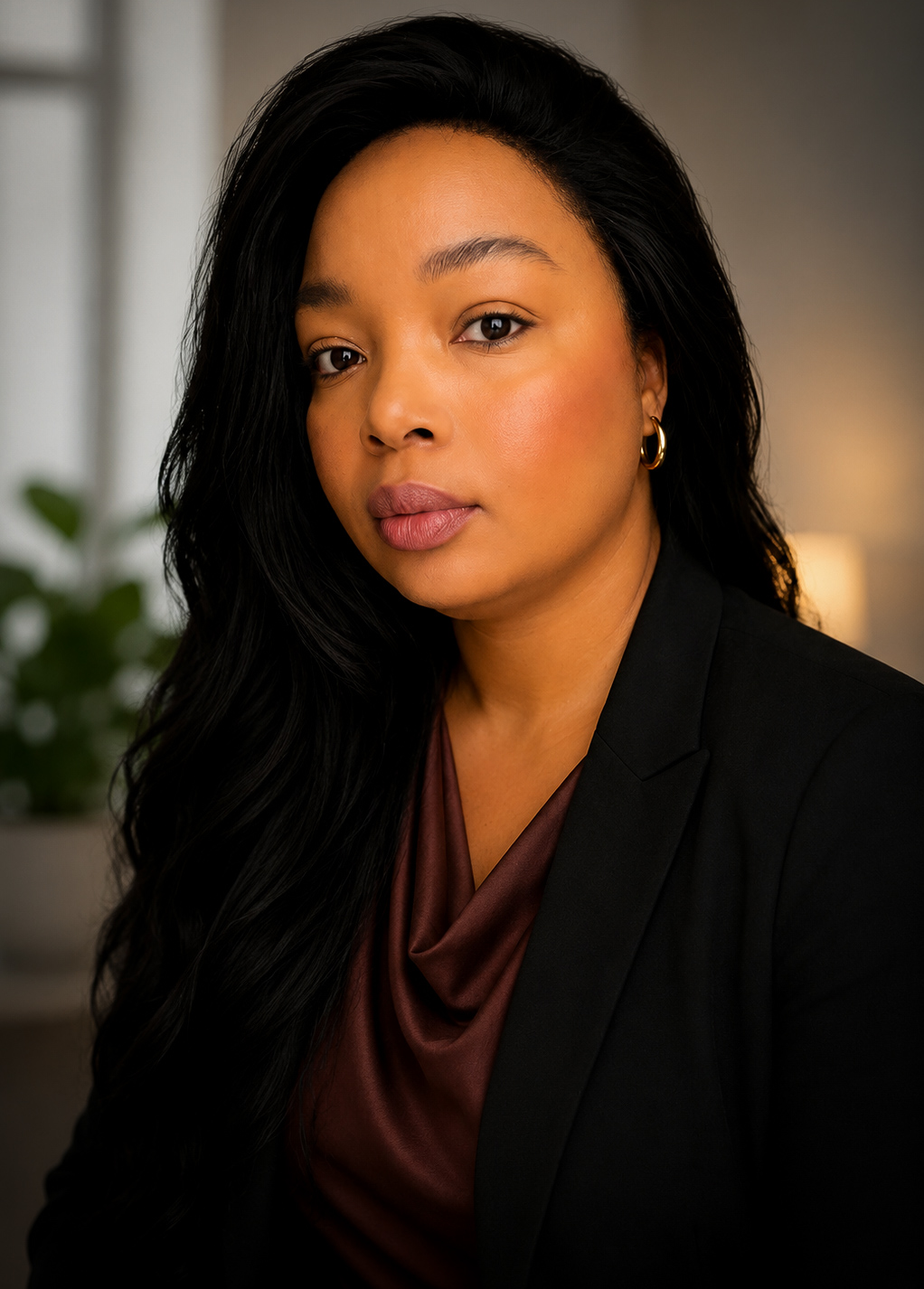
3. What are some of the most important lessons your experience with the United Nations has taught you about strategic communications?
My experience with the United Nations taught me that effective communication is not just about sharing information; it is about understanding the context, the situation, and the objectives before tailoring communication strategies accordingly.
Strategic planning is essential. Successful communication is intentional, aligned with organisational goals, and designed to support measurable outcomes. Every message, campaign, and communication product should contribute to a broader objective.
One of the most important lessons is that communication must be audience-centred. A message only has impact when it resonates with the people it is intended for.
Another key lesson is the power of storytelling. While data and policy are essential, human stories bring issues to life and help audiences connect with them on a deeper level.
Working across diverse stakeholders reinforced the importance of collaboration, adaptability, and cultural sensitivity. Communications professionals must navigate complex environments, engage varied audiences, and respond to emerging issues while maintaining credibility and consistency.
Media engagement and relations are equally important because they help amplify an organisation’s work, increase public awareness, and build trust with stakeholders. The United Nations relies on the media as a key partner to communicate development results, humanitarian responses, policy priorities, and advocacy messages to a wide audience.
Above all, my experience with the United Nations showed me that strategic communications is a powerful tool for advancing social change, influencing policy, and amplifying community voices.
What gap did you identify that led to the creation of Imara Communications Consultancy?
During my time with the United Nations, I noticed that organisations often sourced communications services from multiple providers simultaneously. While this approach delivered results, it frequently created inefficiencies, from procurement and coordination to production and delivery.
Managing several vendors for a single communications objective often resulted in duplicated effort, inconsistent quality, delayed outputs, and the constant need to establish new supplier relationships. Over time, this became both time-consuming and resource-intensive.
I recognised an opportunity to create a more streamlined, integrated model. Imara Communications Consultancy was established to bridge this gap by offering comprehensive communications services under one roof. Our approach combines strategy, content creation, multimedia production, branding, digital communications, and stakeholder engagement into a single, coordinated offering.
Our goal is simple: to make communications more efficient, cohesive, and impactful by providing organisations with end-to-end solutions through one trusted partner.
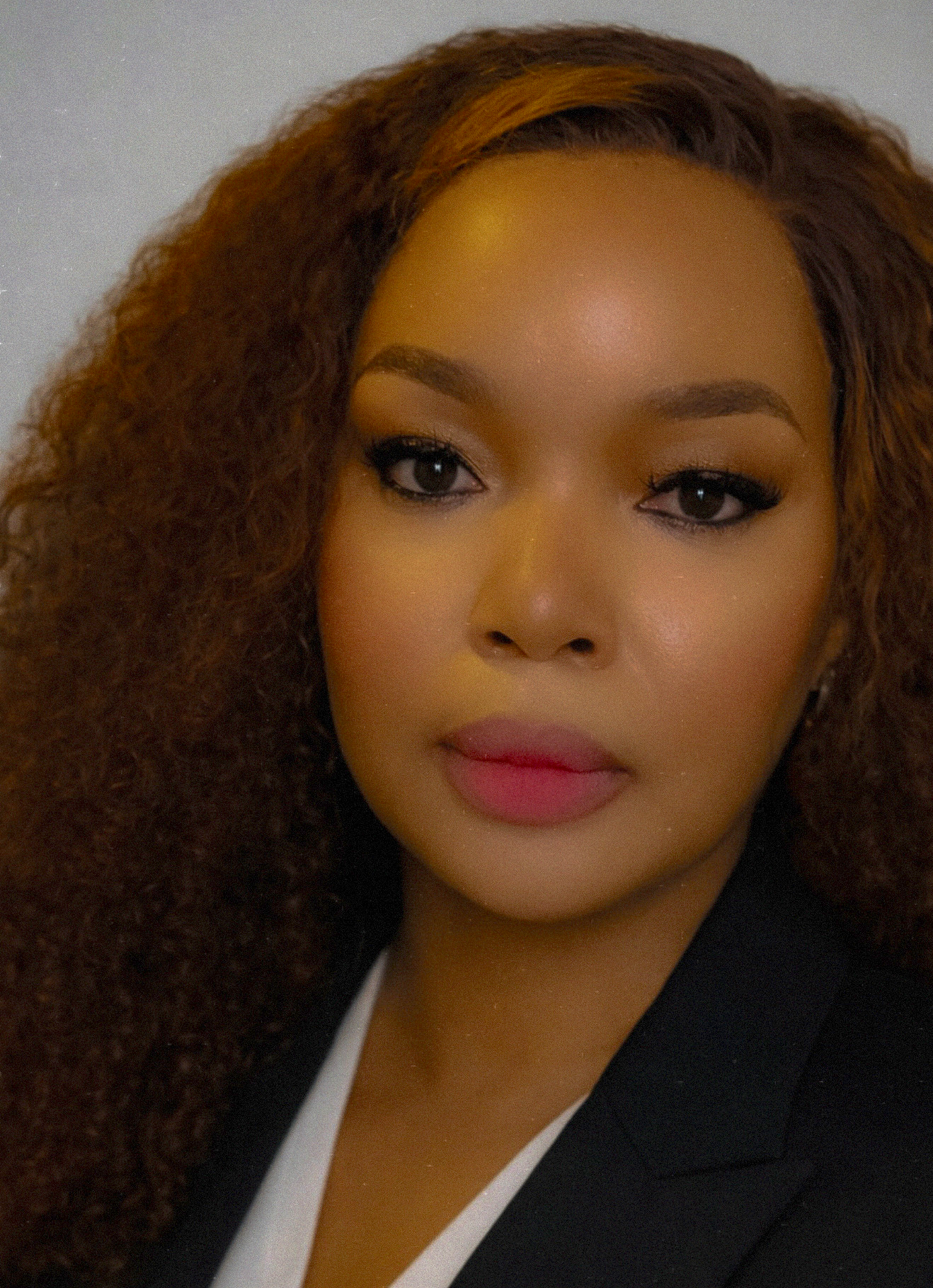
For communications professionals interested in working within the United Nations or other international organisations, what skills or qualities are most valuable?
For communications professionals aspiring to work with the United Nations or other international organisations, several skills and qualities are particularly valuable.
Strong writing and storytelling skills are essential. Communications professionals must be able to translate complex policy or programme information into clear, compelling content for diverse audiences, from government officials and donors to communities and the general public.
Strategic thinking is equally important. Communications should support broader organisational objectives such as advocacy, resource mobilisation, policy influence, and behaviour change.
Stakeholder engagement and relationship-building are also critical. Communications professionals interact with governments, development partners, the media, civil society organisations, and communities, making the ability to build trust an invaluable skill.
Digital and multimedia competencies, including social media management, content creation, photography, videography, graphic design, and analytics, have become increasingly important for reaching wider audiences and demonstrating impact.
Equally vital are cultural sensitivity, adaptability, and political awareness. International organisations operate in diverse, often complex environments, and communications professionals must be able to navigate these dynamics thoughtfully.
Finally, the most successful professionals bring curiosity, integrity, empathy, and a commitment to development values. Technical skills can be learned, but these qualities consistently distinguish outstanding communicators.
Is there a book that has significantly influenced your career which you would recommend to other communications professionals?
Rather than a book, one resource that has significantly shaped my approach to communications is UNICEF’s Communication for Development (C4D) framework and training materials.
The framework emphasises participatory communication, behaviour change, social mobilisation, and community engagement, all of which are essential for achieving sustainable development outcomes. What I find most valuable is its focus on understanding audiences, listening to communities, and designing communication strategies that go beyond raising awareness to inspire meaningful action.
These principles have influenced how I approach strategic communications, advocacy campaigns, stakeholder engagement, and the development of communication products.
For communications professionals interested in the United Nations or the broader development sector, I highly recommend exploring UNICEF’s C4D resources. They offer practical, evidence-based approaches that are people-centred, culturally sensitive, and results-oriented. This makes them highly relevant to both development and humanitarian contexts.
The course is available to anyone interested at https://agora.unicef.org.