

Meet Ruth Dero, Deputy Director, Corporate Communications, National Syndemic Diseases Control Council (NSDCC). In this edition of The Comms Spotlight, Ruth shares her professional journey, lessons from public health communication and why she believes communication is one of the most powerful tools for national development.
What inspired you to pursue a career in communications and what led you into health communications?
I have always believed that communication is one of the most powerful catalysts for positive change. Throughout my career, I have seen how the right message, delivered strategically and authentically, can transform perceptions, influence behaviour, strengthen institutions and ultimately improve people’s lives.
My passion for communication stems from a simple conviction; that every policy, programme or innovation can only achieve its intended impact when people understand it, trust it and feel empowered to act upon it. Communication is therefore much more than disseminating information; it is about creating understanding, building relationships and inspiring collective action.
My professional journey has been shaped by diverse experiences across the public sector. I began my career in the Ministry responsible for Labour, where I supported communication around industrial training and workforce development. Later, at the Commission for University Education, I played a role in communicating higher education reforms, quality assurance and institutional accreditation. Those experiences taught me that strategic communication is an indispensable enabler of national development because it connects citizens with opportunities, policies and public services.
Joining the National Syndemic Diseases Control Council (NSDCC) later was therefore a natural progression. Health communication carries a unique responsibility because the messages we communicate have the potential to save lives. At NSDCC, I have the privilege of leading strategic communication initiatives that translate complex public health policies into clear, relatable and actionable messages for communities, policymakers, development partners and the media.
Working in this space has reaffirmed my belief that communication is not simply a support function. It is a strategic management tool that shapes public trust, influences policy implementation and drives sustainable behaviour change.
What does a typical day look like in your role in Corporate Communications at the National Syndemic Diseases Control Council?
No two days are ever the same and that is what makes the role both exciting and fulfilling.
Every morning begins with monitoring the media landscape, reviewing public conversations and analysing emerging issues that could influence the Council’s work or public understanding of syndemic diseases. Strategic communication requires staying ahead of the information environment so that institutions remain responsive, transparent and credible.
Much of my day involves working closely with technical experts to translate scientific data and policy information into language that ordinary citizens can understand and act upon. Whether communicating about HIV prevention, tuberculosis, malaria or broader syndemic responses, our responsibility is to make evidence accessible without compromising scientific accuracy.
Beyond media engagement, I oversee strategic communication planning, stakeholder engagement, digital communication, advocacy campaigns, crisis communication, executive communication and public awareness initiatives. I also work closely with county governments, development partners, civil society organisations, the media and community leaders to ensure our communication strategies are coordinated, inclusive and impactful.
Increasingly, my role also involves providing strategic advisory to the Management and Commission Board because communication today is integral to organisational decision-making. I firmly believe communication should never be treated as an afterthought; it must be embedded from the outset of programme planning to support implementation, accountability and public confidence.
How do you communicate complex public health issues in ways that people can easily understand and act upon?
My guiding philosophy is simple; communicate with people, not at them.
People only change behaviour when information is relevant, relatable and trustworthy. That means understanding the audience before developing the message. I seek to understand who they are, what influences their decisions, the barriers they face and the communication channels they trust most.
At NSDCC, we deliberately simplify technical language without oversimplifying the science. Our focus is on people-centred communication that empowers communities to make informed decisions.
One example is the Triple Threat Campaign, which addresses three interconnected challenges affecting adolescent girls and young women suffering new HIV infections, adolescent pregnancies and sexual and gender-based violence. Rather than treating these as separate issues, we communicate them as interconnected realities requiring integrated solutions. This holistic approach helps communities understand the broader social context and encourages coordinated action.
We also recognise that no single communication channel reaches everyone. Our strategies therefore combine community engagement, traditional media, digital platforms, social media, youth champions, influencers, faith leaders and grassroots organisations to ensure messages reach people where they are.
Ultimately, I believe that effective public health communication is built on trust. It requires listening as much as pushing messages and creating opportunities for dialogue that enable communities to become active participants rather than passive recipients of information.
Can you share a communications initiative that you’re especially proud to have been part of?
One initiative that stands out is leading the National strategic communication component of World AIDS Day 2025, shortly after joining the National Syndemic Diseases Control Council.
The campaign presented an opportunity to demonstrate how strategic communication can unify diverse stakeholders behind a common national goal. I worked closely with technical teams and partners to develop and implement an integrated communication and media strategy that ensured message consistency, strong stakeholder engagement and nationwide visibility.
Among the campaign’s highlights was the World AIDS Day 2025 Half Marathon, which transformed a sporting event into a national platform for education, advocacy and community mobilisation. Beyond encouraging participation, the campaign sought to reduce stigma, promote HIV prevention, encourage healthy behaviours and showcase the collective efforts of government, development partners, civil society and communities in strengthening Kenya’s HIV response.
Through a strategic mix of storytelling, coordinated media engagement, digital campaigns and stakeholder partnerships, we exceeded participation targets and reached millions of Kenyans through mainstream, community and digital media.
For me, the campaign reinforced an important lesson: when communication is evidence-based, strategically aligned and people-centred, it becomes far more than awareness creation. It becomes a catalyst for behaviour change, partnership building and lasting social impact.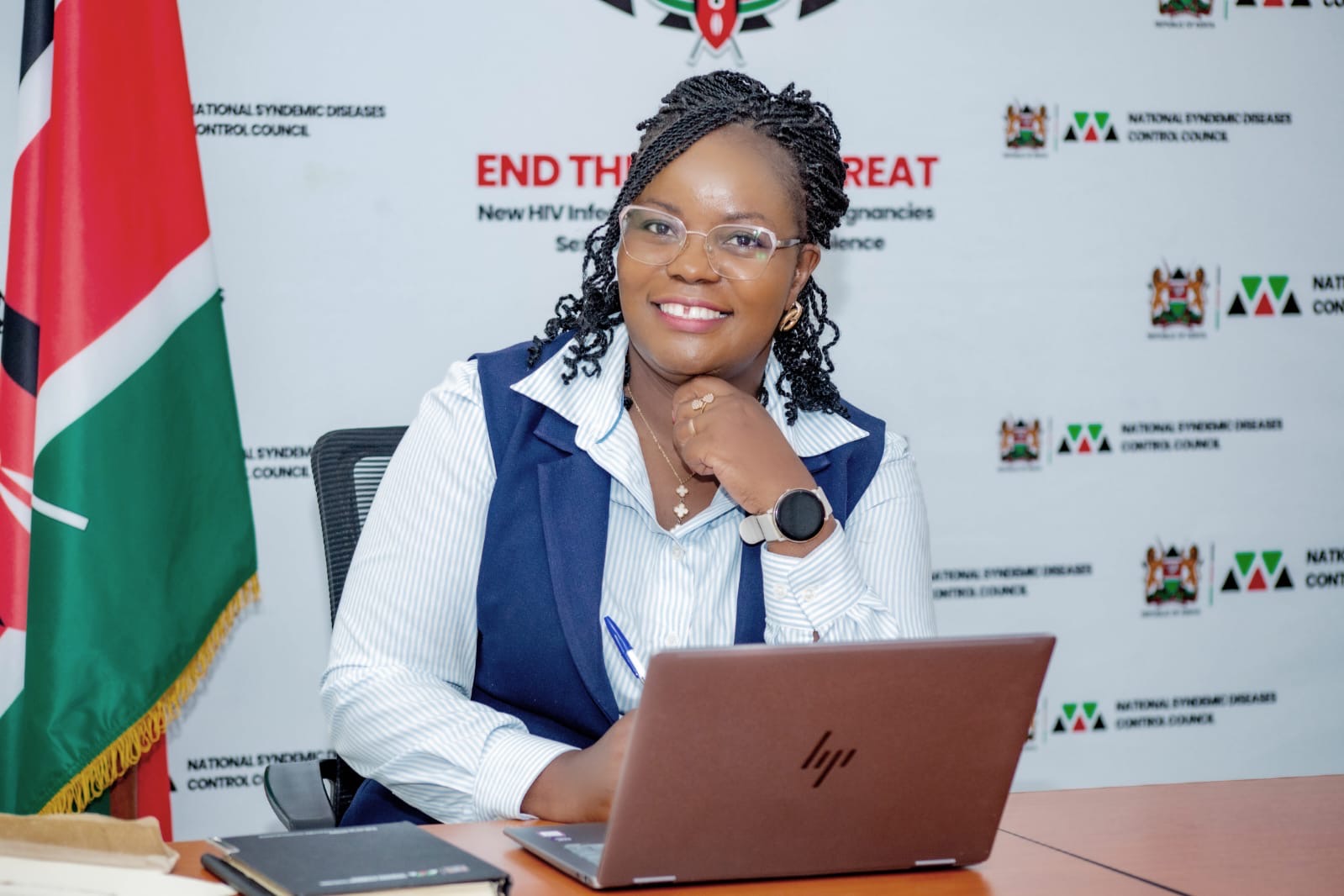
What has working in the public health sector taught you about the role of strategic communications?
Working in public health has fundamentally reinforced my understanding that communication influences outcomes.
The success of health interventions depends not only on scientific evidence but also on public understanding, trust and participation. Strategic communication supports policy implementation, strengthens partnerships, combats misinformation and empowers individuals to make informed decisions about their health.
It has also taught me the importance of listening. The most effective communication strategies are informed by evidence, community feedback and continuous stakeholder engagement. Communication should never be one-directional. It must create meaningful conversations that help institutions understand the realities communities face.
Perhaps the greatest lesson is that communication deserves a seat at the decision-making table. When integrated into programme design from the beginning, communication becomes a strategic driver of social and behavioural change rather than simply a channel for disseminating information after decisions have already been made.
What advice would you give to communications professionals interested in building a career in health communications?
First, never stop learning. Health communication is dynamic and constantly evolving. Communication professionals must continuously build their understanding of public health, behavioural science, data, digital communication and emerging trends.
Second, remember that people are always at the centre of every message. Effective communication is rooted in empathy, credibility, integrity and respect. Our responsibility is not only to inform but also to inspire confidence and empower people to make informed decisions.
Third, position yourself as a strategic advisor rather than simply a content creator. Communication professionals should contribute meaningfully to organisational strategy, leadership decision-making, stakeholder engagement and policy implementation.
Fourth, invest in relationships and mentorship. Throughout my career, I have benefited immensely from mentors and I strongly believe we each have a responsibility to mentor others. Strong professions are built when experienced practitioners intentionally create opportunities for emerging talent to grow and succeed.
Finally, embrace collaboration. The most impactful communication campaigns are rarely the work of one individual or institution. They are built through partnerships between technical experts, government, communities, development partners, academia and the media. When communication is evidence-based, audience-centred and strategically aligned, it becomes one of the most powerful instruments for transforming lives and advancing national development.