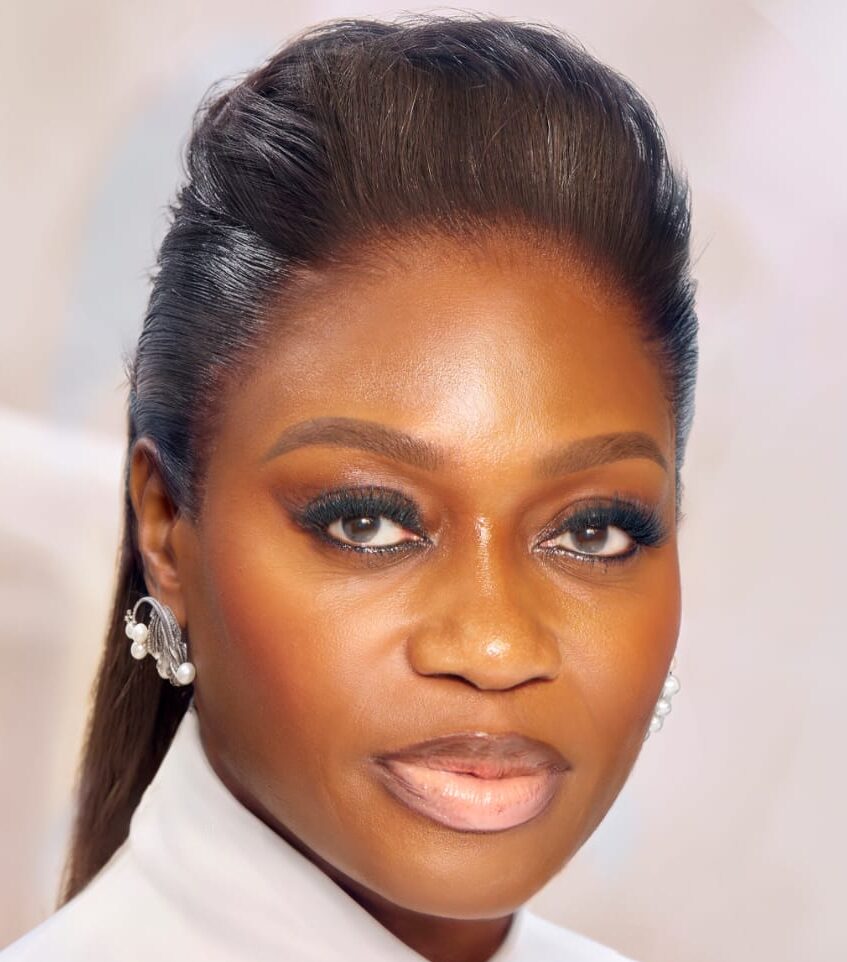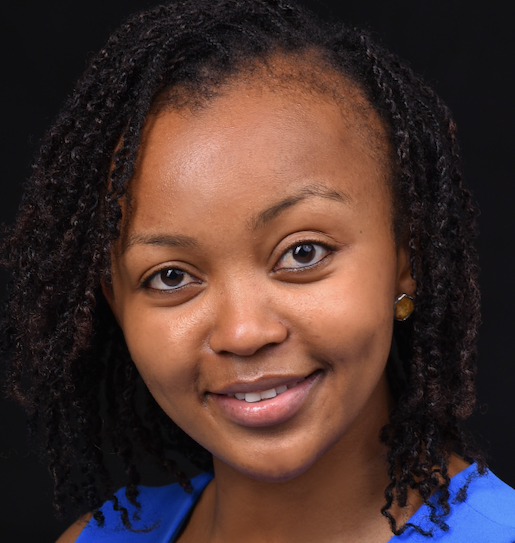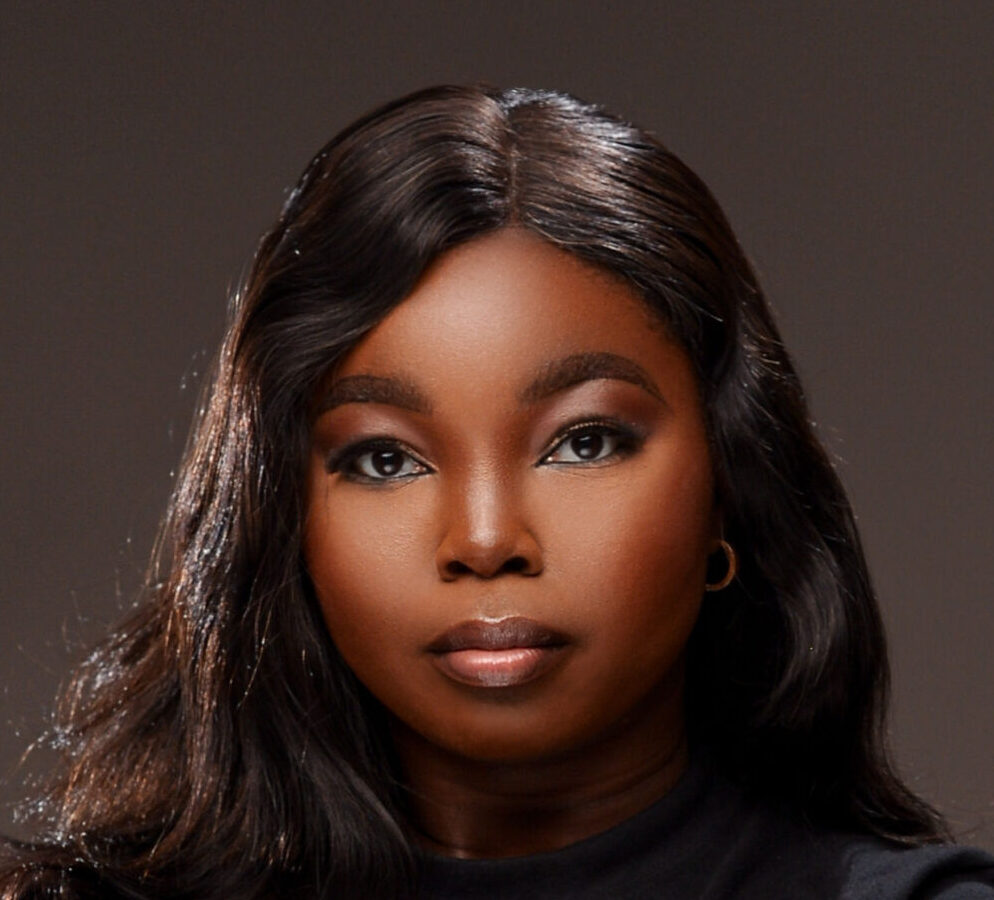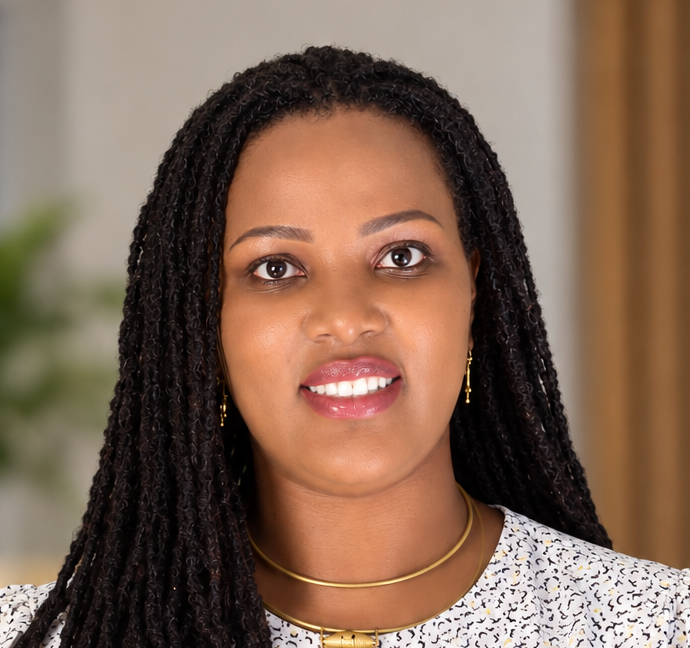
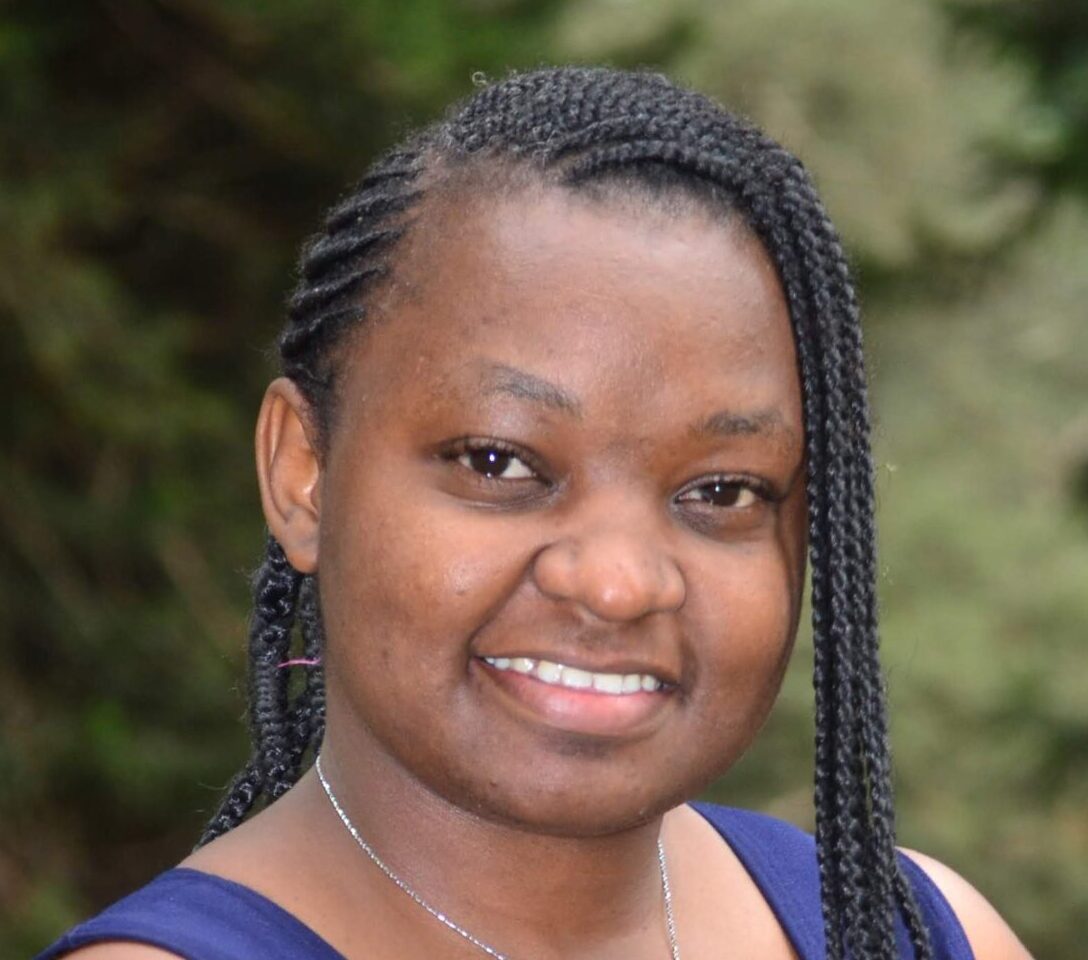
In this edition of the Comms Spotlight, Winnifred Akiso, Communications Specialist and Lead Communications Focal Point at the Nairobi Convention Secretariat, United Nations Environment Programme (UNEP), shares how she communicates complex environmental issues in a way that people can understand and connect with. From working with diverse audiences to translating science into clear, meaningful stories that inspire action, she offers valuable tips for communications professionals at every stage of their careers.
What inspired you to pursue a career in Communications?
I’ve always been fascinated by the power of stories to connect people and inspire action. Early in my career, I realised that communication isn’t just about sharing information. It’s about making complex issues understandable, relatable, and meaningful.
Today, I work with the United Nations Environment Programme (UNEP) through the Nairobi Convention Secretariat, where I support strategic communications on ocean governance, marine conservation, and the sustainable blue economy across the Western Indian Ocean. My work allows me to communicate with a diverse range of audiences, including governments, development partners, regional organisations, scientists, academia, civil society, the private sector, the media, and coastal communities. Each audience requires a different approach, but the goal remains the same: to communicate in a way that informs, inspires, and encourages action.
Knowing that my work helps bridge the gap between science, policy, and the public, and contributes to protecting our oceans for future generations, is what continues to motivate me every day.
What does a typical day look like for you as a Communications Specialist?
No two days are ever the same, and that’s one of the things I enjoy most about communications.
As part of the United Nations Environment Programme (UNEP), I support communications for regional environmental initiatives involving multiple countries and partners across the Western Indian Ocean. On any given day, I could be developing communication strategies, drafting press releases, writing feature stories, managing social media campaigns, coordinating media engagement, designing communication materials, photographing events, producing videos, updating websites, or supporting high-level regional meetings and conferences.
A significant part of my role involves translating complex scientific and policy information into content that is clear, engaging, and accessible to different audiences, from ministers and government officials to local communities and young people. It’s incredibly rewarding to know that effective communication can help shape conversations, strengthen partnerships, and drive action on environmental issues.
Communications is a blend of creativity, strategy, and problem-solving, and every day presents a new opportunity to learn something new.
What’s the biggest challenge you’ve faced in your career journey, and how did you handle it?
One of the biggest challenges has been balancing multiple high-profile projects with tight deadlines while maintaining quality. Large international conferences and regional meetings often require the simultaneous management of media relations, branding, digital communications, photography, stakeholder engagement, and real-time content production.
I’ve learned that success comes from careful planning, staying organised, communicating proactively with colleagues, and remaining adaptable when priorities change. I’ve also discovered that asking questions, collaborating with others, and continuously improving my skills are strengths rather than weaknesses.
What areas of expertise have you prioritised developing throughout your career, and why?
I’ve focused on developing expertise in strategic communications, digital communications, social media management, content creation, visual storytelling, photography, branding, media relations, and event communications.
Working in an international and multicultural environment has also taught me the importance of stakeholder engagement and audience-centred communication. Whether communicating with policymakers, technical experts, donors, journalists, or the general public, understanding your audience is essential for creating messages that resonate and inspire action.
The communications landscape is constantly evolving, so I also invest time in learning new digital tools, design software, and emerging communication trends. Having a diverse skill set allows me to support communication efforts from strategy through to implementation while ensuring that messages reach audiences effectively across different platforms.
What tools or platforms do you rely on most in your day-to-day work?
I regularly use Canva and Adobe Creative Suite for design, Adobe Premiere Pro for video editing, WordPress and Drupal for website management, and Microsoft 365 for collaboration and planning. I also rely heavily on LinkedIn, X, Facebook, Instagram, and analytics tools to create, monitor, and evaluate digital campaigns.
Beyond technology, one of the most valuable tools I rely on is building strong relationships with colleagues, partners, and stakeholders. Good communication always starts with listening.
What book are you currently reading or would you recommend to young communications professionals? And why?
One book I highly recommend is Made to Stick by Chip Heath and Dan Heath.
The book explores why some ideas are memorable while others are quickly forgotten. It offers practical lessons on crafting messages that are simple, credible, emotional, and impactful, skills that are essential for anyone working in communications. It’s a reminder that great communication isn’t about saying more. It’s about making your message meaningful and memorable.
Final advice to young communications professionals
Stay curious, keep learning, and don’t be afraid to step outside your comfort zone. Communications is a dynamic profession that blends creativity, strategy, technology, and human connection. Every project, challenge, and interaction is an opportunity to grow.
Most importantly, remember that effective communication is about people. Whether you’re speaking to government leaders, scientists, journalists, local communities, or young people, your ability to understand your audience and tell authentic stories can influence decisions, build trust, and create lasting impact.