
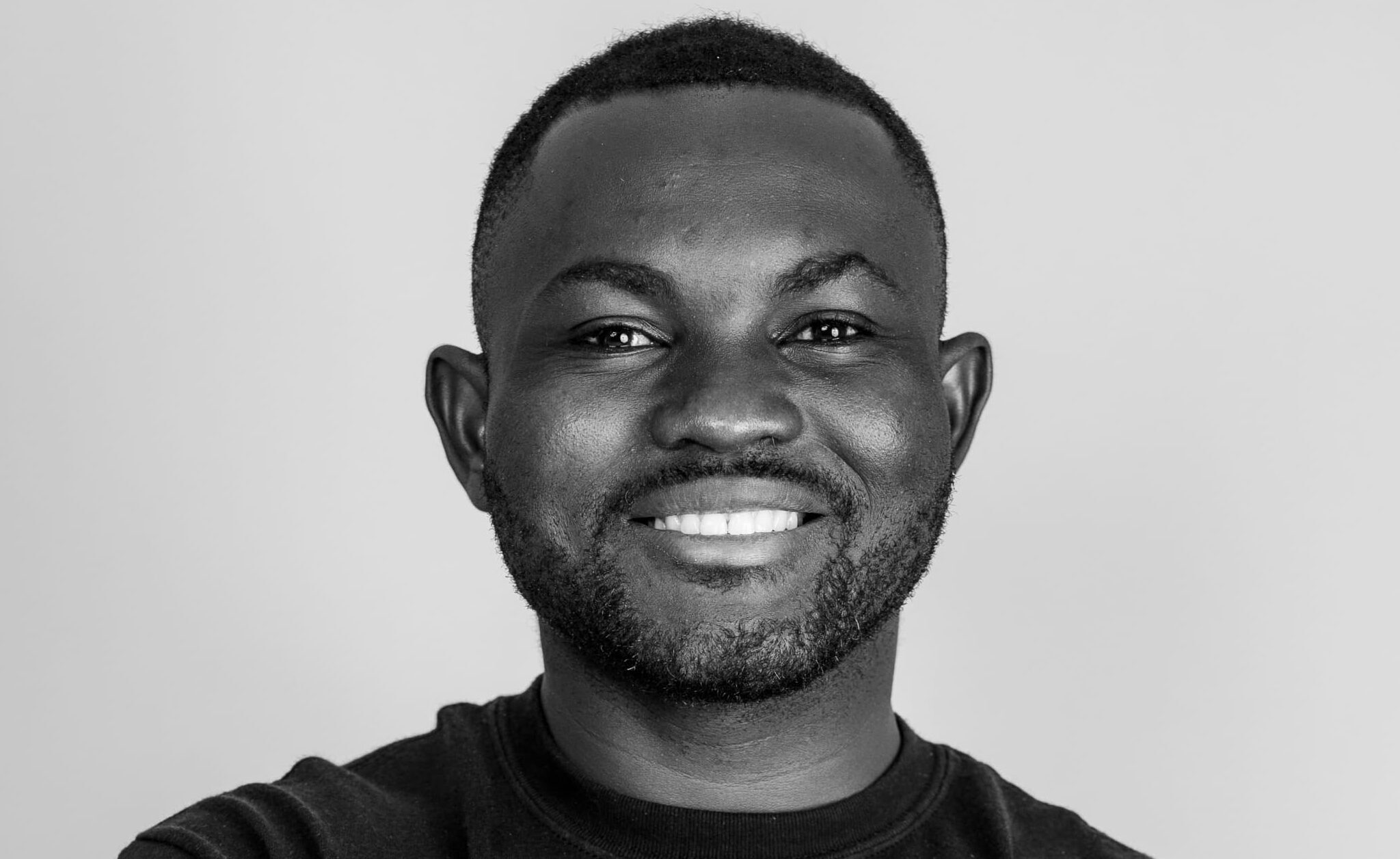
Meet Samuel Lamptey, Founder of Infoni Media, where he leads a team of creatives to script, craft, and produce development, impact, and behavioural change communication documentaries for government and international organisations. Samuel began his career by volunteering his skills to non-profits. Today, over a decade later, he has become a trusted voice in documenting impact stories and realities across Africa. In this interview, he shares how filmmaking became a tool for capturing change, the realities of working across diverse communities, and his commitment to telling stories that drive real social impact.
How did you start your career in communications, and how have you grown over the years?
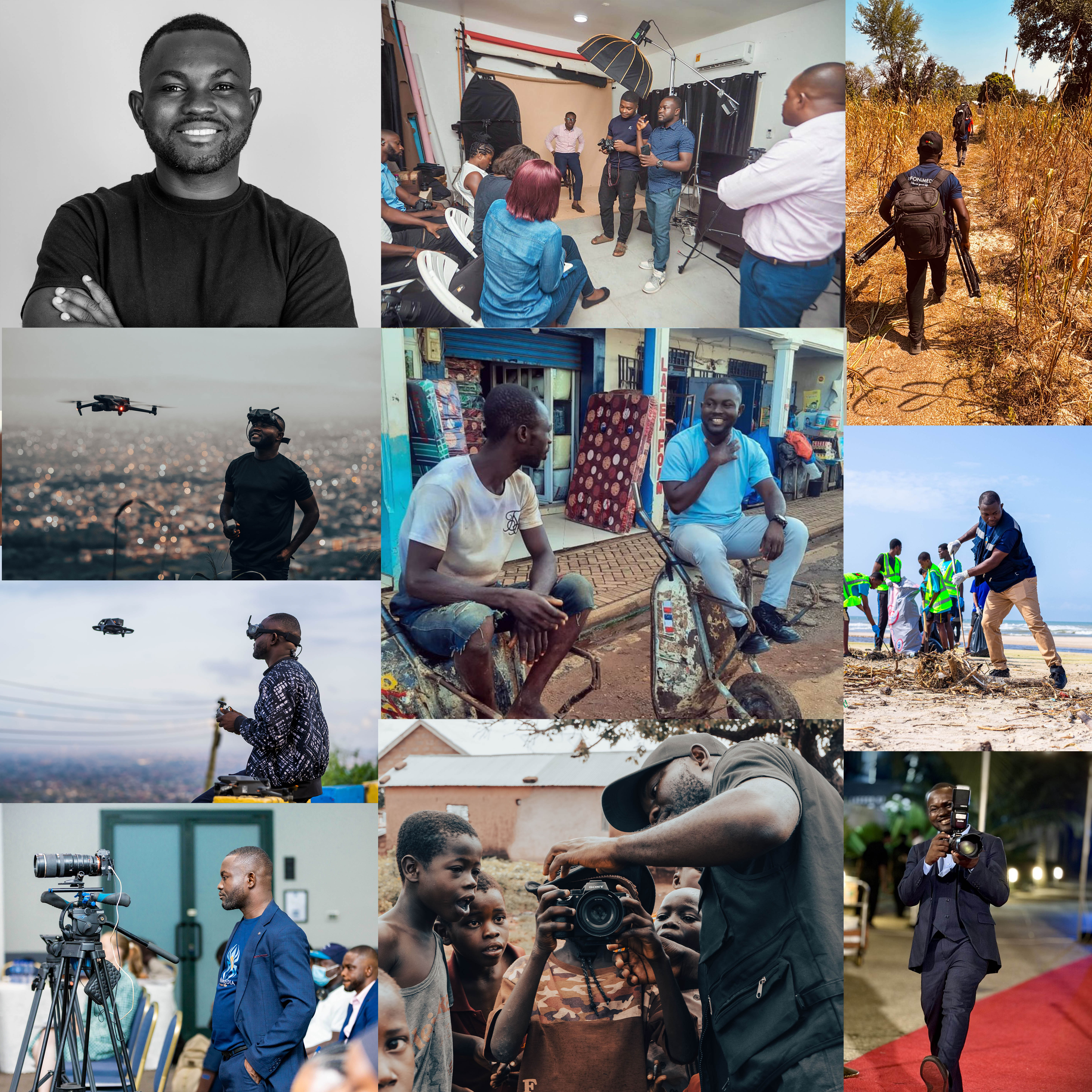
I started my career by reaching out to organisations to volunteer my services in multimedia, including video, photography, and graphic design. I also documented their CSR and implemented projects while I was in my final year at film school.
With time, I became the go-to media service provider for most of the NGOs and organisations I volunteered with. Because many of these organisations were non-profits, I developed a strong interest in documenting their impact and telling project stories. This has been my niche and area of practice for the past ten years.
From volunteering as a photographer and graphic designer, and after completing my MA in Development Communication, I now script, direct, and produce documentaries and social change stories, particularly within the development space.
Currently, I lead a team of creatives to script, craft, and produce development, impact, and behavioural change communication documentaries for government and international organisations such as the World Bank, GIZ, ActionAid, IITA, The Hunger Project, and SNV, supporting donor reporting, impact assessments, and midline and endline evaluations in Ghana.
As Team Lead at Infoni Media, what does your day-to-day work routine look like?
A typical day involves project planning, coordinating production teams, engaging with clients and partners, reviewing scripts and edits, and ensuring that project goals are met. I also ensure that value is delivered to clients within budget, time, and scope.
Tell us about a project or documentary that challenged you professionally and how you saw it through to completion.
One of the most challenging projects I worked on involved navigating a highly complex language barrier. I had to direct non-professional rural community members to act in a behavioural change drama aimed at educating a community on the effects of open defecation, using their local language. They did not understand my language, and I did not understand theirs.
To manage this, I worked with several third parties, including translators and intermediaries, to communicate my vision and ensure the intended message was accurately conveyed. The process was time-consuming, but through a series of rehearsals, demonstrations, and enactments, we were able to achieve the desired outcome. Non-verbal communication played a significant role in making the project successful.
Despite the challenges, we met our timeline. I do not compromise on the goals, objectives, or intent of a project. We continued directing and coaching until the participants fully understood and could deliver according to the script.
How do you balance the creative side of production with the strategic side of communication?
At Infoni, we believe that impact matters. For a story to be impactful, both why it is being told and how it is told are equally important. Strategy informs delivery.
Decisions are made when the mind is engaged, actions happen when the heart is connected, and social and behavioural change occurs when communication combines story, emotion, and clarity to engage both.
Aesthetics, creativity, and intent must work together. With my background in filmmaking and development communication, I ensure that every story is strategically designed to communicate purpose, deliver value, and inspire action.
What do you enjoy most about your job?
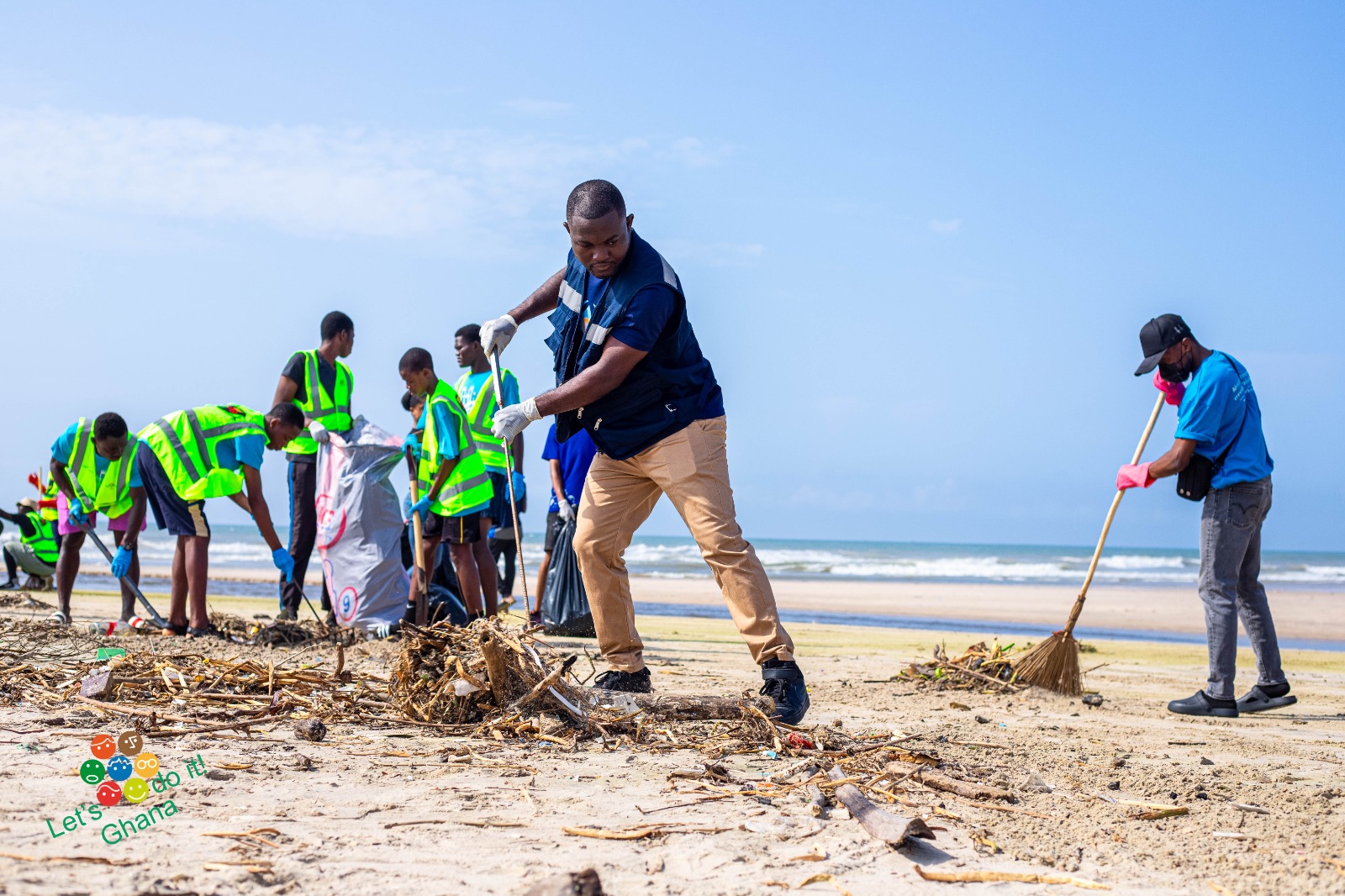
- My passion and purpose are closely tied to my work. I find fulfilment in seeing projects help organisations communicate effectively and drive positive change.
- I enjoy seeing the real impact of my work and how it influences people’s lives and businesses.
- I am able to measure impact, assess outcomes, and contribute to decisions that drive both social and economic change.
- It is rewarding to help organisations showcase their successes and support the sustainability of their projects.
What advice would you give to early-career professionals who want to use their skills for social change?
- Build skills beyond your immediate role. Develop both depth and range. Have a niche, but remain well-rounded.
- Focus on impact, service, and humanity after acquiring your skills.
- Deliver value, not just projects. Let change be your goal.
- Growth comes from service. If your work does not create impact or reflect human interest, it will be difficult to build a meaningful career.
- Help people and organisations communicate what truly matters to them.
- If your work is not improving lives or contributing to progress, you need to rethink your approach.
- Be deliberate, stay involved, and tell stories that lead to positive behavioural outcomes. It is your responsibility to create meaning that inspires action.