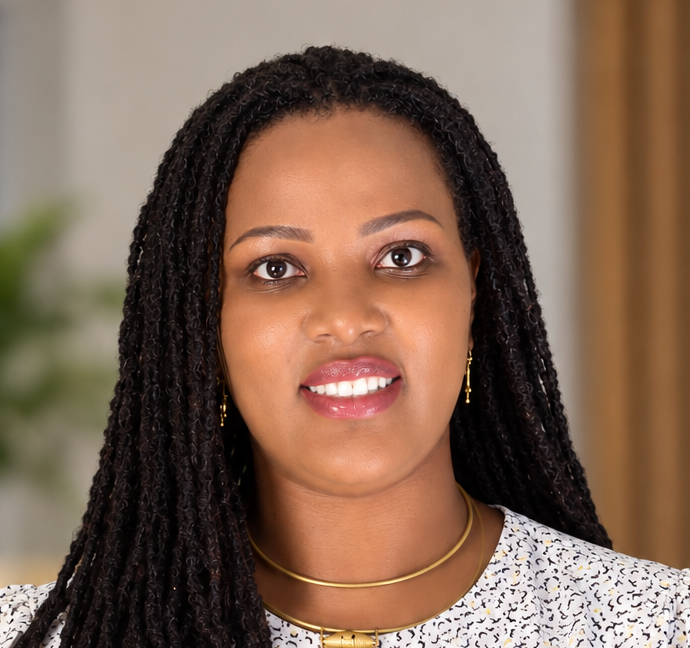

In this Comms Spotlight interview, Mimi W. Mavuti, Founder & Chief Advisor at Force For Good Consultancy, speaks about building a career in sustainability communications, the trends shaping the field, and some advice young professionals looking to build careers with lasting impact.
How did you begin your career in communications?
Curiously, it was quite an accidental start! I had enrolled to study law for my bachelor’s degree at the behest of my parents, but after two weeks of study, I quickly realised that it wasn’t for me. I switched to a Mass Communication degree, informed significantly by my strong right-brain inclination. Subsequently, I went on to work with an advertising agency and a public relations agency in the formative years of my career and, as they say, the rest is history!
Interestingly, though, I have a strong governance and risk management bone, which means that the regulatory framework shapes a lot of what I do in my day-to-day work.
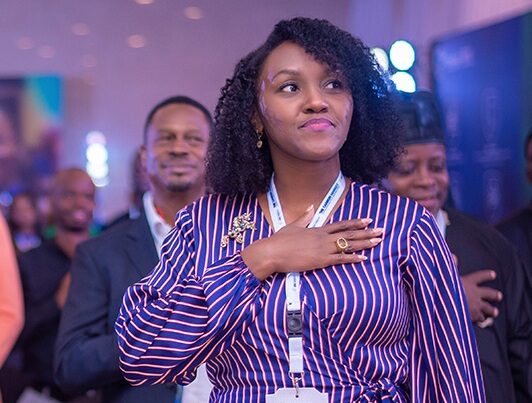
What does a typical day look like for you as a Sustainability & Impact Communications Consultant?
No day is ever the same. As an advisor, I do a lot of strategic thinking and stakeholder engagement. Ironically, meetings are the bane of my existence, but they are critical for facilitating discussions with clients for briefings, strategy reviews, and progress management.
On a typical day, I may attend two or three meetings, work on a strategy document, and perhaps attend a sector or industry event or webinar to stay abreast of external developments, build capacity, and network.
A significant aspect of my work is the opportunity to stretch myself and broaden my thinking beyond a homogeneous subject area. As I am currently working with a diverse client portfolio, I often find myself borrowing learnings from one distinctively different project and applying them to another.
Ultimately, I am able to define the impact I want to make and therefore select projects based on their ability to create positive impact for the client, stakeholders, and wider society.
Tell us about a major challenge you’ve faced in your career and how you overcame it.
Challenges in career development are a dime a dozen. Overcoming them is how we learn and build resilience.
Given that most of my career has been in highly regulated sectors, I often dealt with intense crisis situations. This meant that I was always on my toes and adopted an ‘always-on’ approach to my work. As a result, I was often on edge during the early to middle stages of my career before I learnt how to regulate my thinking.
This took a toll on my nervous system, so I had to take deliberate steps to prioritise my personal wellbeing. That included defining strict measures to switch off and building a system anchored in robust proactive preparation through scenario modelling and mitigation measures.
Now, as a seasoned practitioner, I like to say that the crisis had better be prepared for me before it lands on my desk!
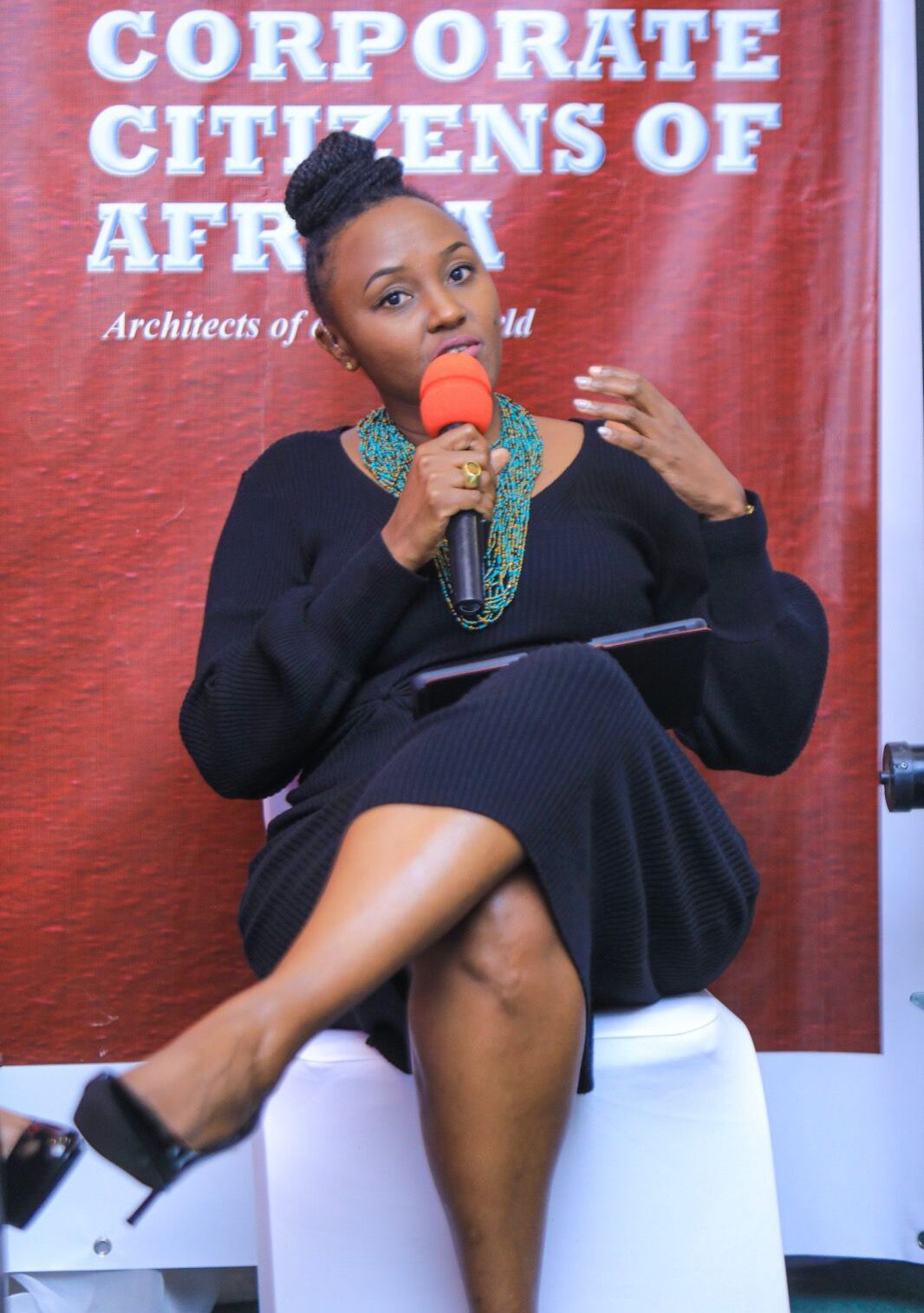
What has your journey as a consultant and running your own practice taught you about the industry?
Running a practice is very different from employment. While, as an employee, one has the option to switch off, that is not even a consideration in advisory. I must always be several steps ahead to ensure that I provide sound and effective advice to my clients.
In this day and age of rapidly evolving technology and ever-changing market dynamics, shaped by global shifts and the convergence of policy, geopolitics, and innovation, one must be proactive and stay informed across a range of issues. Adaptability, continuous improvement, and agility are the name of the game.
Equally important are effective stakeholder relationships, as these underpin everything else. It is therefore essential to build strong people skills across different personalities, cultures, perspectives, and temperaments.
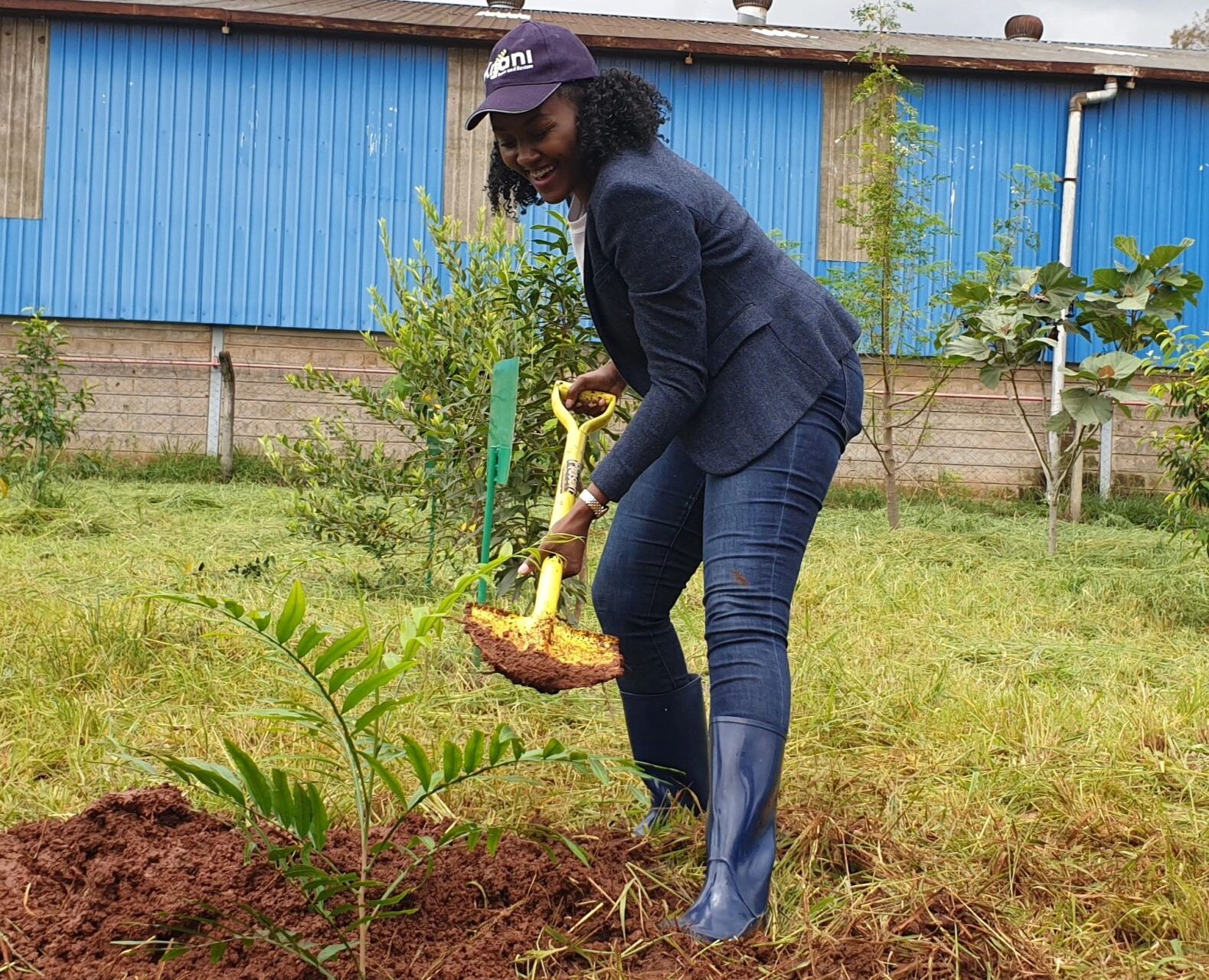
What are some trends you are currently seeing in sustainability communications, and how should communicators prepare for them?
In my view, sustainability is now driven less by outputs and more by outcomes—that is, impact. This is then tied together by proactive transparency in communications to facilitate accountability.
This means that, while organisations previously took a more compliance-driven approach to sustainable business and disclosure, the global landscape is evolving towards a more voluntary approach. One key driver of this is increased regulatory scrutiny. Another significant catalyst is growing consumer awareness and discernment.
Research by OpenText in 2021 indicated that “nine in ten global consumers want to buy products sourced in a responsible and sustainable way, and 83% would pay more for goods that are ethically produced.” More recently, a 2024 global survey by Deloitte found that “Millennials and Gen Z believe businesses could and should do more to enable consumers to make more sustainable purchasing decisions.”
The work is therefore cut out for brands and organisations that want to be future-fit. They must invest in building sustainable value chains and ensure those efforts are communicated transparently to stakeholders to support informed decision-making.
For communicators, we must ensure the accurate representation of information and avoid pitfalls such as greenwashing and redwashing. These can be detrimental to an organisation, not only from a reputational perspective but also from a commercial one, depending on their severity.
What advice would you give to new or aspiring communications consultants?
Do the right thing because it is the right thing to do.
Communications is a nuanced discipline, and communicators are often faced with various challenges, such as those I have mentioned in sustainability communications, among many others.
For me, one thing we should never compromise on is integrity. Ethical practice not only protects your individual reputation but also has a ripple effect. It strengthens the credibility of our work and profession, which is critical in shaping organisational strategy and public discourse on important issues, including policy and behaviour.
With the advent of AI introducing new risks around misinformation and misrepresentation, I believe it behoves all of us to ensure that everything we do begins and ends with integrity.