
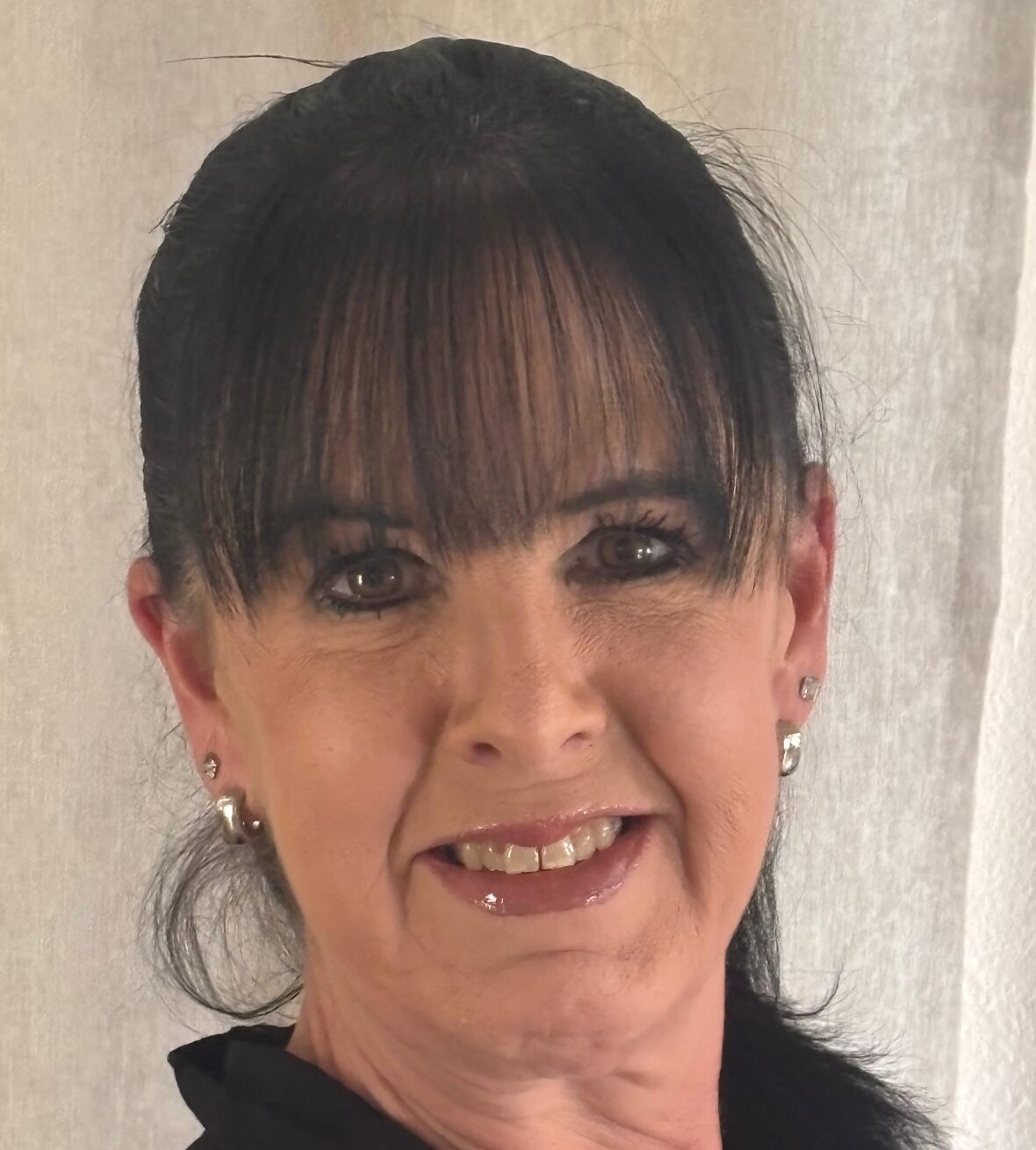
This week, we spotlight Lynn Berowsky, CPRP, Employee Communications Manager, South Africa at De Beers Group. In this interview, Lynn shares her career journey spanning almost three decades across Human Resources, Organisational Effectiveness, Public Relations and Communications, as well as the principles, skills and experiences that have contributed to her growth throughout her career.
What inspired you to pursue a career in Communications?
To be honest, I didn’t set out with a grand plan to become a communications professional. My career journey started in Human Resources and Organisational Effectiveness, where I developed a deep appreciation for understanding people, building relationships, and helping organisations navigate change. Over time, that passion ultimately led me into communications and to becoming a Chartered Public Relations Practitioner (CPRP).
What drew me to communications was the realisation that communication sits at the heart of everything. Whether you’re leading change, driving engagement, building culture, or inspiring people around a shared purpose, it all starts with effective communication.
I’ve always loved stories. As a child, I was fascinated by people, their experiences, and what made them tick. Today, I still believe that some of the most powerful communication isn’t about messaging, it’s about connecting. It’s about helping people feel informed, understood, valued and included.
Early in my career, I realised that if I couldn’t explain something to my mom, my sisters, or a friend outside the mining industry, I probably didn’t understand it well enough myself. Some of the most complex business and technical topics I’ve worked on have required me to become a translator, turning corporate language into something meaningful for real people.
More than 25 years later, I still find it incredibly rewarding because no two days are ever the same. One day you’re supporting leaders through change, the next you’re celebrating employee achievements, and somewhere in between you’re trying to explain a complex business issue in language that people understand.
My family jokes that I’m the family paparazzi because I’m always taking photos and documenting moments. Looking back, I think that’s where my love of communications really started. I’ve always wanted to capture stories, preserve memories and share experiences that matter. The only difference is that now I do it professionally.
At its heart, communication is about connection, and I’ve always enjoyed sharing stories that bring people together, inspire others and make them feel seen and valued.
That passion hasn’t faded with time. In fact, at the ripe old age of 56, I started my own blog, proving that it’s never too late to try something new. Through my writing, I share stories about family, faith, resilience, lessons learned and the everyday moments that make life meaningful. It’s become another way to do what I’ve always loved most: connect with people through authentic storytelling.
Being nominated for the 2026 De Beers Oppenheimer Award is an incredible honour and privilege. For me, the nomination is about far more than an award. It is a reminder that the work I do matters and that, in some small way, I have made a positive difference. To know that someone took the time to recognise the impact of my contribution is deeply humbling and incredibly affirming. Whether I win or not, I am grateful to know that the work of helping people connect, communicate, navigate change and celebrate success has had meaning for others.
What does a typical day look like for you as an Employee Communications Manager at De Beers Group?
The short answer? There is no typical day!
One of the things I love most about communications is its variety. A day can include developing communication strategies, partnering with leaders, supporting employee engagement initiatives, writing stories, managing change communications, planning events, updating digital channels or responding to emerging issues.
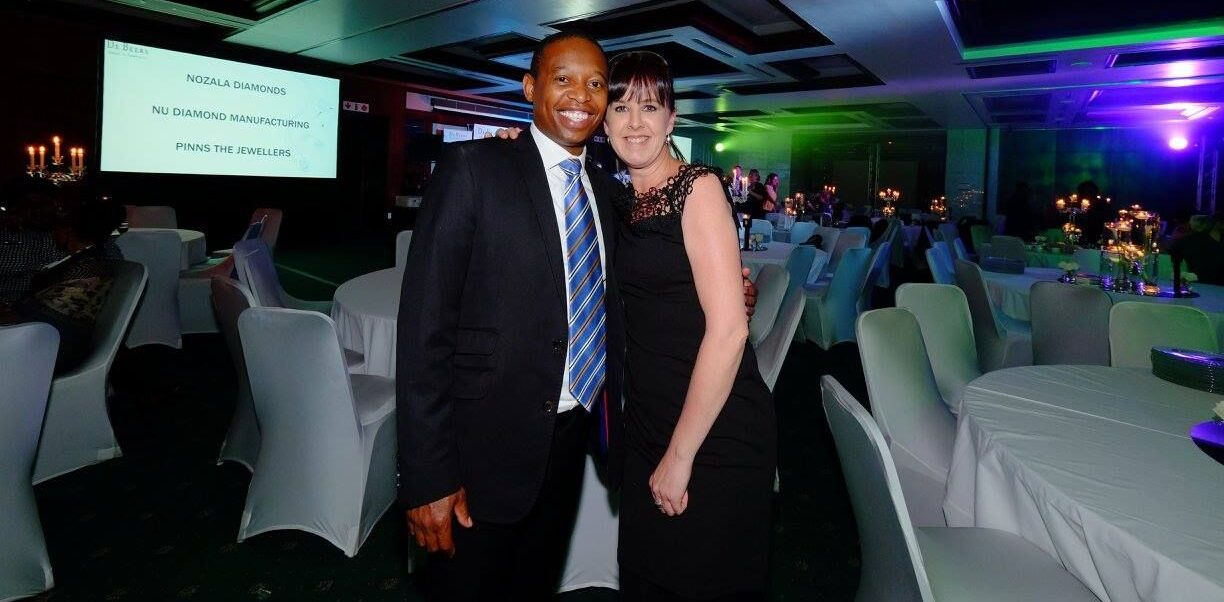
At De Beers, we’re a global organisation operating across multiple countries, cultures and functions, and my role often involves engaging with stakeholders across South Africa and the wider business. Communication is about much more than simply sharing information. It’s about helping people understand what is happening, why it matters, and where they fit into the bigger picture.
One of the things I love about my role is that one week you’re sitting in a meeting room discussing strategy and the next you’re standing on a mine site wearing PPE, sweat pouring down your back, sore feet, dust in your hair, nose and ears, and your hard hat leaving your hair completely flattened. It certainly keeps you humble and teaches you to adapt quickly.
Some days are carefully planned. Others require you to pivot at a moment’s notice because something unexpected has happened. Communications has taught me that flexibility is not just a skill, it’s a survival strategy.
I’ve also learned that no matter how carefully you’ve planned an event, something unexpected will happen. A microphone won’t work, a video won’t load, a speaker will run late, or the weather will decide it has other plans. Over time, you learn to stay calm, adapt and carry on. It’s a good reminder that perfection is overrated, but flexibility is essential.

How do you ensure internal communications remain engaging and meaningful for employees across different teams and locations?
For me, it starts with remembering that employees are people first.
Too often organisations focus on what they want to say rather than what employees need to hear. Effective communication happens when we listen first.
I always ask myself three questions:
- Why should employees care?
- What does this mean for them?
- How will it help them do their jobs or feel more connected?
I also believe variety is important. In the mining industry, we communicate with a wide range of audiences, from frontline workers to corporate office teams, and each group has different information needs and preferences. Not everyone consumes information in the same way, so we need to use different channels, formats and styles to ensure messages are meaningful, relevant and understood. Sometimes that requires a more creative approach to make sure communication truly connects across all levels of the organisation.
Most importantly, communication should feel human. Employees don’t want corporate jargon. They want clarity, honesty, authenticity and relevance. The best feedback I can receive is when someone says, “That felt like it was written for me.”
Communication is not about sending messages. It’s about connecting with people. The day you stop seeing employees as audiences and start seeing them as human beings is the day you become a better communicator.

Can you share an internal communications initiative that had a particularly strong impact on employee engagement?
One of the most rewarding aspects of my career has been supporting people through periods of significant organisational change, including large transformation and culture-change initiatives.
While I can’t point to a single campaign, some of the most rewarding work I’ve done has involved helping employees navigate uncertainty during transformation programmes. During these times, communication isn’t just about sharing updates. It’s about building trust.
I’ve learned that employees don’t expect leaders to have all the answers immediately, but they do expect honesty, visibility and empathy.
What has impacted me most over the years is hearing from employees who felt more informed, reassured or simply better able to understand what was happening around them. Those moments are a powerful reminder that communication is about far more than information. It’s about helping people navigate change with dignity and confidence.
When employees feel informed, listened to and supported, engagement improves significantly. As communicators, we sometimes underestimate the difference we can make by creating clarity and helping people feel seen and heard during challenging times.

What have you learned about the role of communication in shaping workplace culture?
Communication doesn’t just support culture. It helps create it.
The stories organisations tell, the behaviours they celebrate, the conversations leaders have, and the way information is shared all contribute to culture.
I’ve learned that culture is often shaped in the everyday moments. It’s reflected in how leaders communicate during difficult periods, how teams collaborate, how successes are recognised, and how people treat one another.
Communication has the power to build trust, create belonging, reinforce values and help people connect to purpose.
I’ve also learned that culture is shaped as much by what organisations do as by what they say. Employees pay attention to actions. They notice whether leaders are visible, whether values are lived, and whether communication is honest and authentic.
If there’s one thing I’ve learned over the years, it’s that people may not remember every message you send, but they will remember how your communication made them feel.
What advice would you give to professionals interested in building a career in internal communications?
Firstly, stay curious.
The best communicators are lifelong learners because the world, technology and the ways people consume information are constantly evolving.
Secondly, learn to write well. Clear, simple communication is one of the most valuable professional skills you can develop. If you can explain a complex issue in plain language, you’re already ahead of the game.
Thirdly, focus on relationships. Communication is ultimately about people. Technical skills matter, but empathy, emotional intelligence and the ability to build trust are equally important.
And finally, don’t be afraid to start before you feel completely ready. Some of my greatest learning experiences came from opportunities that stretched me beyond my comfort zone.
Having spent more than 25 years at De Beers across Human Resources, Organisational Effectiveness and Communications, I’ve learned that communications may be the only profession where everyone believes they’re also a communications expert. You can send a message through ten rounds of review, finally get approval, and five minutes before publication someone says, “Just one small change…” which somehow turns into a complete rewrite. It’s taught me resilience, patience and the importance of keeping a sense of humour.
Balancing work, motherhood and a demanding career wasn’t always easy. There were many days when I moved from school events and cricket matches straight into meetings and communication deadlines. Looking back, I wouldn’t change a thing. Both roles taught me valuable lessons about empathy, patience, listening and resilience, all qualities that have made me a better communicator.
And never stop learning or trying new things. Starting my own blog at 56 reminded me that growth doesn’t have an expiry date. Some of the best opportunities come when we’re willing to step outside our comfort zones and embrace something new.
Most importantly, remember that behind every message is a person. If you keep people at the centre of what you do, you’ll have a meaningful and rewarding career.

In Closing
After more than 25 years of helping people connect, communicate and navigate change, I still believe our greatest responsibility is not simply to inform people, but to help them feel valued, understood, included and connected.
My dad taught me that serving others isn’t about recognition; it’s about making a difference in people’s lives. That lesson has guided me throughout my career. Whether I’m supporting leaders, helping employees through change, or telling stories that celebrate people, I’ve always tried to remember that communications is ultimately an act of service.
At the end of the day, communications is about people. If I’ve helped someone feel informed, reassured, inspired or simply heard, then I’ve done something worthwhile.