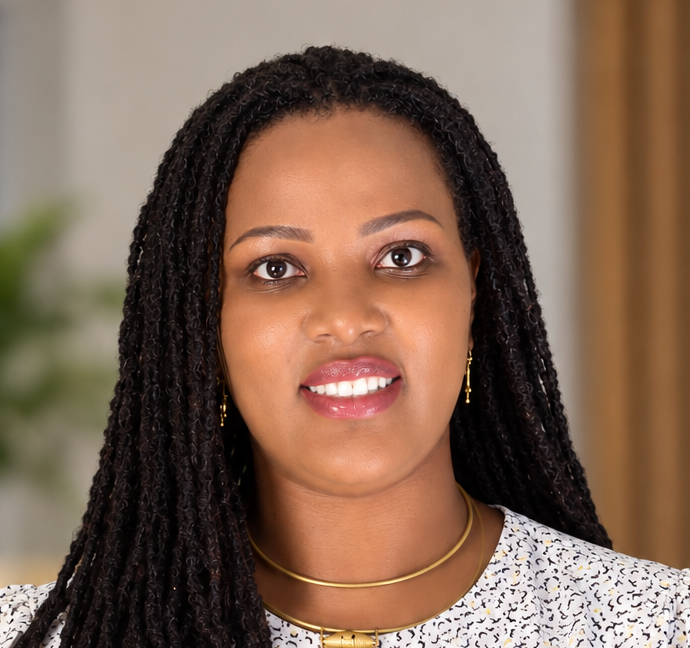
Agnes Brenda, Field Marketing Professional, shares lessons from her career journey, what working in field marketing involves, and the essential skills for anyone looking to build a career in the field.
What inspired you to pursue a career in marketing and communications?
I was inspired by my natural curiosity about people and human behaviour. When I started working at an advertising agency, I became fascinated by what makes people respond to certain messages, promotions and experiences. I realised that marketing is not just about choosing a channel and putting out a message. It is really about understanding people, what they need, what influences their decisions, and how you can make a brand relevant and top of mind at the right moment. That curiosity has continued to shape the way I approach marketing and communications throughout my career.
What does a typical day look like for you as Field Marketing Manager?
There really isn’t a completely typical day, which is one of the things I enjoy about field marketing. A lot of my work involves connecting customer needs with business objectives. I spend time understanding what our customers and partners are looking for, working with different teams to translate those needs into relevant marketing activities, and making sure we are communicating the right value to the right audience at the right time.
Because I work across different markets in East Africa, there is also a lot of stakeholder management, collaboration and problem-solving. What works in one market may need to be adapted for another, so there is always an element of listening, learning and adjusting.
If you had a few minutes to explain field marketing to a communications student who had never heard of it, what would you tell them?
I would describe field marketing as marketing that gets close to the customer. It is about understanding a customer’s needs at both a personal and market level, and then creating the right experiences, conversations and solutions around those needs.
For me, field marketing sits at the intersection of marketing, sales and the customer. You are not simply communicating to people; you are listening to them, understanding their business and using those insights to create something that is genuinely relevant to them. It is quite practical and very close to the realities of the market.
When you’re working across different markets, what do you aim to understand first about a market before deciding how to market to it?
The first thing I try to understand is the customer and the context around them. You cannot assume that what works in one market will automatically work in another. Culture, business maturity, customer behaviour, industry dynamics, and even how people make decisions can be very different.
So before deciding on a marketing approach, I want to understand who the customer is, what matters to them, what challenges they are facing and what influences their decisions. I also want to understand the broader business environment. Once you have that context, the marketing becomes much more intentional rather than simply replicating what has worked somewhere else.
What skills are most essential for someone looking to build a career in this niche?
One of the most important skills is the ability to derive insight from data. It is not enough to simply look at numbers. You need to be able to interpret them, ask what they are telling you and then turn that insight into action.
I would also say curiosity is extremely important. You need to constantly ask why. Why are customers behaving this way? Why is one campaign performing better than another? Why does something work in one market and not another?
Beyond that, strong communication and stakeholder management skills are essential. You may have a great insight, but you also need to be able to communicate it clearly, influence different stakeholders, and bring people together to turn that insight into something meaningful.
What advice would you give to professionals looking to build a career in field marketing and communications?
Be curious, stay close to the customer and learn to understand the business beyond marketing.
Marketing can sometimes be seen as the team that creates campaigns and communications, but the strongest marketers understand how the business actually makes money, what the customer values and where marketing can make a measurable difference.
I would also encourage people to get comfortable with data. Creativity gets attention, but insight helps you make better decisions. And finally, do not be afraid to get close to the people you are marketing to. Talk to customers, listen to sales teams, understand the market and keep learning. The more you understand people and the business, the better marketer you become.