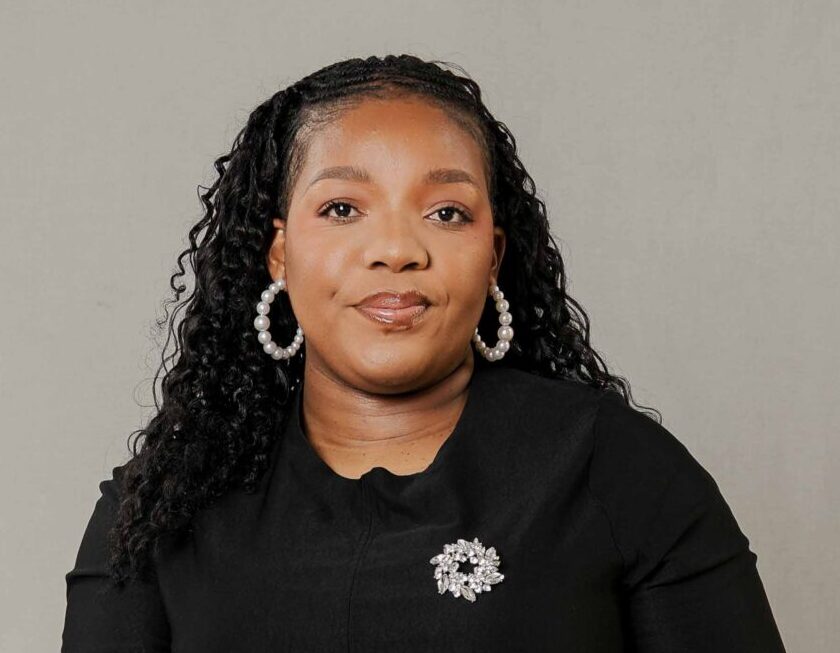
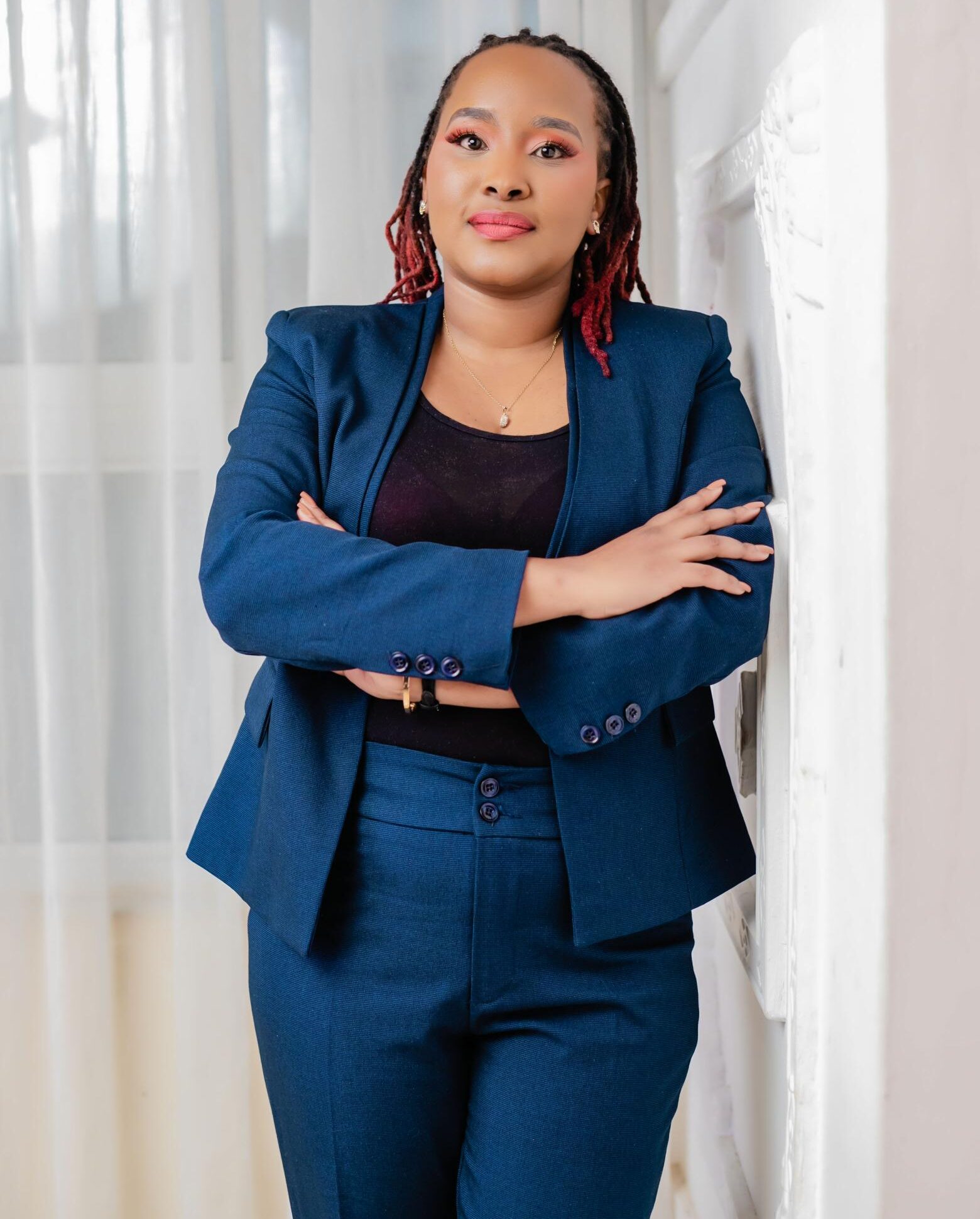
In this edition of Comms Spotlight, Annette Wachira, Communications Manager at Equity Group Foundation, the social impact arm of Equity Group Holdings, shares how an internship she never expected launched her career in development communications. Today, she leads communications for programmes across East and Central Africa, using storytelling to highlight impact, and preserve community stories. Read about Annette’s career journey, the challenges of communicating social impact, and the lessons she has learned along the way.
What inspired you to pursue a career in Communications, particularly within the development sector?
My career in development communications was accidental and, let’s say, God’s plan. When I was doing my undergraduate degree in Journalism, I assumed I would end up in TV or production. In fact, at university, I was part of the radio club and co-hosted a radio show. When I was finalising my fourth year, I got an internship at one of the social marketing NGOs in Kenya as a Programmes Intern, and that is how my career in the development sector kicked off.
I got to understand how social impact works and what communication in the development space looks like. I later became a Programme Assistant supporting social behaviour change campaigns, and it was in those first years that I clearly knew I wanted to do communications and that this was the sector I truly wanted to be in.
I fell in love with storytelling and the power of communication to empower communities. I found fulfilment in fieldwork and visiting beneficiaries whose lives had changed due to our interventions. I later moved into a Communications Officer role and worked in various organisations and programmes over the years in sectors ranging from health, agriculture, food and nutrition, education, women’s empowerment, energy, climate, and the environment.
Eventually, I went back to school and completed a Master of Arts in Communication for Development, as I felt I needed to understand the theories and principles behind development communication, and I have never looked back.
What does your role as Communications Manager at Equity Group Foundation involve on a daily basis?
At Equity Group Foundation(EGF), the social impact engine of Equity Group Holdings, I lead communications for our various projects in Kenya, Rwanda, Tanzania, Uganda, South Sudan, and the Democratic Republic of the Congo. A big chunk of my time goes into ensuring social impact is woven across the different communication pieces that we develop and ensuring that, as a foundation, we uphold the brand image of the Group. I advise on the brand and content to be shared, ensuring we communicate effectively.
In addition, I work with our EGF teams to identify key areas of support and create communication strategies and plans. I also work with my communications colleagues to make sure that the Foundation’s work is highlighted across the Group and tailored to our different stakeholders.
The days are very diverse, but what remains constant is that I monitor reports daily to maintain a general view of the brand and the Foundation and ensure that any crisis is averted. I also look for opportunities for social impact stories to be highlighted across the Group and through different media channels. Once in a while, I get to show up in pomp and colour at media events and awards.
How do you manage the storytelling for so many different pillars, from education to health, without losing the central brand identity of the Foundation?
Well, that’s an interesting question. First and foremost, each pillar is very unique in how it communicates its story, and I work a lot with the Monitoring and Evaluation teams to ensure that we communicate the unique attributes of each pillar through data and that these stories align with the larger communications strategy for the Foundation.
The key thing is to ensure balanced storytelling that does not favour a particular pillar but ties back to the overarching goal of the Foundation, which is social impact. I work a lot with my colleagues to fully understand the different programmes and ensure that we communicate a true picture of the diverse work happening on the ground, and this leads to powerful and unique stories.
What impact do you hope your work will have on communities across Africa in the long term?
Well, this is a very deep question because I think that, as a communications professional, we do shape the narrative of the continent and therefore have the responsibility of showcasing the true, authentic stories within our communities.
I hope that the work I do is impactful and helps shed light on who we are as a people and that it preserves the history of our rich continent. I hope my work can lead to policy change and advocacy and serve as proof that impact may take time, but the effects on the communities I highlight linger for generations.
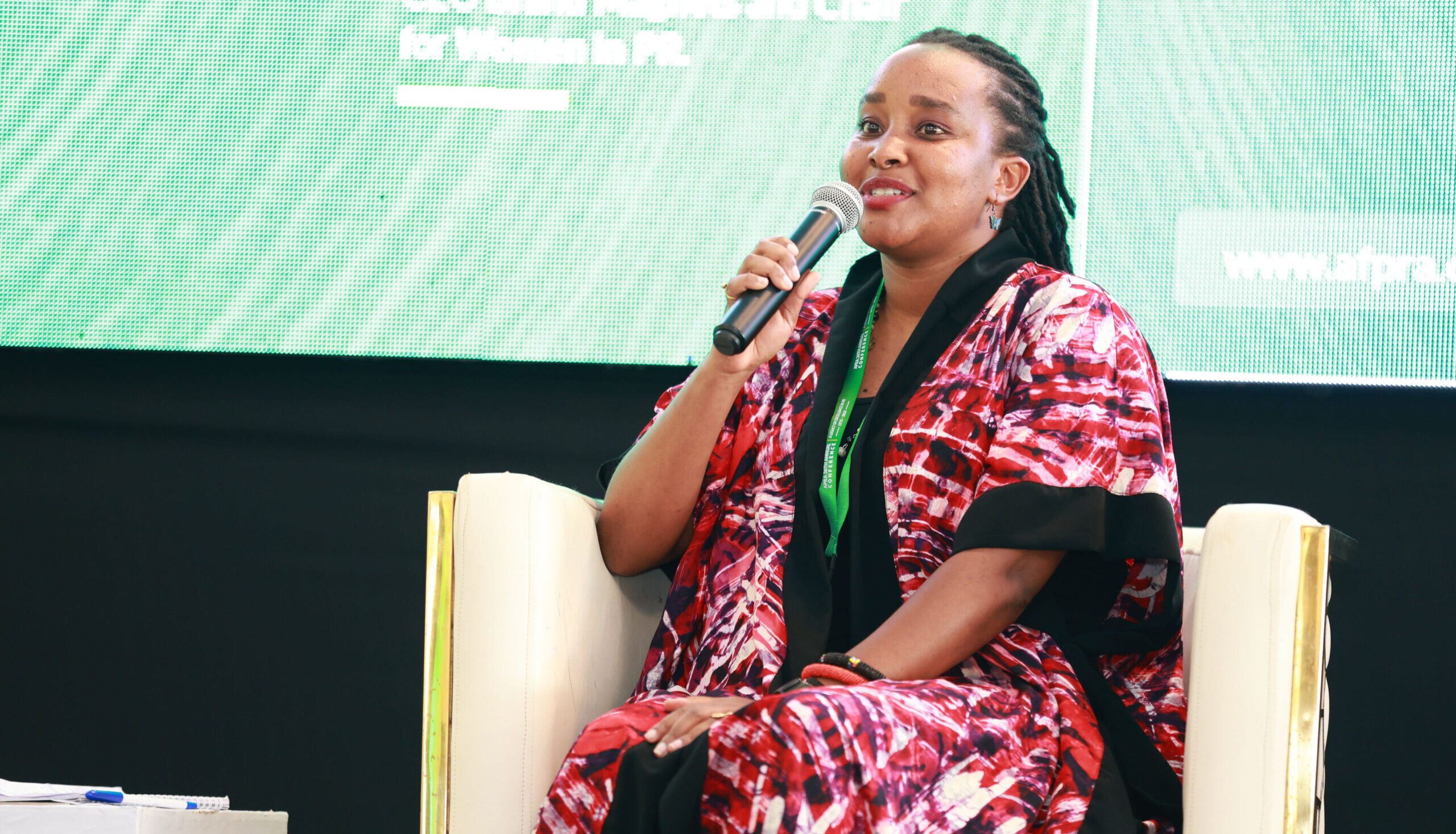
What are some of the challenges of communicating development work, and how do you address them?
One of the challenges of communicating development work is that a lot of people do not understand the profession and are quick to box us into the familiar disciplines of PR, media, and marketing. As a result, they do not fully understand the power we have to shape narratives and influence policy.
A lot of times in my career, I have been placed under leaders who did not know what to do with the role. Therefore, as a communications professional, I have learnt to be an advocate for the profession and to build the capacity of the teams and leaders I work with on the power of data-driven storytelling.
In addition, proper storytelling calls for budgets and ample time to develop communication that is impactful. Due to budget constraints, stories may not be fully fleshed out or may be rushed, compromising quality.
What advice would you give to someone who wants to specialise in development communications?
My advice would be: go for it! Have an open mind. Keep learning and be agile, as the industry calls for resilience. Be bold and stand tall for the profession. If one can afford to go back to school and gain skills in communication for development, it is a great idea, as understanding why things are communicated the way they are is truly important.
I would also tell them that they can pivot into different disciplines and that they carry the power to shape narratives, which is truly powerful and indeed a call to humanity.
I would advise them to sharpen their communication and storytelling skills and also have humility when engaging with communities and different stakeholders. Everyone has a story to tell.
One of the books I love to read is “Good Girls Don’t Get the Corner Office” and, especially for young women, do not be scared to lead or sit at the table. Take your seat. Be bold and courageous!