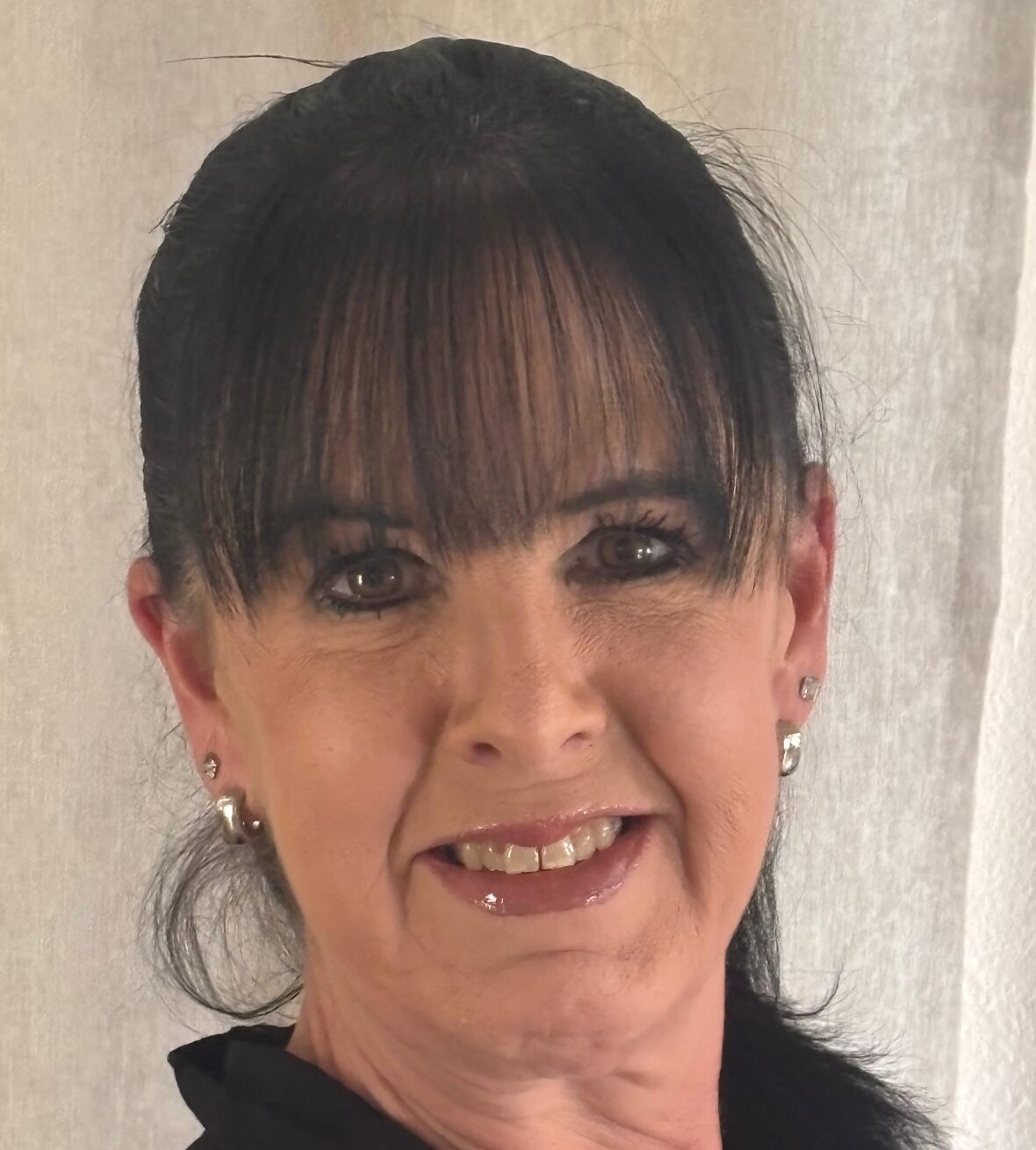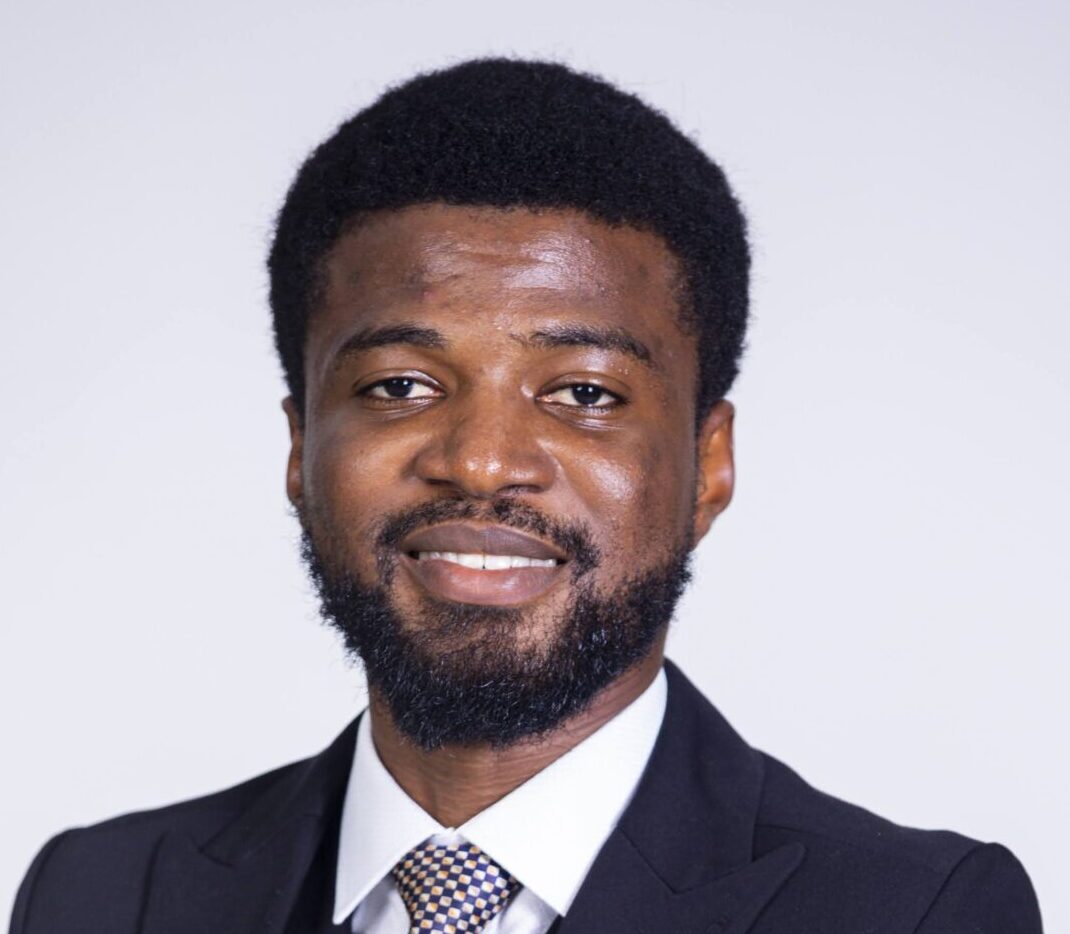

Abimbola Sarah Ogundare is a Marketing and Corporate Communications professional with over a decade of experience, and her journey into the industry was anything but straightforward. In this interview, she shares some moments and lessons that shaped her career and have made her the professional she is today.
What inspired you to choose and build a career in Marketing and Communications?
I failed WAEC.
I failed as a science student who had spent years being psychologically convinced that medicine was the goal.
Repeating WAEC as an art student was a form of humiliation because I had less than a year to study subjects I had never taken. At one point, the temptation to cheat was real. But something stopped me, a quiet, stubborn question I could not shake: what if I am actually good at this and I never find out? I had already confirmed I was terrible at sciences, there was no second guessing that. Anyway, I took serious tutorials, sat for the exams properly and I passed.
I landed in Mass Communication entirely by accident. I had initially wanted to study Zoology but when my brother asked me how many functional zoos were in Nigeria, I checked the brochure again, saw Sociology, checked for the meaning and decided to go for it.
On the day I was supposed to start Sociology lectures, the class did not have enough students to commence. I was given a choice: wait, or switch to Mass Communication. I switched, not out of passion, but out of impatience.
Marketing found me in my second year during a lecture on Public Relations. A guest lecturer came in, someone who owned a PR firm, and started talking about how brands are built and how buyers are influenced, how the psychology of perception shapes purchasing decisions. I remember being utterly amazed.
I approached him after the lecture and told him I wanted to work for him. He said all he could pay me was N10,000 monthly. I told him that was fine. It was not about the money. It was about getting hands-on experience.
That internship put me on accounts like SuperSport, and I got exposure to merchandising, brand activation, and public relations. Gradually but decisively, I knew this was what I wanted to do. I was sure I wanted to toe this path. I have been on this path for over a decade now and I am not done.
What does your day-to-day role as Team Lead involve?
At a point in my career, I worked with a boss that built my marketing skills but tried breaking my spirit. My spirit did not break but he tried. So as a leader, every morning, I read the room. Before I open my mails, I pay attention to my team. I can sense when someone is off, when the energy is quieter than it should be.
I take that seriously because I am not interested in managing output from people who are running on empty. After that, the rest of my day is largely built around stakeholder management, and what that looks like shifts constantly depending on what is live at the time.
What stays constant is my mindset. I go into every stakeholder interaction trying to understand what is actually being asked for underneath what is being said, because those are often two different things.
The outcome of those conversations shapes every next decision I make, what I escalate, what I push back on, what I protect my team from, and what I hand to them to run with.
What are the key things that inform your strategy and help your team succeed?
The simplest question in the English language is also the most consistently skipped step in marketing, and that question is ‘Why’.
Before I approve anything, before I start anything, before I sign off on a brief, a concept, a budget, or a campaign, I ask why. Not as a formality, but as a genuine interrogation. Why are we doing this? Why now? Why this message? Why this channel?
What I have learned over years of asking it is that the question does more than one thing. It helps me understand the task clearly, and it helps me spot when the person asking me to do something has not fully thought it through, which is not a criticism of anyone.
Asking why, done with sensitivity and genuine curiosity rather than challenge, gives everyone in the room the chance to slow down and think more clearly.
It also gives me the ability to refuse, to reframe, to defend. When you know the why, it is easier to build a sound strategy because the right building blocks will be put in place to achieve the objective.
Why is what separates reactive marketing from strategic marketing, and it is the one thing I always teach every team I lead or I am part of.

Looking back at your time with Coronation, what is the single most impactful project you’ve spearheaded?
I have a non-disclosure agreement that covers the specifics of what I worked on at Coronation, and I respect that fully. What I can tell you is what that season taught me about marketing in financial services.
Financial services is one of the hardest marketing categories in Nigeria. You are selling trust in an environment where trust is hard-won and easily lost.
The gap between what a brand says about itself and what a customer actually experiences at any marketing touchpoint can undo months of careful positioning.
The work I was most proud of at Coronation was not any single campaign. It was the harder, less visible work of ensuring that what the brand said about itself was something a customer could actually experience.
That experience is a significant part of why I believe so strongly that strategy must come before execution. It also forced me to think more critically about how marketing capability is assessed, especially in an environment where execution is often mistaken for strategy.
What is one common misconception about marketing, and what is the reality?
The most persistent misconception I encounter is that many people mistake marketing tactics for strategy. They think that marketing is primarily about content and visibility, that if you are posting consistently, running campaigns, and staying active on the right platforms, you are doing marketing.
The reality is that all of that is execution, and execution without strategy is just expensive activity.
Real marketing starts long before any content is created. It starts with understanding exactly who your customer is, not as a demographic category but as a human being with specific motivations, specific frustrations, and specific moments in their life where your product belongs.
It starts with agreeing on the one thing you want that customer to think, feel, or believe every time they encounter your brand, and with making deliberate choices about where to show up and where not to.
When those decisions are made clearly and honestly, the execution becomes almost obvious. When they are not made, when a business skips straight to content, you get marketing that looks busy and produces very little.
What advice would you give to professionals looking to grow into leadership roles in marketing and communications?
Three things, and the last one may come across as unusual.
The first is the one I have already mentioned: ask why. Ask it before you start any project, before you approve any execution, before you accept any brief at face value. Asking why, done well, reframes problems, surfaces better solutions, and marks you out as someone who operates above their pay grade.
The second is to take on more than you are assigned, deliberately and consistently. While your peers are operating at a five, position yourself at a ten. Do things they are not doing, think about problems they are not thinking about, and build relationships with senior people they have not yet had the courage to approach.
That range, the breadth of exposure you accumulate by reaching beyond what is asked of you, compounds over time. It gives you depth and makes you top of mind when opportunities arise.
Careers are not built by doing your job description. They are built by what you do around it.
And the third: have a sound relationship with God. There are insights I have received, decisions I have made, that no degree, no mentor, and no framework could have given me. The clarity that comes from that place is different from anything else I have experienced. I am a better strategist, a better leader, and a better colleague because of it.
The supernatural has played a role in this career that I cannot quantify and would not trade, and for anyone serious about building something that lasts, I would not leave that dimension out of the conversation.