
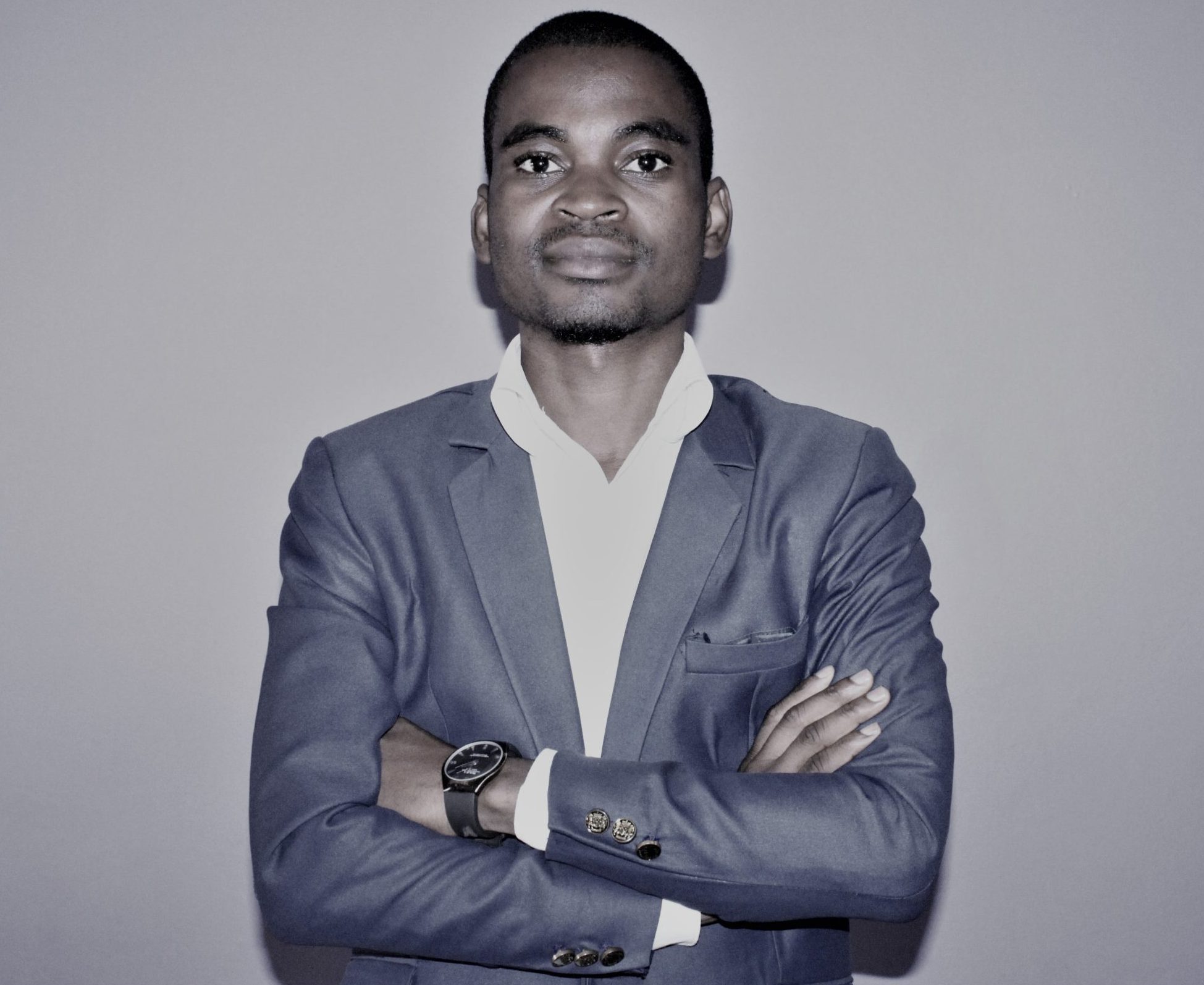
For the month of March, we get a peek into a typical day in the life of Martin Mbewe, a multimedia journalist and development communications specialist from Malawi. Martin serves as a Communications Lead, where he combines strategic oversight with hands-on storytelling across digital platforms. In this piece, he walks us through the quiet routines that ground him and the fast-paced rhythm of managing teams, content and digital platforms. He also shares valuable resources and tools that he finds useful in the course of his work.
What does a typical workday look like for you?
My workday usually starts with planning, often the evening before. I review what I achieved and note outstanding tasks, which helps guide my activities for the next day and the week ahead. In the morning, I review these notes and set priorities for the day.
When I arrive at the office, I check emails to address any urgent issues before starting my planned tasks. I also review what my team is working on, including content writing and social media management, and provide guidance where needed.
Throughout the day, I monitor and manage social media pages, upload stories to the website, respond to engagement, and coordinate with colleagues from other departments. As the communications lead, I oversee content creation, videography, social media and website management, ensuring all communication is accurate, consistent and aligned with our organisational standards and house style.
Do you have any specific routines or habits that help you prepare for work?
I have a few routines that help me prepare for work. I start my day with a prayer to thank God for another day and ask him to prepare me for what lies ahead. After that, I do some light physical exercises and stretching to wake up my body and stay active.
I also make time for reading. I usually read a book in the evening and review what I read the next morning to help me understand and remember it better.
When I arrive at the office, I greet my team and check how they are doing. I then prioritise my tasks, manage my time carefully and stay disciplined in my work.
Because writing is a key part of my job, I continuously work on improving my vocabulary, style and understanding, rather than relying only on artificial intelligence.
I also apply time-management principles I learned from my mentor, George Mlahgui, during TCA’s Comms Mentoring Programme (CMP). He introduced me to the “eight-eight-eight” rule: eight hours for work, eight hours for personal life and eight hours for rest, which helps me plan my day well and remain productive.
What tools or apps do you use most often in your job and why?
I use different tools and apps to do my work. I use Microsoft Word and Google Docs for writing and editing stories and reports because they are easy to use and support teamwork and collaboration. I use Canva, CorelDRAW and Adobe Photoshop to design posters, reports and social media content because they help present information in a clear, creative and attractive way.
For video and audio work, I use Adobe Premiere Pro and VEED to edit videos and documentaries. I also use email for professional communication and Trello to organise tasks and collaborate efficiently with team members.
In the field, I use a camera and a smartphone to capture photos and videos. In addition, I use social media platforms such as Facebook, X (Twitter) and LinkedIn, as well as Metricool and Vista Social for social media management and WordPress for website management. These tools help me tell stories, communicate impact, engage audiences and promote development messages.
If you weren’t in Communications, what career path would you explore?
If I weren’t in Communications, I would explore a career in law. I have always been passionate about helping people and bridging gaps, and I enjoy speaking with and guiding others, much like how I use writing to explain important issues such as climate change, poverty, inequality, unemployment and others.
I was inspired by a lawyer I saw growing up in Malawi who helped a woman unable to afford legal representation. That intervention brought her justice, highlighted the challenges vulnerable people face, and promoted equality by showing that everyone deserves fair treatment under the law. While I would not work entirely for free, I would want to be in a position where I could help someone in need when necessary.
What’s your favourite way to relax after work?
My favourite way to relax after work is reading, followed by spending quiet time reflecting and praying. I also enjoy listening to music and unwinding by watching meaningful content. From time to time, I lightly scroll through social media to stay inspired and connected, and I enjoy simple conversations with family or close friends. These moments help me recharge and prepare for the next day.