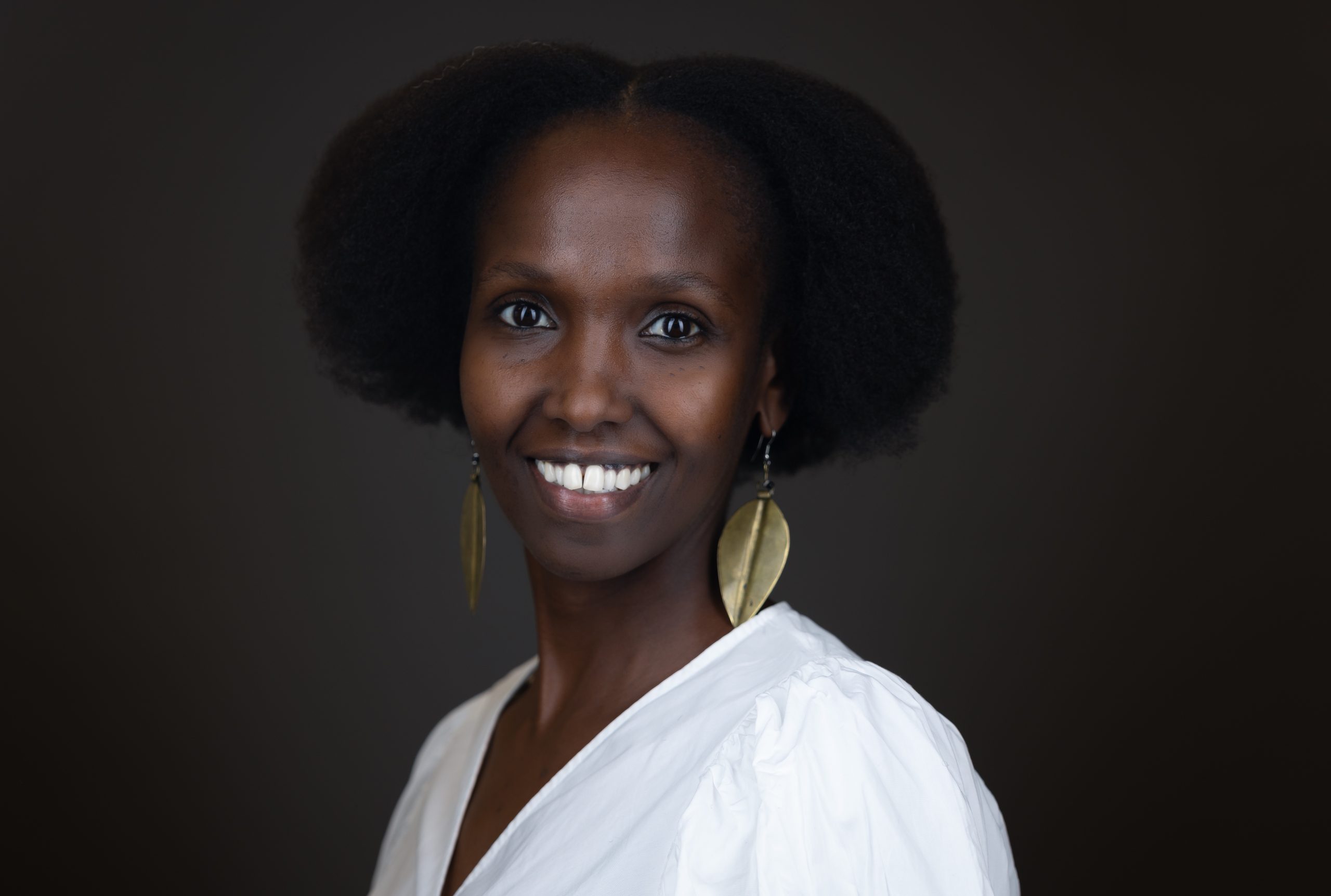
This week’s article is written by Muthoni Wahome, a communications expert and consultant based in Nairobi. In this piece, Muthoni offers a candid perspective on organisational positioning at global summits, highlighting struggles that are real but often overlooked. She also shares practical tips to help communications professionals navigate these spaces more strategically.
If you work for an international non-profit, you’ve probably had to organise and attend (maybe) one of the major meetings/conferences.
I’m talking about the likes of The United Nations Climate Change Conferences, Conference of Parties (COP), The Commission on the Status of Women (CSW).
These meetings provide different agendas for various organisations. It could be forging alliances, fundraising opportunities, presenting papers or declarations, side speaking sessions or a learning/exposure platform for your grassroot partners or even staff.
The fact is that with so many players involved, and everyone trying to milk any opportunities they get, these spaces can be overwhelming and challenging, and easy to get lost or achieve no visibility or substantial connections.
Why is this so? Picture this: you are at the UN complex in New York for CSW. Your organisation has a session in a room far away from the main conference room (rooms/halls are allocated depending on various factors, for example, how much money you have paid/donated to the conference organising).
Remember, various sessions run concurrently at these forums. You must mobilise people to attend your session in one way or another.
Hence, if you are a small organisation or relatively unknown and are allocated a room which is not easily accessible, that is a challenge already.
With so many interests at hand, what will make people interested in coming to you?
You want to attract new faces or organisations, not the partners or organisations you are working with (well, of course, you want them there, but your win would be recruiting new people who are not familiar with your work in-depth).

Navigating the Giants
You could advertise your sessions by distributing flyers, on screens at the venue or even by word of mouth and still not get the desired quorum or faces.
It’s not because you are a failure but because the space is cutthroat. Everyone has an agenda there and they are prioritising to meet that agenda.
From my experience, I learnt that it is better to collaborate and have joint sessions with the “bigger” organisations in your field. Organisations are not on the same level (it’s a fact and nothing to be frowned upon). This does not mean that one or the other is doing less significant work. It just means they are not perceived the same.
These partnerships, of course, don’t happen overnight. It is a collaboration you’d have to build way before the conferences. Collaborations can be short or long term and you’d have to be reasonable about what works for you depending on the circumstances at hand.
Once the collaborations are sealed, working on your communications plan for the event follows. Your joint key messaging, what digital assets will you use, placement of logos-who will go where, will there be joint editorials?
In my work, I found joint social media amplification to be quite effective as opposed to working in silos for these kinds of events. However, this can only be practical or successful if this kind of engagement is aligned to your overall communications strategy.
As you look at the international calendar for the year ahead, don’t just plan for logistics, plan for alliance.
Start identifying your potential partners today and begin those conversations now. Success in global spaces shouldn’t be a luxury reserved for the biggest budgets.
By collaborating, we turn ‘cutthroat’ spaces into platforms for collective impact.
Which major forum are you targeting next? Let’s start building that strategy today.