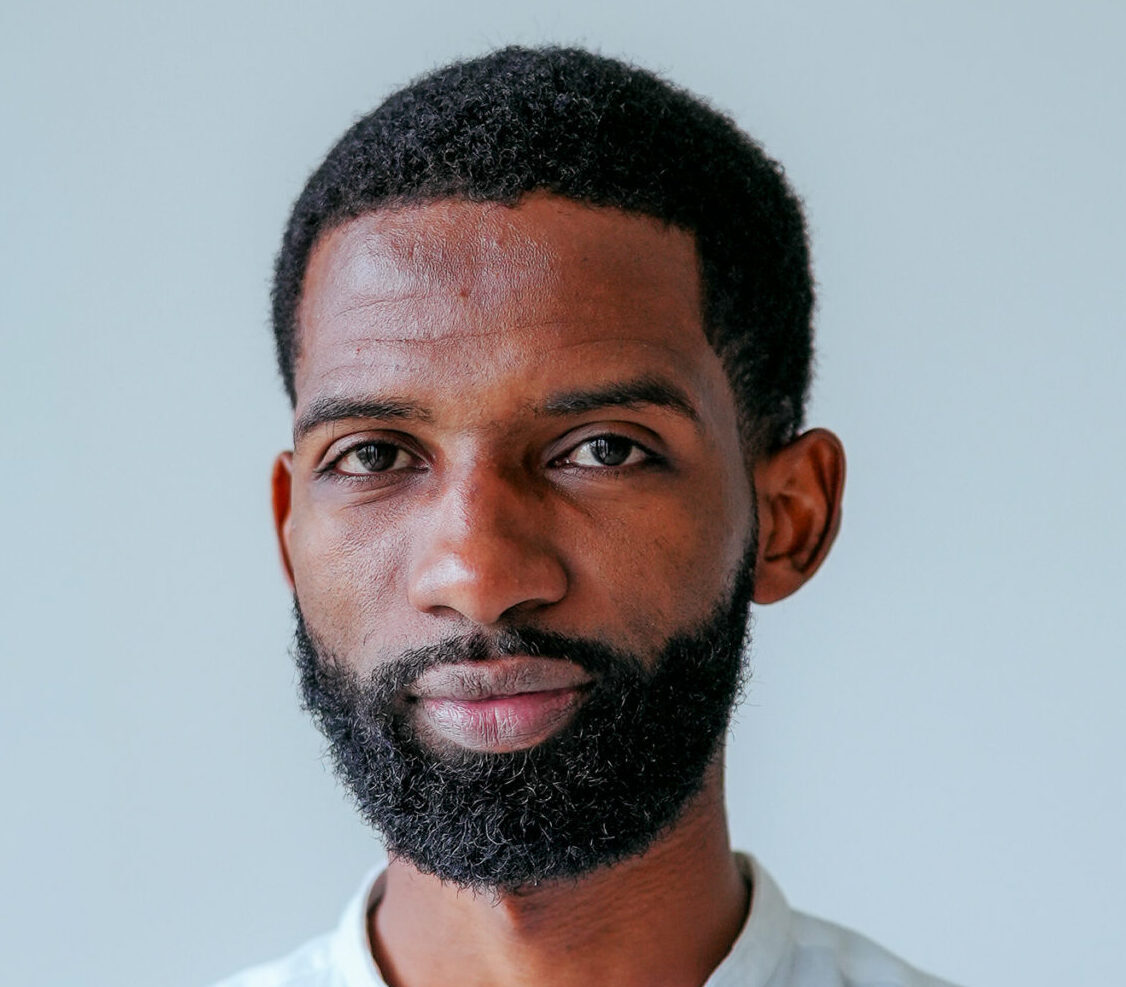
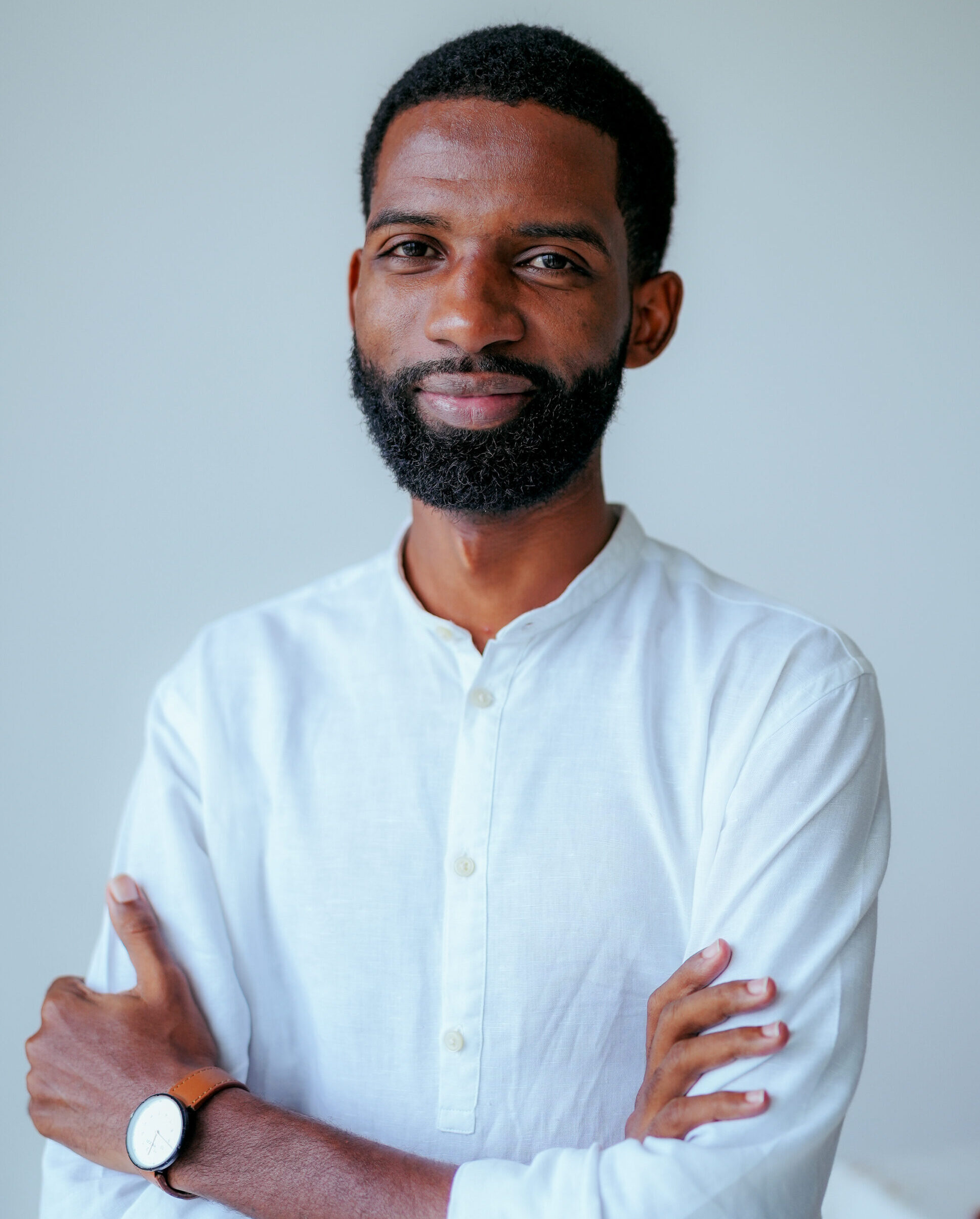
Communication consultant and Groupe ISM, Dakar lecturer, Adama Dia shares his journey into communications, his approach to teaching, and some of his experiences as a communication consultant.
What inspired you to pursue a career in communications, and what motivated you to combine consulting with teaching?
I was that little boy fascinated by the posters displayed along the main streets of my hometown. In the evenings, I would sometimes see a video on national television that was connected to the posters I had noticed in my neighbourhood. I became fascinated by the idea that someone was behind those images, messages and stories.
That fascination grew into a strong desire to move to Dakar and find the people who created this kind of work. I eventually joined the Communication department at university, where I learned how to tell stories that could positively influence communities.
Teaching came later, almost by accident. I initially stepped in to replace a friend whose profile was similar to mine. But I quickly discovered a natural continuity between consulting and teaching. A classroom is another kind of laboratory: you can introduce a concept, engage people in conversation, develop ideas and test them.
Over time, teaching became an extension of my consulting practice and a space where I could be even more creative with communication strategies.
What does a typical day look like for you as a communication consultant and lecturer at ISM?
My best days usually start with coffee, music and an article from Aeon. Sometimes, if I have the time, I also go swimming. These quiet moments help me organise my thoughts and identify the most effective way to approach the day.
I often start working before I even sit down at my kitchen table, which very often doubles as my office. Then the day becomes a combination of emails, calls, writing or editing press releases, following up with partners and service providers, and working on communication strategies and content.
Teaching usually happens over the weekend. One of my biggest challenges is finding ways to genuinely engage students rather than simply delivering a course.
I usually begin by learning about their interests through a short questionnaire. Then I connect the course material to those interests. When students can relate a communication challenge to something they already care about, their level of engagement changes completely.
From there, the discussions, practical assignments and eventually the exams become much more interesting for them and for me.
How does your experience as a practitioner influence the way you teach communications?
My professional experience is the foundation of my teaching, alongside the theoretical frameworks students need to understand.
At graduate level, however, students want to do more than understand theory. They want to see what it looks like when theory meets a real communication problem.
So I bring situations from my professional experience, as well as cases from Dakar’s communication ecosystem, into the classroom and ask students to analyse them. I am often impressed by how creatively they respond.
What makes these exercises particularly valuable is that students rarely see a situation from exactly the same perspective. Their strategies challenge assumptions, introduce new ideas and enrich the conversation.
For me, that is one of the most rewarding parts of teaching: creating a space where my experience is not simply transferred to students, but where their perspectives also challenge and expand mine.
What communication challenge do organisations most frequently seek your support with?
One of the most frequent requests is the design and coordination of awareness and behaviour-change campaigns.
Usually, organisations already understand the problem and have considerable data about the situation they want to change. The real communication challenge is turning that knowledge into a strategy that people can understand, trust and act upon.
One example from my experience involved building trust between border authorities and young people considering irregular migration. These journeys are often planned discreetly, and young people may not communicate their intentions. That lack of trust and communication can create opportunities for smugglers and expose particularly young people and women to significant risks.
Another recurring challenge is helping organisations communicate their results when a project comes to an end. This is where storytelling becomes particularly important: transforming reports, statistics and programme results into stories that people can understand and remember.
I have worked on this type of communication with organisations including IOM, ILO and Climate Action Network.
Beyond campaigns and storytelling, organisations also increasingly seek strategic advice on how to clarify their messages, position their work and make communication a more integral part of their programmes.
Looking at new entrants into the industry, what is one major skill gap you notice among fresh graduates?
I would say the biggest gap is not necessarily technical. Many graduates know how to use communication tools, create content or manage social media. What they sometimes lack is the ability to think strategically before communicating.
Good communication is not simply about producing a beautiful visual, writing a compelling caption or choosing the right platform. It starts with understanding the problem, the audience, the context and the behaviour or perception you are trying to influence.
I encourage young professionals to develop what I call a problem-solving mindset. Before asking, “What content should we create?”, ask: “What are we trying to change, for whom, and why?”
The tools will continue to evolve. AI will change many aspects of content production. But the ability to understand people, analyse situations, ask the right questions and develop a coherent strategy will remain valuable.
What book are you currently reading or one you would highly recommend to communications professionals?
I am currently reading Creating and Contesting the Message: The Lifecycle of EU Migration Information Campaigns from Europe to Senegal by Cecilia Schenetti.
I find it particularly interesting because it examines something very close to my own professional experience: how migration information campaigns are conceived in Europe, translated into communication strategies, and implemented and experienced in Senegal. The book looks beyond the message itself to explore what happens to that message as it moves between different actors, contexts and audiences.
For a communications professional, I think that is a valuable reminder that communication is never simply about creating the right message. A message has a life of its own once it enters a social and cultural context. People interpret it, negotiate with it, contest it and sometimes give it meanings that were never intended by its creators.
I am a very curious reader, so I also read quite a lot outside communications. Psychology, sociology, history, fiction and culture often influence the way I approach my work. These readings help me better understand people and the environments in which communication takes place.
For me, that curiosity is essential to the profession. The best communication insights do not always come from communication books.