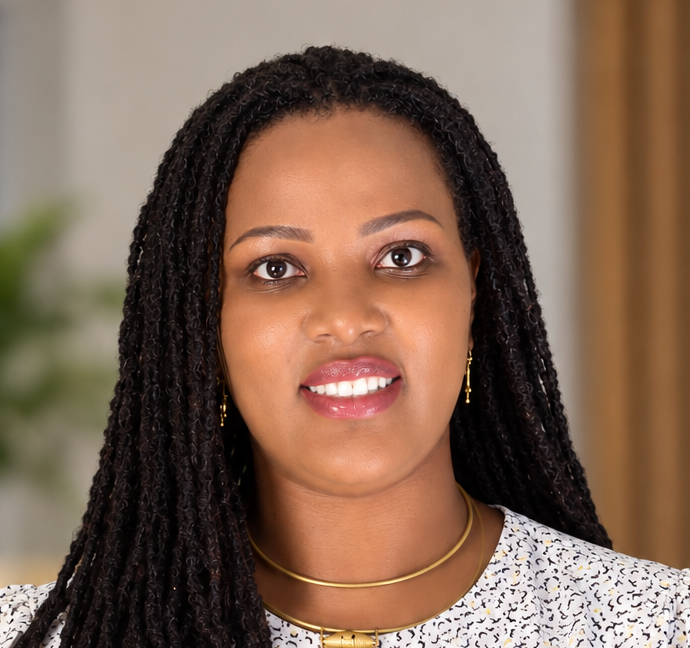
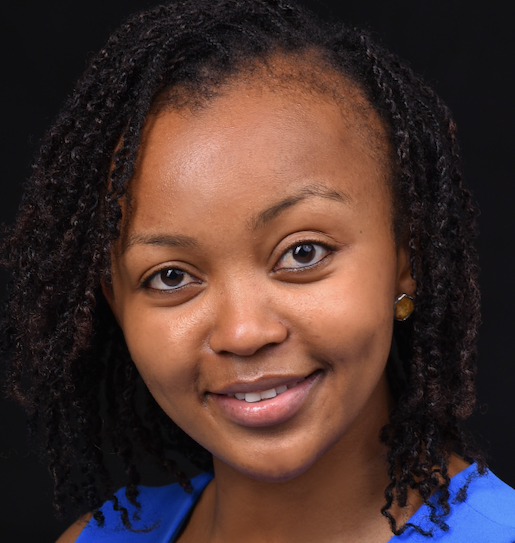
Sharon Kinyanjui, Team Lead, Communications at UN Women Kenya, is passionate about gender, inclusion and initiatives that support underserved communities. In this interview, she shares her career journey across advocacy and the development sector, drawing on more than a decade of experience.
What inspired you to pursue a career in Communications, particularly within the gender and development space?
I have always been fascinated by the power of stories to influence decisions, challenge perceptions, and create change. Early in my career, I realised that behind every policy, programme, or statistic are real people whose lives are impacted by those decisions.
My transition into the gender and development space happened when I began working with communities facing barriers to justice, economic opportunities, leadership, and inclusion. I saw first-hand how strategic communications could elevate unheard voices, influence policy conversations, mobilise partnerships, and drive action.
What keeps me motivated is knowing that communications can be a force for social transformation. Whether it is amplifying the stories of women entrepreneurs, young leaders, survivors of violence, or persons with disabilities, I view communications as a bridge between evidence, policy, and people.
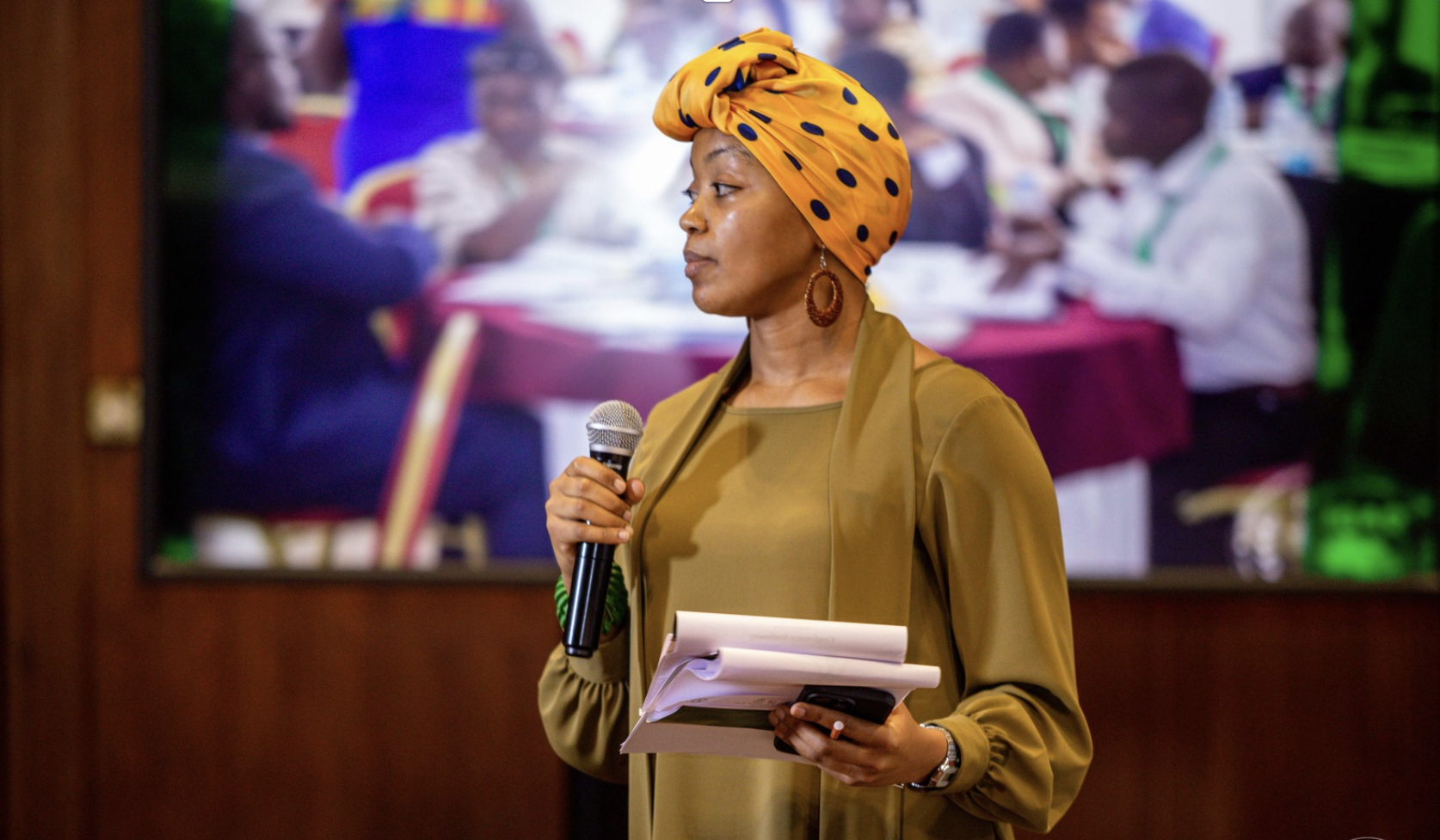
What does a typical day look like for you as Team Lead, Communications at UN Women Kenya?
No two days are ever the same.
A typical day involves a mix of strategic planning, leadership, stakeholder engagement, content development, media relations, partnership management, and providing communications guidance to programme teams.
I might begin the day reviewing visibility plans for advocacy campaigns, spend the afternoon supporting the launch of a report or high-level event, and end the day working with colleagues to craft products that demonstrate impact and results.
One of the most rewarding aspects of my role is translating complex development issues into compelling narratives that resonate with different audiences.
At its core, my role is about ensuring that important conversations and voices are seen, heard, and understood.
Can you tell us about a project or initiative that has been particularly fulfilling for you, and why?
One initiative that has been particularly meaningful to me was supporting the Supporting Inclusive Resource Development (SIRD) Project, implemented by the East Africa Law Society. The project sought to strengthen the participation and influence of women and communities affected by extractive industries across East Africa and beyond.
Through this work, I had the opportunity to engage with women living in mining and extractive regions whose lives had been significantly affected by issues such as displacement, limited access to information, exclusion from decision-making processes, unequal economic benefits, and environmental impacts associated with resource extraction.
What struck me most was that many of these women were directly affected by decisions about natural resources yet often had the least opportunity to influence those decisions.
My role involved supporting advocacy and communications efforts aimed at elevating their voices, documenting their experiences, amplifying their recommendations, and creating platforms where they could engage policymakers, industry actors, civil society organisations, and regional stakeholders.
Through stories, campaigns, publications, and stakeholder dialogues, we helped shift conversations from simply discussing resource development to examining who benefits, who is excluded, and how development can become more inclusive and equitable.
What made this experience especially fulfilling was witnessing women move from being passive observers to active participants and advocates for their rights and interests. Seeing their perspectives inform regional discussions and contribute to conversations on governance, accountability, inclusion, and economic empowerment reinforced my belief that communications is far more than telling stories; it is about creating visibility, influence, and meaningful change for people whose voices are too often overlooked.
It remains amongst the most powerful examples of communications driving social transformation.
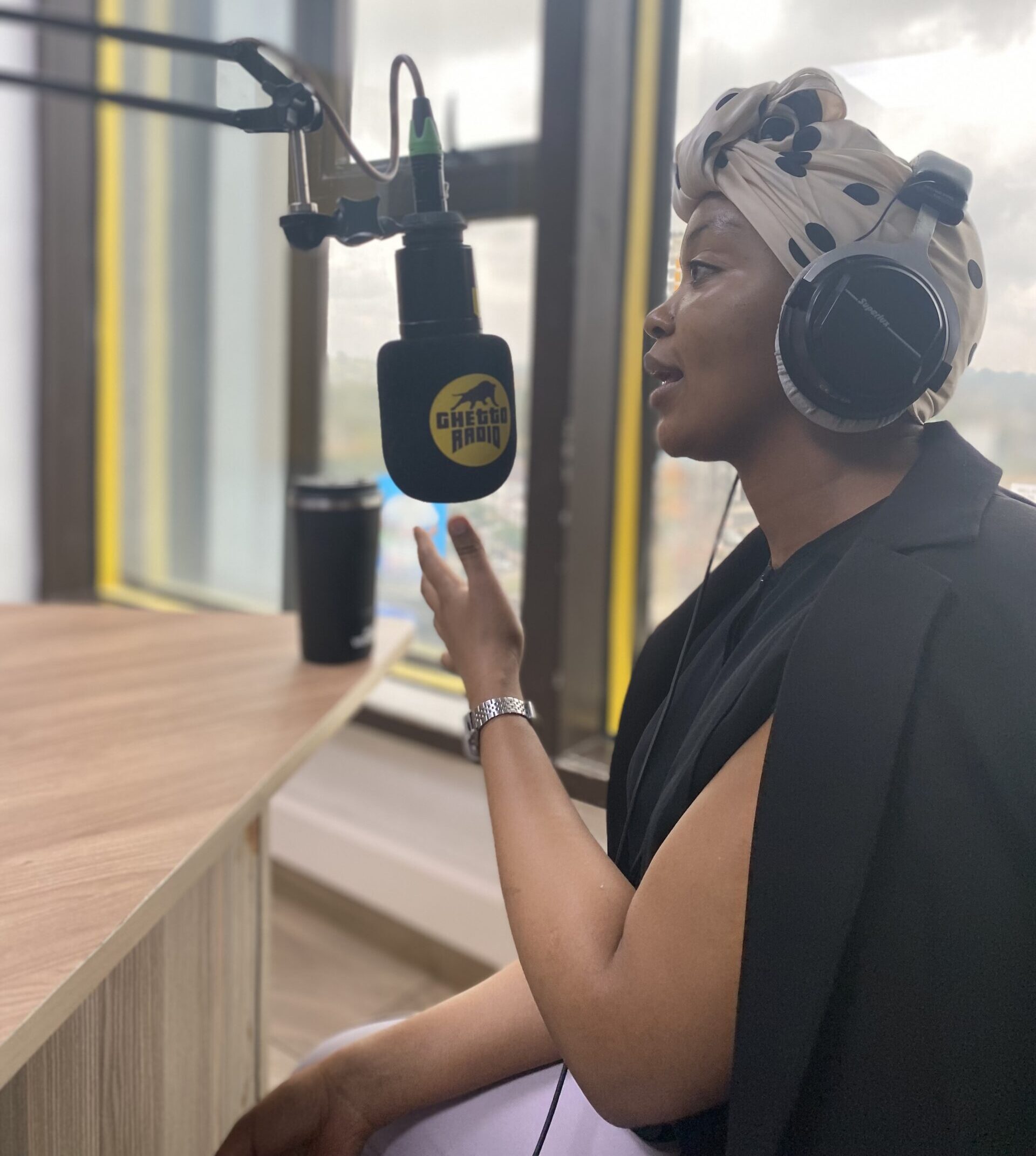
What is one thing you know now about communicating for social change that you wish you had understood earlier in your career?
I wish I had understood earlier that communications is not just about visibility; it is about influence.
At the beginning of my career, I focused heavily on outputs. Over time, I learned that what truly matters is whether communication contributes to changing perceptions, influencing decisions, strengthening partnerships, shifting policies, or inspiring action.
The most successful communications strategies start with understanding people, building trust, and listening deeply.
When people feel seen, heard, and respected, meaningful change becomes possible.
For communications professionals interested in working within the UN or other international organisations, what skills or qualities do you believe are most relevant?
Beyond strong writing and communications skills, I believe curiosity, adaptability, emotional intelligence, cultural sensitivity, strategic thinking, and relationship building are essential.
International organisations operate in complex environments where communications professionals engage with governments, development partners, communities, civil society, media, academia, and private sector actors. The ability to understand different perspectives and communicate across diverse audiences is critical.
The development landscape is constantly evolving, and the best communications professionals evolve with it.
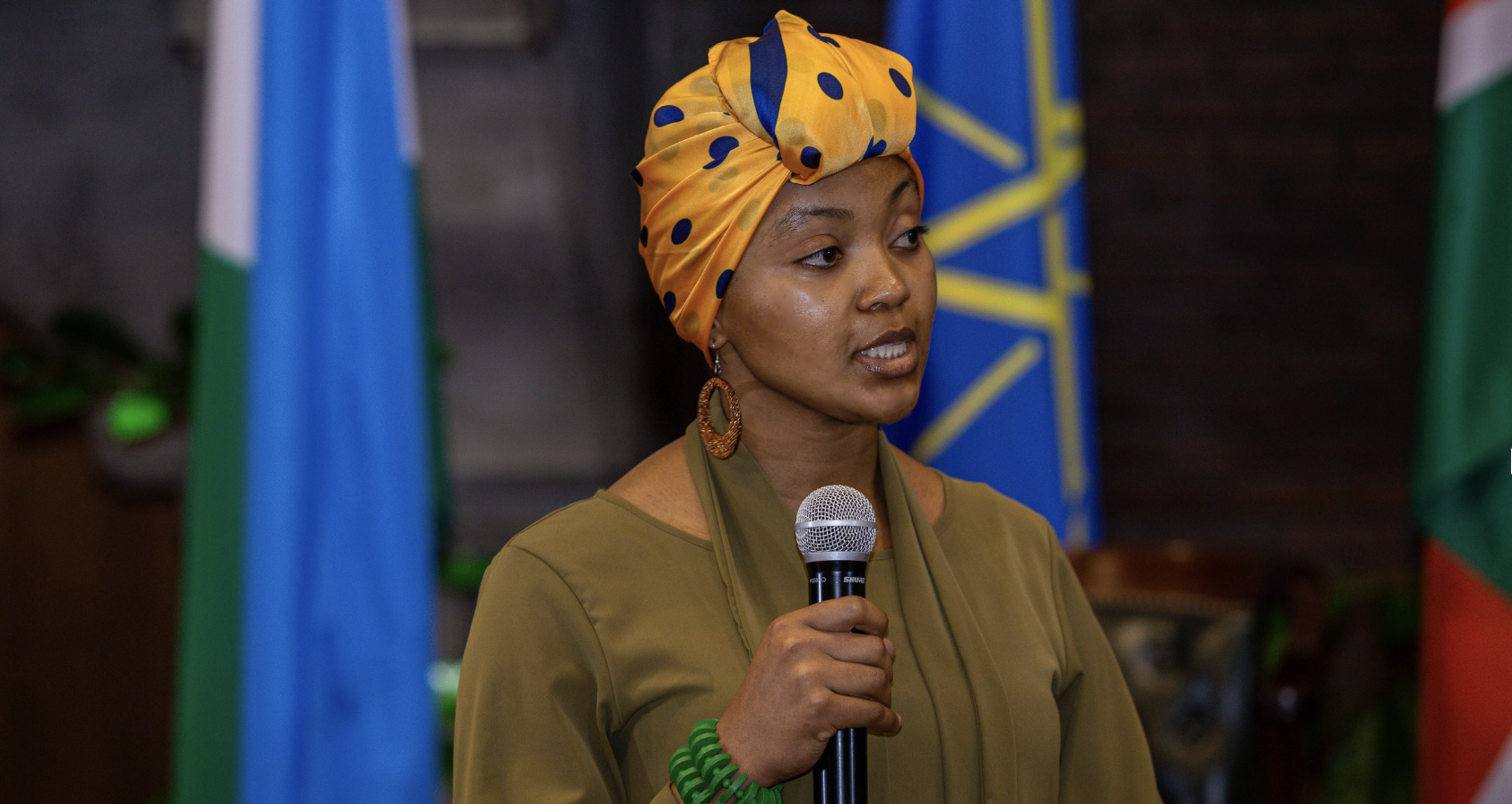
What book, publication, or newsletter do you regularly read and would recommend to young communications professionals?
I read widely across communications, leadership, policy, governance, technology, and global affairs.
A book I frequently recommend is Made to Stick by Chip Heath and Dan Heath. It provides practical lessons on why some ideas resonate, inspire action, and endure while others are quickly forgotten.
My final piece of advice is simple: read beyond your field. Great communicators are often great learners first.