“The things we’re good at and the things we’re built for aren’t always the same.”
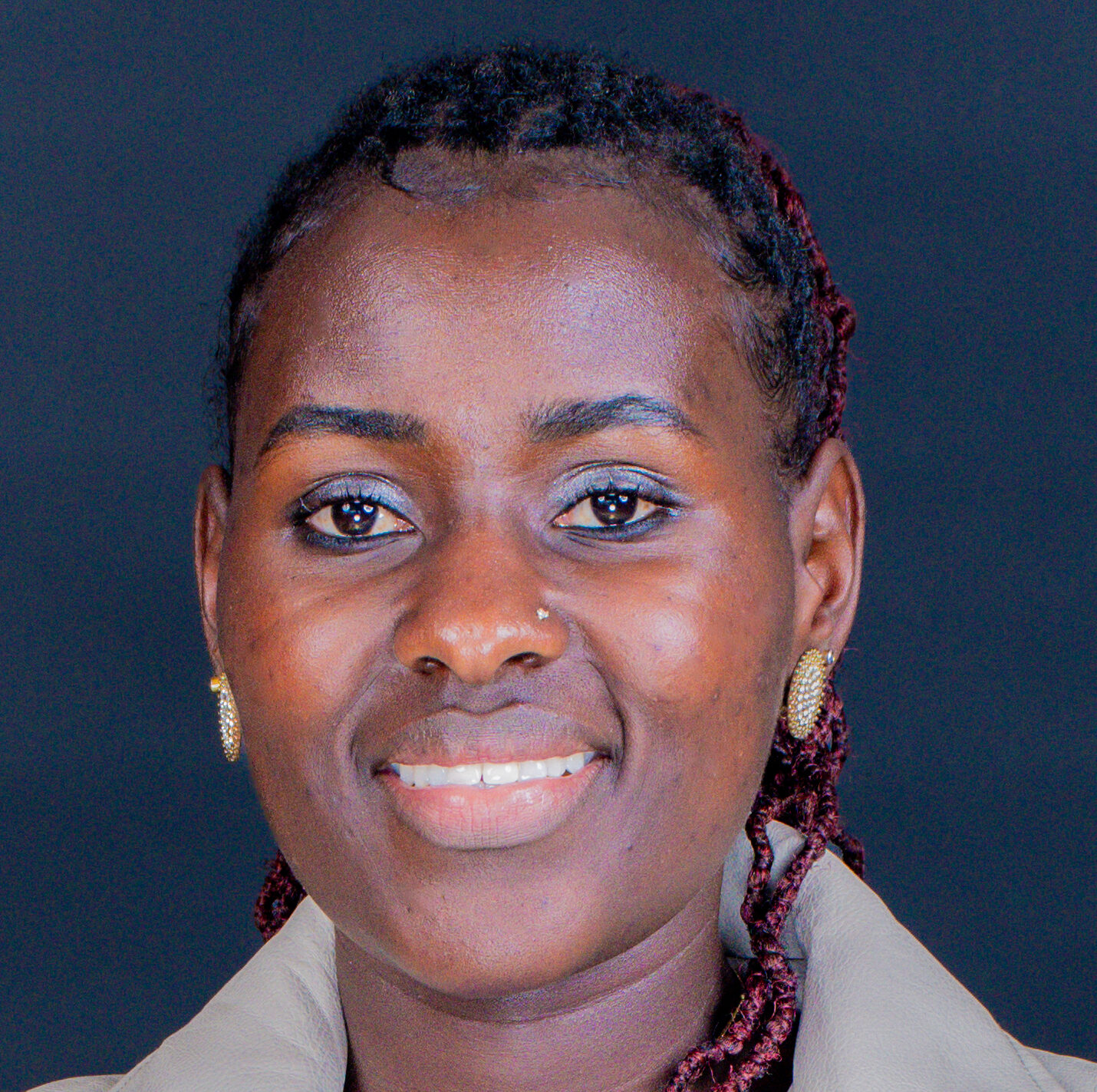
In this edition of Comms Spotlight, Christine Mutegi, Corporate Affairs and Communications Officer at KCA University, shares the story of how she found her way into communications, what her work looks like today, and the lessons she’s learnt about stakeholder management, continuous learning, and growing a career in communications.
What inspired you to pursue a career in Communications?
Funny enough, communications wasn’t my first choice. I was the kid who lived for mathematics and the sciences, the one who quietly assumed engineering was where I’d build an impactful career. I’d done well enough academically that this lane felt like a no-brainer, or so I thought. So, I applied for engineering courses and waited.
Fast forward, I was admitted to a Bachelor’s degree in Communication and Journalism at Moi University instead, and I didn’t fully accept it. I spent my first month attending engineering classes anyway, hoping to find my way there and clearly fooling no one, since I wasn’t even on the class list. Not that I had anything against communications; I just didn’t yet see it as a profession that could build the kind of impact I was after.
After four weeks of calculus, linear algebra, and electrostatics, one of the lecturers caught wind of my situation, sent me to the dean, who explained that the class had reached its intake quota and referred me to the university’s career guidance manager. I secured an appointment with her, hoping to talk her into recommending my transfer to the School of Engineering.
What changed things was a conversation, not a calculation. She took me through questions about how I thought, what energised me, and what I noticed in a room. That conversation is the reason I’m in communications today, and I haven’t looked back once.
I think about that month often. It taught me early that the things we’re good at and the things we’re built for aren’t always the same, and that the people who can see the difference before we can are worth listening to.
What does your day-to-day work as a Corporate Affairs and Communications Officer involve?
Some days it’s strategic, sitting with leadership to shape the institution’s image, reputation, and thought leadership. Some days it’s deeply operational, coordinating events, managing budgets, or addressing a risk before it develops into a crisis. And some days it’s pure improvisation, coordinating content with students who are convinced every post deserves to go viral by Friday.
What ties it all together is translation. I spend a lot of my time converting dense academic research into narratives donors actually connect with, turning institutional risk into calm, accurate messaging, and bringing the team’s efforts together under one consistent brand voice across very different platforms. The constant is that I’m usually negotiating between what’s true, what’s strategic, and what people are actually ready to hear.
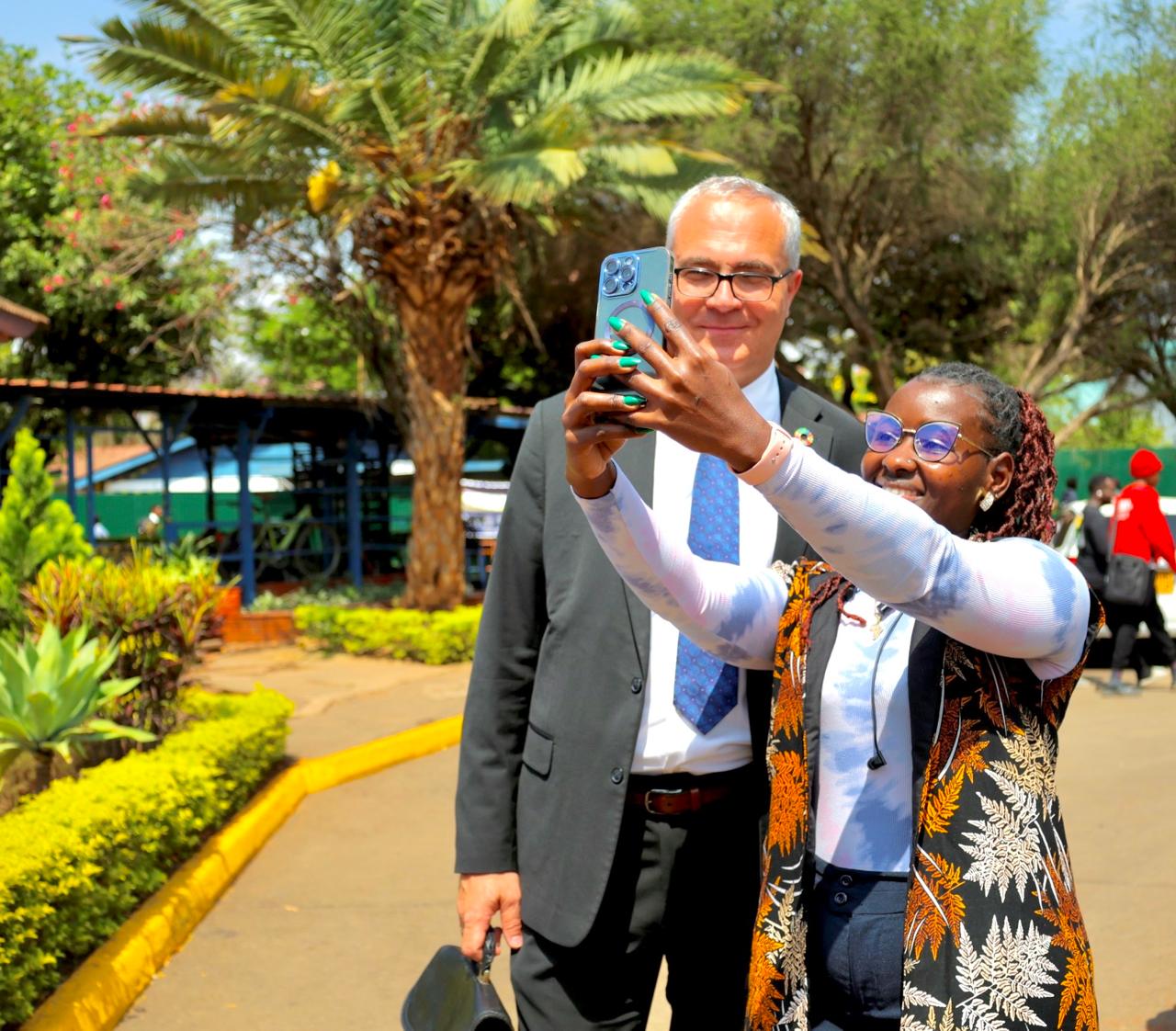
How do you balance stakeholder expectations while protecting and strengthening your organisation’s reputation?
It’s more sequencing than balance. The power-interest matrix is my compass. Not every stakeholder needs the same thing at the same time, and trying to satisfy everyone simultaneously waters down the impact of your communications. It’s the communications equivalent of answering, “No worries either way,” to a question that actually needed a decision.
Reputation isn’t managed by saying the same thing to everyone. It’s managed by saying the right thing to the right person, in the right format, through the right channel, at the right time.
Can you tell us about a project that has been particularly rewarding for you?
Humanising research for societal impact. For years, the default had been academic: statistics, methodology, data tables. Necessary, but not moving. So, I made the case for shifting our donor communications entirely towards human-centred impact stories: the actual students, the actual communities, and the actual lives behind the numbers.
The real reward is watching donors who’d read a hundred funding decks suddenly lean forward because they were hearing a story instead of a statistic. People don’t fund spreadsheets; they fund stories they can see themselves in.

What skills do you believe are most important for success in Corporate Communications today?
Three, in particular. First, technical translation. The ability to take something complex and make it accessible without making it shallow is currency. That might mean turning a 40-page climate report into three captions that a 19-year-old would actually stop scrolling for.
Second, crisis management with composure. Communications under pressure is where reputations are truly won or lost, and that requires a clear head as much as a clear message.
Third, adaptability, especially when it comes to AI tools. The communicators who’ll thrive aren’t the ones resisting these tools, but the ones learning to use them without losing the human touch that makes storytelling trustworthy.
If you could advise yourself at the start of your career, what would it be?
Trust the detour, even when it doesn’t look like progress yet.
I think back to that month I spent sitting in engineering classes I wasn’t admitted to, certain I’d made a mistake by ending up in communications. If I could speak to that version of myself, I’d say: the discomfort of being somewhere unfamiliar doesn’t mean you’re in the wrong place. Sometimes it just means you haven’t met the people yet who’ll help you see why you’re there. Stay long enough to find out.
I’d also tell her that the technical mind she thought she was leaving behind would still serve her. It shows up now every time she translates climate research for a national policy audience or builds a budget spreadsheet that funds a capacity-building programme. Nothing about that early instinct towards logic and structure was wasted. It simply found a different language to work in.