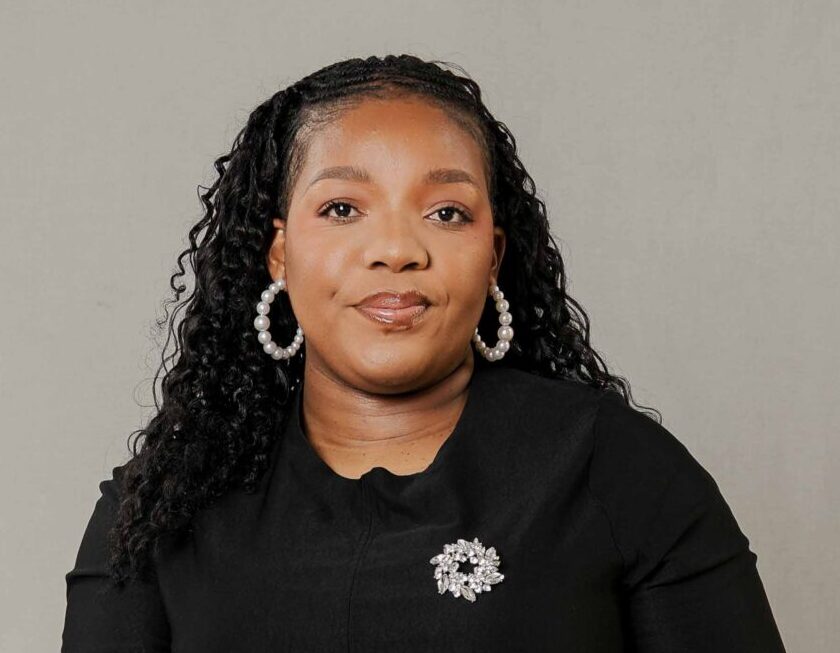
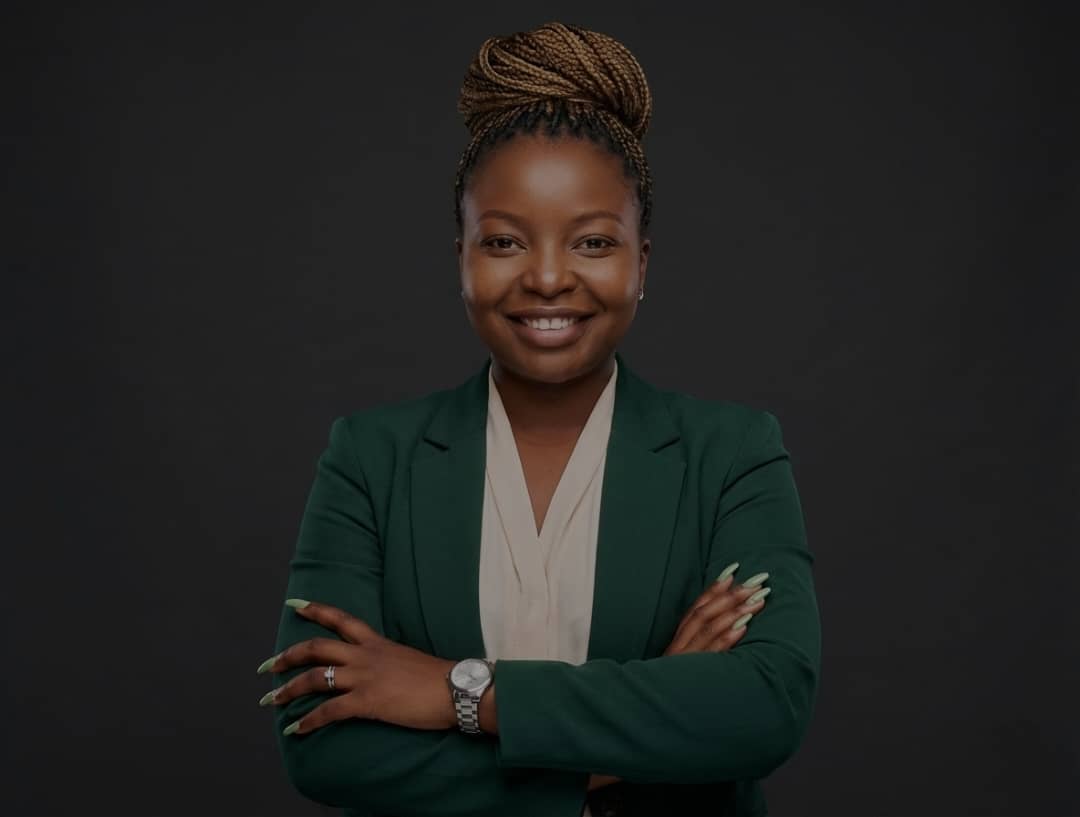
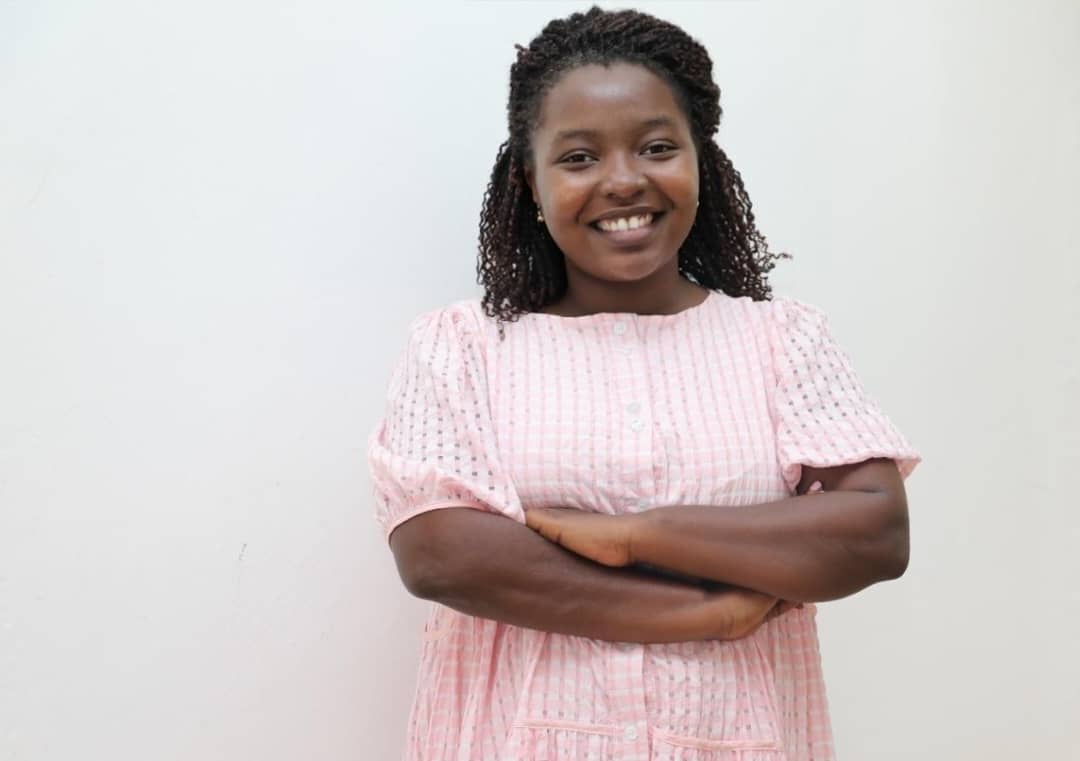
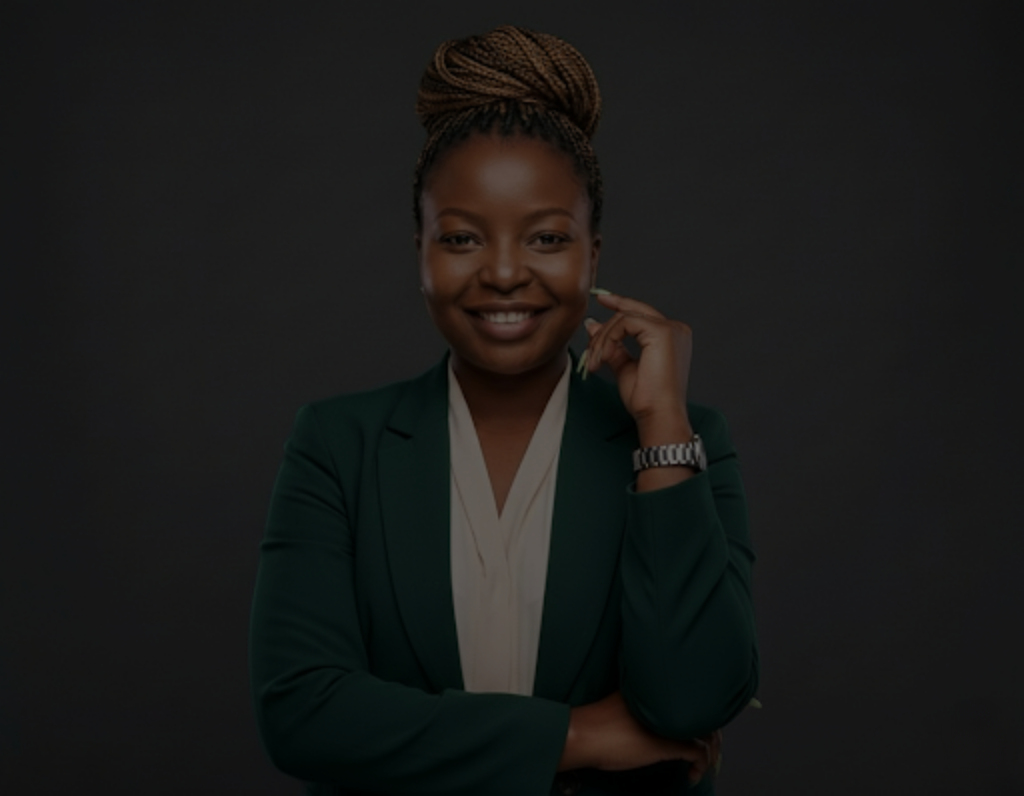
This week on the Comms Spotlight series, we feature Nuru Ngailo, Regional Communications Officer at the African Society for Laboratory Medicine. Nuru’s journey into Communications did not begin with a job title, it began with writing. In this conversation, she reflects on moving from Law to Communications, finding purpose in social impact work, and using storytelling to influence policy, shape advocacy, and centre people in complex conversations. She also shows what’s possible when building a career in Science and Health Communications.
How did you begin your career in Communications?
My journey into communications started long before I knew there was a profession called “communications.”
I grew up in a Swahili-medium school and later moved to an English-medium primary school. My English was rough, and I struggled to keep up. Our English teacher was a German lady with a very simple but powerful exercise: she would bring newspaper photo clippings and ask us to write a story about what we saw. My grammar was far from perfect, but I absolutely loved those exercises. She loved my stories so much that she would read them aloud to the whole class and constantly tell my mother, “Nuru is a talented writer.” At that age, I didn’t really understand what that meant, I just knew I felt happy when I was writing.
In secondary school, I saw a SADC essay competition advertised and immediately thought of that teacher. I decided to “test her theory” and submitted an essay. Months later, I was selected as the winner in Morogoro region and second runner-up nationally. I was amazed. It was the first time I realised that my words could travel further than I did.
Interestingly, I went on to study law. I imagined myself in courtrooms, not newsrooms. But the writing thread never left. In 2011, fresh from my law degree, I interviewed for a communications position at Policy Forum, a network of over 100 non governmental organisations seeking to promote good governance and accountability in Tanzania. I was the only candidate straight from university, sitting among people with years of experience. It was my first oral interview, and I was incredibly nervous.
Thankfully, they also had a written component. My oral interview results were not impressive at all but the director later shared that the moment he read my written piece, he knew I was the right candidate. That written assignment opened the door to my first role in communications.
Once I started the job, something clicked. I felt at peace, energised and strangely “at home.” I knew this was more than a job; it was purpose. That’s when I decided to pursue a master’s in Mass Communications to seal the deal and fully commit to the path I felt I was ordained to walk and later worked for other bigger organisations such as Amref Health Africa in Tanzania, Elizabeth Glaser Pediatric AIDS Foundation (EGPAF) and now African Society for Laboratory Medicine (ASLM).
Tell us about your role as the Regional Communications Officer at African Society for Laboratory Medicine (ASLM). What does a typical day look like for you?
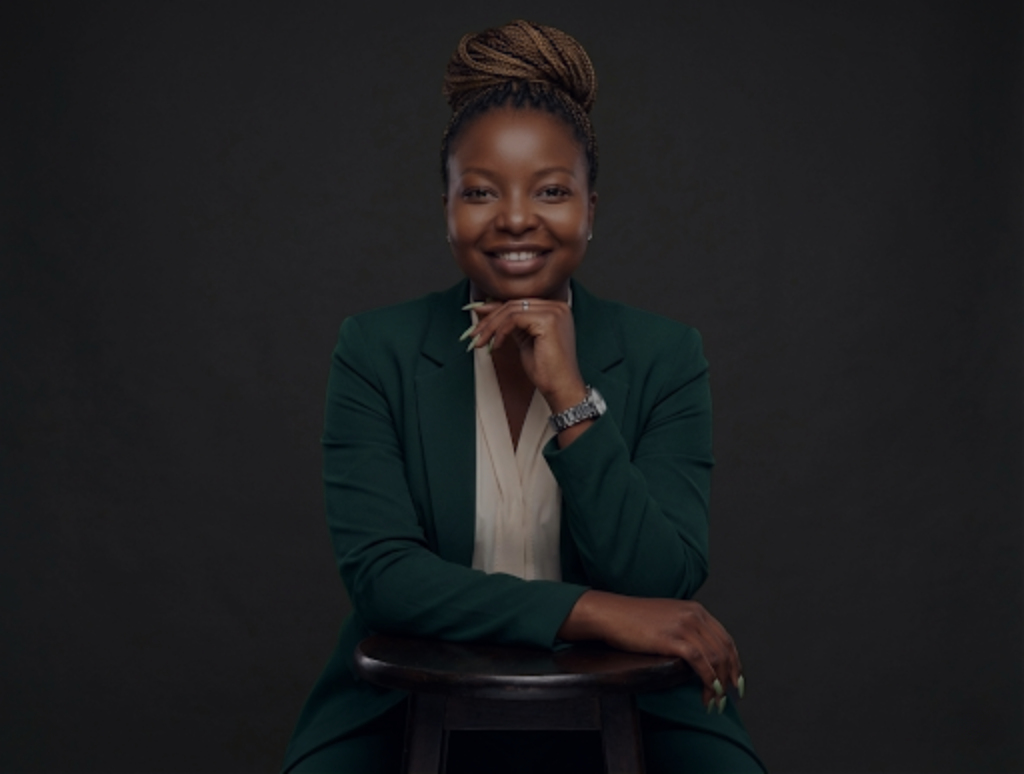
I currently serve as Regional Communications Officer (Advocacy & Stakeholder Engagement) at the African Society for Laboratory Medicine (ASLM), a pan-African organisation working across more than 45 countries to strengthen laboratory systems. In simple terms, my role is to make sure the incredible, often invisible work happening in laboratories across Africa is seen, understood, and supported.
I refine and implement regional communication strategies, manage content for social media, newsletters, and press releases, and coordinate media engagement around ASLM events. I also support internal communications so that our teams, partners, and member countries are aligned and informed, and I help drive regional advocacy efforts that position laboratory systems as a core pillar of strong health systems.
There is honestly no “standard” day at ASLM and that’s what I love about it. One day I might be live-tweeting from a high-level lab conference, drafting key messages for an advocacy brief and coordinating interviews between journalists and our experts. Another day I could be coaching colleagues on communication best practices, reviewing designs for a campaign, or planning how to translate complex technical language into stories that a non-technical audience can relate to.
For me, ASLM is a dream job: it stretches me, keeps me learning, and allows me to work with brilliant people from different countries, all towards a shared goal of better health for Africans.
What are some of the biggest challenges you’ve faced on your career journey and how did you overcome them?
One of my earliest challenges was shifting from law into communications. On paper, it looked like I was abandoning my field. In reality, my legal background became one of my greatest assets. Understanding policy, rights, and governance helped me become a stronger advocacy communicator especially in roles where I had to translate complex policies into messages that communities and decision-makers could relate to. Once I saw how the pieces fit together, I stopped apologising for my non-linear path and started using it as my unique value.
Stepping into regional roles, like my time at EGPAF supporting communications, advocacy and partnerships for Tanzania and 18 other African countries, was another leap.
Suddenly, I wasn’t just thinking about one country’s context, but many. I overcame that by listening more than I spoke, respecting local expertise, and treating every interaction as a learning moment. Over time, the fear turned into fuel, a reminder to stay humble, curious and prepared.
Over your decade-long career, you’ve worked on various social impact and health-focused initiatives. Tell us about a campaign or project that you’re particularly proud of, and what made it successful.
One campaign that is very close to my heart is Amref Health Africa’s “No More Pain” campaign against female genital mutilation (FGM), which I pioneered on social media while working there.
FGM is a deeply sensitive issue – it’s about culture, identity, power, and pain. We knew that if we didn’t handle it thoughtfully, we could either trigger backlash or, worse, silence the very girls and women we wanted to support. So instead of leading with statistics alone, we chose to centre stories: stories of survivors, of brave community champions, of fathers and elders choosing to protect their daughters, and of alternative rites of passage that honoured culture without harm.
We designed the campaign to be bold but respectful. We used simple, emotionally resonant language, powerful visuals, and clear calls to action. We engaged young people and influencers as allies, making them co-owners of the message rather than just “targets.” We also ensured the online campaign connected back to real community work on the ground, so that awareness could translate into action.
The response was overwhelming. “No More Pain” gained significant traction and visibility, sparking conversations on and offline. One of the proudest moments of my career was seeing the campaign’s approach and messaging reflected in the Tanzanian Ministry of Health’s national FGM policy. Knowing that something we built in the communications space helped shape a national stance on protecting girls and women was a powerful reminder of why I do this work.
What made it successful? A combination of things: grounded community insight, strong partnerships, leadership support, clear messaging, and a willingness to let those most affected lead the narrative.
If your communications journey were a book or a movie, what would the title be and why?
I think the title would be: “Writing My Way into Purpose from Statutes to Stories.”
“Writing” speaks to how writing has been a constant thread in my life- from primary school story exercises to essay competitions, to the written interview that literally got me my first job in communications.
“Purpose” is what this journey feels like. I didn’t accidentally land in communications; all the small signs – my teacher’s encouragement, the SADC essay win, the initial sense of peace I felt with my first job at Policy Forum – pointed me here.
And “From Statutes to Stories” captures the transition from law books and legal texts to human-centred narratives and advocacy. My legal training taught me to respect structure, rights and systems; communications gave me the tools to translate those structures into stories that move people to act. Together, they shaped the communicator I am today.
What advice would you give young professionals eager to build their careers?
- Your degree is a foundation, not a prison.
Don’t be afraid if your career takes a different turn from what you studied. Skills, values and curiosity travel well. My law background didn’t “go to waste” – it made me a stronger communicator. - Treat writing as a muscle.
Whether you’re in communications or another field, your ability to write clearly will open doors. Practice often: journaling, blogging, reports, social media captions, it all counts. The more you write, the more confident you become. - Start where you are, with what you have.
My English was not perfect when I started, but I showed up, tried, and improved. You don’t need to be flawless to be impactful; you just need to be willing to learn and to show up consistently. - Invest in relationships, not just skills.
Mentors, colleagues, and partners have shaped my journey as much as any course or degree. Be respectful, be reliable, and be the person people are happy to recommend when an opportunity comes up. - Believe in Something
For me my faith in God has really been a cornerstone in lifting me up even when bad days come, and helped me to be patient and resilient. Remember who you are doing it for. Let that guide your decisions and keep you grounded.