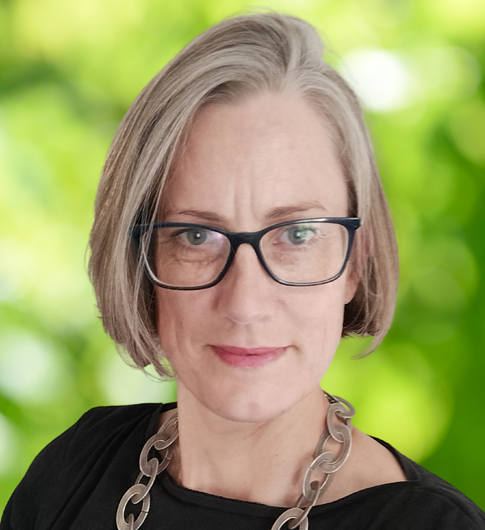
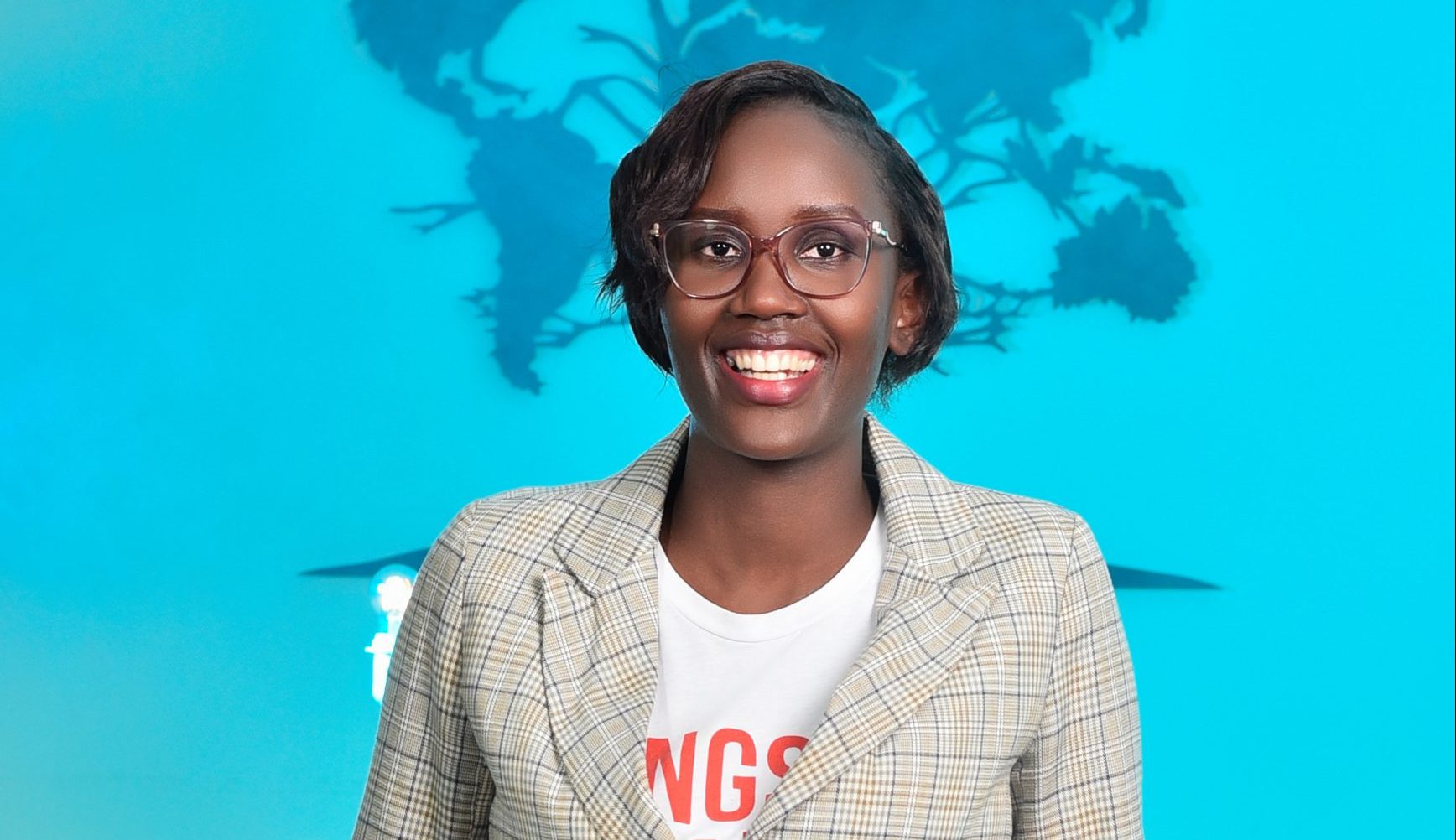
This week on Comms Spotlight, we meet Sarah Kaminja, a Kenyan communications leader who’s built her career by refusing to fit into one box—moving from brand executive to campaign manager to Head of Digital Communications. She talks honestly about one of the toughest parts of our work: getting people to see that communications isn’t just ‘nice to have.’ Sarah also shares advice for young professionals and insights from her journey in communications.
How did your journey into Communications begin? How have you grown over the years?
I can’t really pinpoint when exactly I developed a passion for communications; it feels like I was born with it.
When I was in primary school, I would MC school events, give the vote of thanks at various gatherings, and my teachers would always refer to me for all matters of public speaking. Same thing in high school, from debate clubs to language symposiums, I was always communicating.
I have been an avid reader all my life, from newspapers and storybooks in primary school to all sorts of books, articles, papers, journals, and so on as an adult. I joined a university here in Kenya for my degree in Mass Communications and never looked back.
I have, however, had diverse roles in my career; my diversity is one of my strongest suits as a professional communicator.
My first role was a brand executive, which grew into a campaign and community manager. This developed and sharpened my brand management, campaign management, and community-building skills. This role also taught me the power of digital communication, especially in community building.
I learnt how to create stories for multiple audiences early on in my career, learnt how to see the strength in communication with different audience segments in mind, and adapt accordingly.
What does a typical day look like for you as a Communications Specialist?
At this point in my career, my role is more strategic. I start the day off by looking at any issues or concerns that require rapid response, which could be either internally or externally. It ranges from team updates and catch-ups to media monitoring and social listening. This will determine how my mornings go.
I address urgent concerns and align on all projects, campaigns, etc. Project briefs, campaign briefs, concept notes, proposals, editorial calendars, content roadmaps, and so on take much of my time. Concept development to full-on execution in collaboration with my team and other stakeholders is also a huge part of my day-to-day.
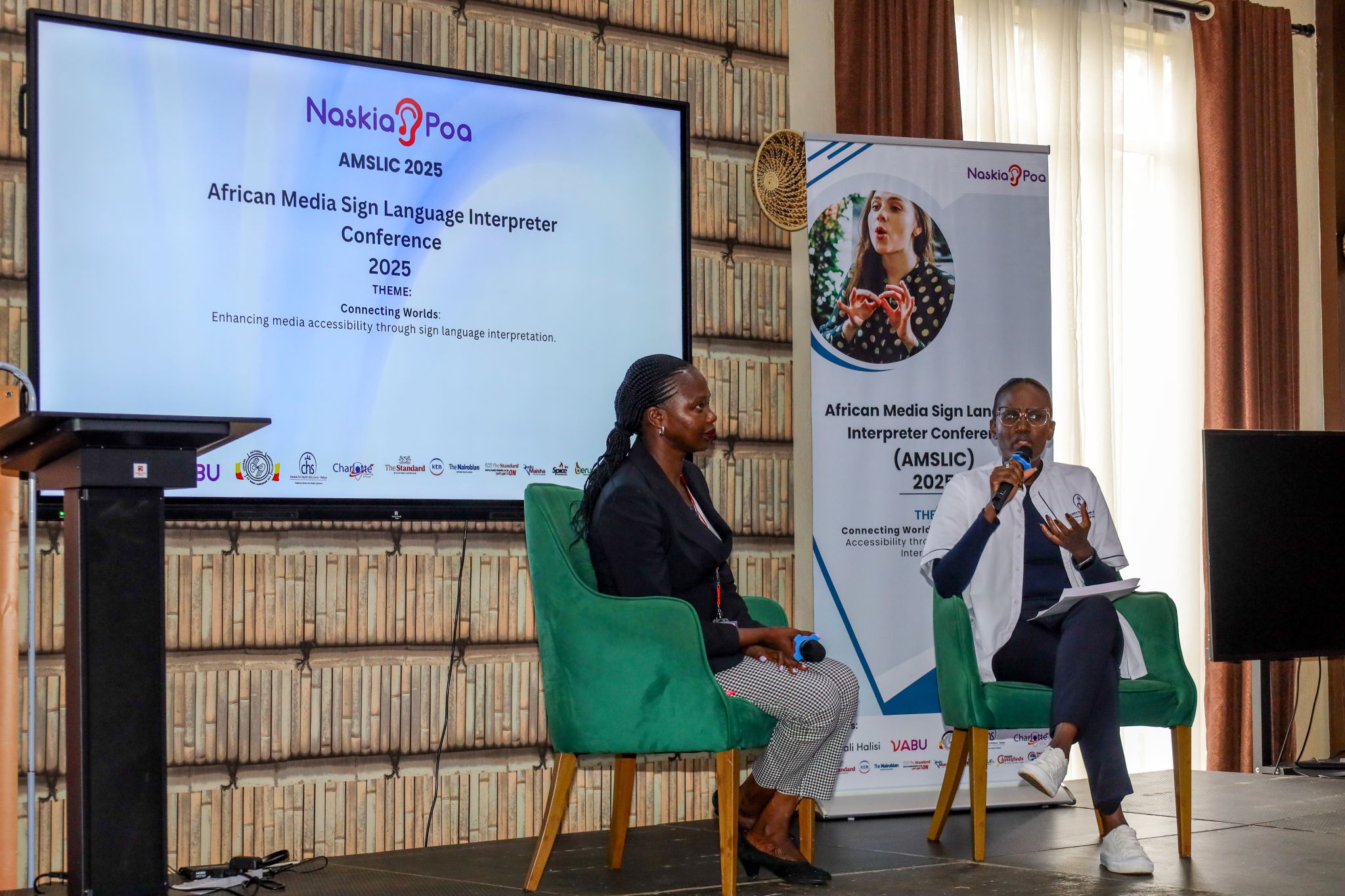
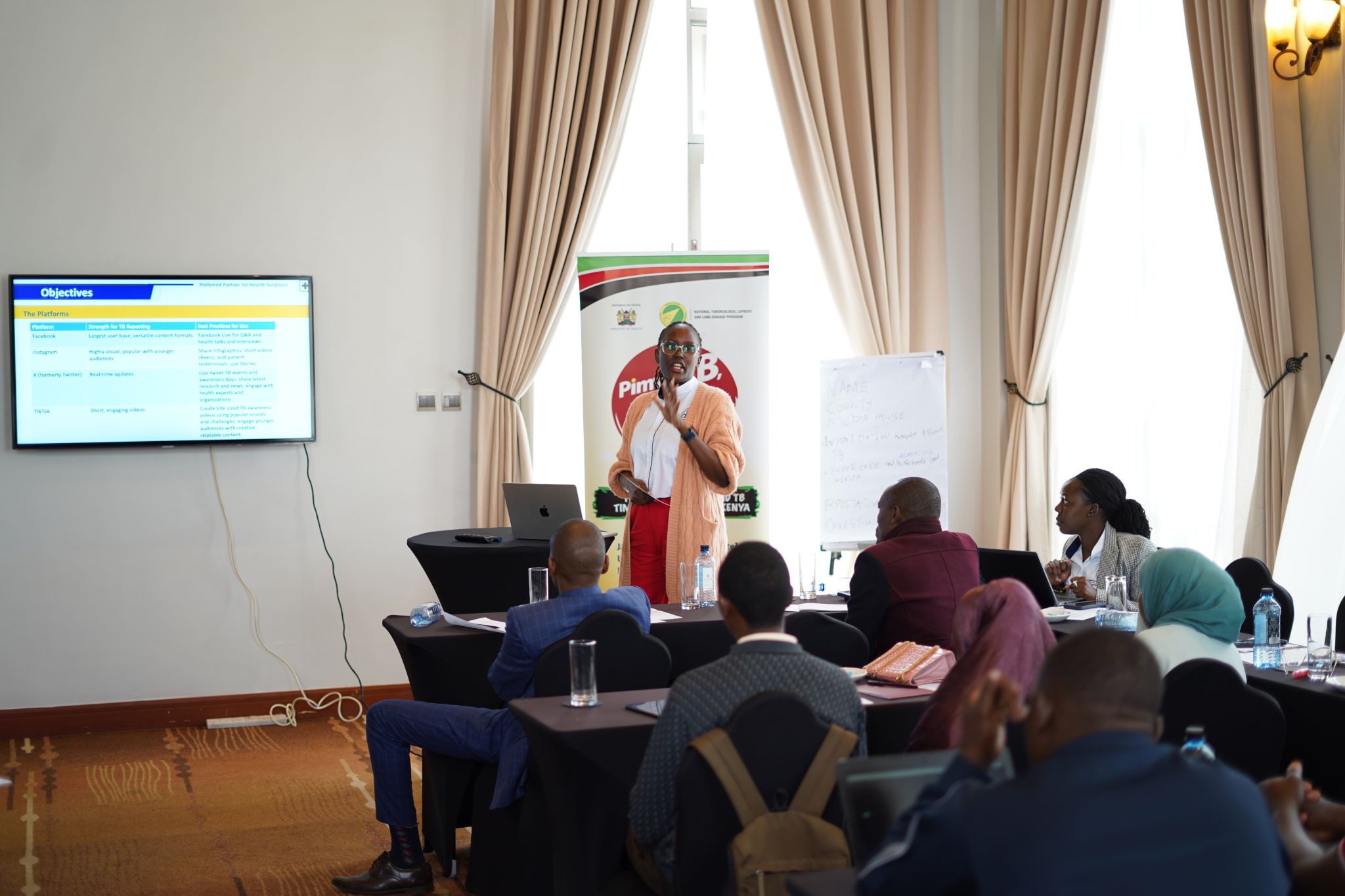
Sometimes I spend a full day on set for a commercial production, work until late at night preparing for an event, a few hours media briefing, training journalists on how to cover certain stories, or spend time in meetings for strategic direction. My days are never really the same.
Tell us about a project or achievement you’re particularly proud of as a Communications professional.
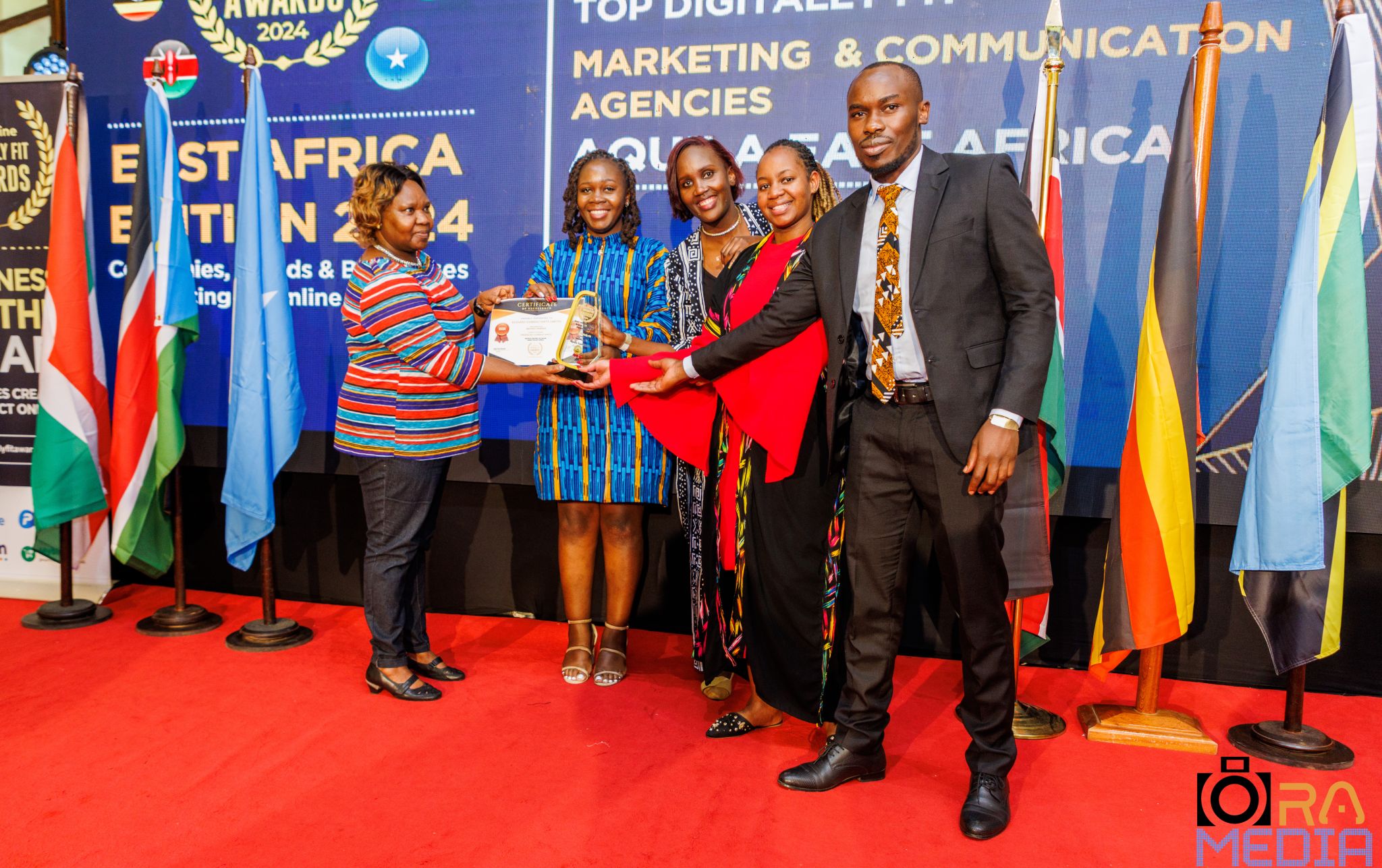
I have the privilege of working on so many projects and campaigns. The one that stands out right now was conceptualising, developing, and executing a high-impact rebrand event for Aquila East Africa, a marketing and communications agency.
Although I was new to my role as Head of Digital Communications, I rose far beyond the expectations of digital communication, taking full ownership of the rebrand from ideation to execution. I developed the core creative concept, oversaw the production and event design process, and curated an unforgettable experience for the agency, its clients, and partners.
It stands out because it was the first time overseeing something of that magnitude, and it shaped how I go about curating events and experiences, something I really enjoy doing.
Tell us about a challenge you’ve faced on your professional journey and how you overcame it.
As a communications specialist, one of the biggest challenges I’ve faced is helping people truly appreciate the value of communication and the expertise behind our work. Communications appears simple on the surface, it is often underestimated or dismissed, and many assume they already understand it instinctively.
As a result, communications teams are frequently the first to face budget cuts or reduced activities, despite the strategic importance of our role.
Over time, I’ve learned to address this challenge by simplifying my explanations to key stakeholders, clearly demonstrating the power of storytelling, brand visibility, and cohesive communications efforts. I emphasise how strong communication not only keeps an organisation top-of-mind for its audiences but also contributes directly to long-term sustainability.
It’s an ongoing battle, but one I’m committed to fighting, because I know the transformative impact that effective communication can have.
What’s one thing you’re currently learning about Communications?
This isn’t a new concept; it’s been around from the beginning of time. Authenticity and trust are powerful brand currencies.
We live in a time where audiences are empowered and have access to all sorts of information. Avoid over-curating as authenticity builds stronger brands. It is simple yet easy to overlook. Chasing perfectionism can be harmful to the brand. Humanise your communication, because people are at the very core of communication.
What advice would you give your younger professional self?
Your strength lies in your diversity. The drive you have to never fit into a box is one of your greatest assets. Keep trying new things, that’s how your skills grow.
You have a rare ability to connect with different audiences and seamlessly shift from product storytelling to brand building, to human-interest and impact narratives. This versatility is unmatched, so nurture it. And keep speaking up, your voice is shaping your public-speaking strength, and you’re going to need it.