How did you get started in the field of communications?
My journey into communications began with a deep passion for storytelling and public engagement. From early on, I was fascinated by how information shapes public opinion and influences the way people think, make decisions, and interact within society.
At the beginning of my career, I had opportunities to work closely with media platforms and community-based initiatives where communication played a vital role in raising awareness and connecting people to important social issues. These experiences opened my eyes to the power of responsible communication and the critical role the media plays in informing, educating, and empowering the public.
As I continued to grow professionally, my interest in communication expanded into public relations, media engagement, and strategic communication. I became particularly interested in how communication can be used as a tool for behaviour change, helping communities understand key issues, shift perceptions, and make informed choices that improve their lives.
What does your role at the Media Council of Kenya entail? How do you spend a typical day?
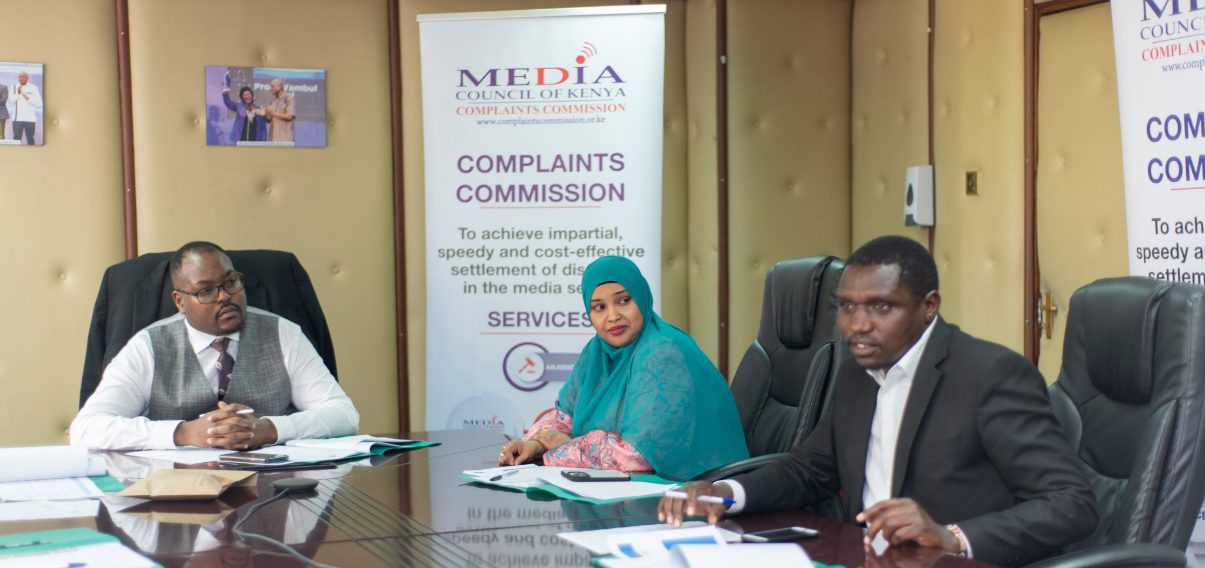
As a Commissioner at the Media Council of Kenya, my role primarily involves overseeing the mediation and adjudication of disputes between the government and the media, between the public and the media, and sometimes within the media itself, particularly on matters relating to journalistic ethics.
A key responsibility is ensuring adherence to the Code of Conduct for the Practice of Media in Kenya, which guides journalists and media houses on professional and ethical standards. Through this work, I help ensure that complaints against journalists and media enterprises are handled in an impartial, fair, speedy, and cost-effective manner without fear or favour.
My work also includes reviewing complaints filed against media organisations, examining evidence and case files, and guiding decisions that uphold fairness, accountability, and responsible journalism.
On a typical day, I review case files, analyse relevant case law and precedents, and participate in Commission meetings where we deliberate on ongoing matters. I also contribute to policy discussions on other platforms that help strengthen ethical journalism and promote a responsible media environment in Kenya.
Beyond the formal proceedings, the role requires thoughtful engagement with emerging media issues and a strong commitment to protecting both press freedom and the public interest.
What inspired you to move into the regulatory and ethical side of the media as a Commissioner?
My motivation came from the belief that strong and ethical media is essential for democracy and public trust. While communication professionals often focus on messaging and reputation management, the ethical framework that governs how information is shared is equally important.
Serving in a regulatory capacity allows me to contribute to safeguarding the integrity of the media. It also provides an opportunity to ensure that journalism remains fair, accurate, and accountable to the public it serves.
Being part of this process is meaningful because it helps strengthen the credibility of the media and protects the public from misinformation and unethical practices.
How do you stay updated on media ethics and standards in an era of rapid information flow?
Staying informed requires continuous learning. I regularly engage with industry reports, global media discussions, and policy developments related to journalism and communication.
I also participate in professional forums, workshops, and dialogues with media practitioners, regulators, and academics. These interactions provide valuable insights into emerging challenges such as digital misinformation, AI-generated content, and the evolving role of journalists in the digital age.
Equally important is listening to practitioners in the field because the realities of newsroom work often shape how ethical standards are applied in practice.
What is one professional challenge you’ve faced in your journey through the media landscape, and how did you handle it?
One challenge in the media and communications space is balancing public expectations, media freedom, and accountability. Media issues can often be highly sensitive and attract strong public reactions.
In such situations, I have learned that the best approach is to remain guided by principles, evidence, and fairness. Decisions must be grounded in established ethical standards and due process rather than external pressure.
Maintaining transparency and focusing on the broader public interest helps ensure that the integrity of the process is preserved.
What advice do you have for comms professionals and journalists about the importance of ethics in their careers?
Ethics should never be treated as an afterthought; it should be the foundation of every communication decision.
For journalists and communications professionals, credibility is your most valuable asset. Once trust is lost, it is very difficult to rebuild. Always prioritise accuracy, fairness, and responsibility in the information you share.
I would also encourage young professionals to remember that communication has a real impact on people’s lives and society. Practising ethical communication not only protects your professional reputation but also strengthens the credibility of the entire industry.