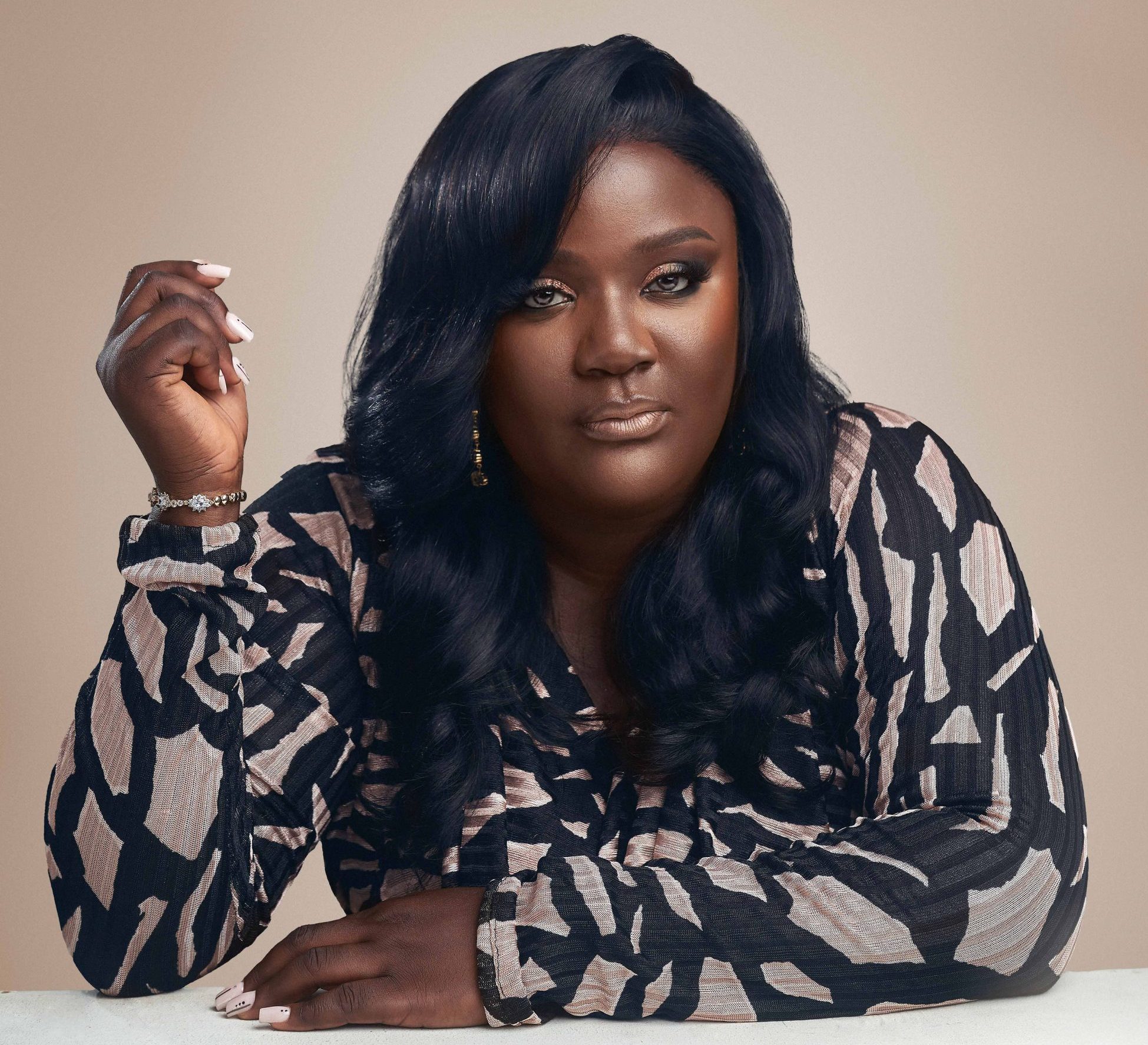
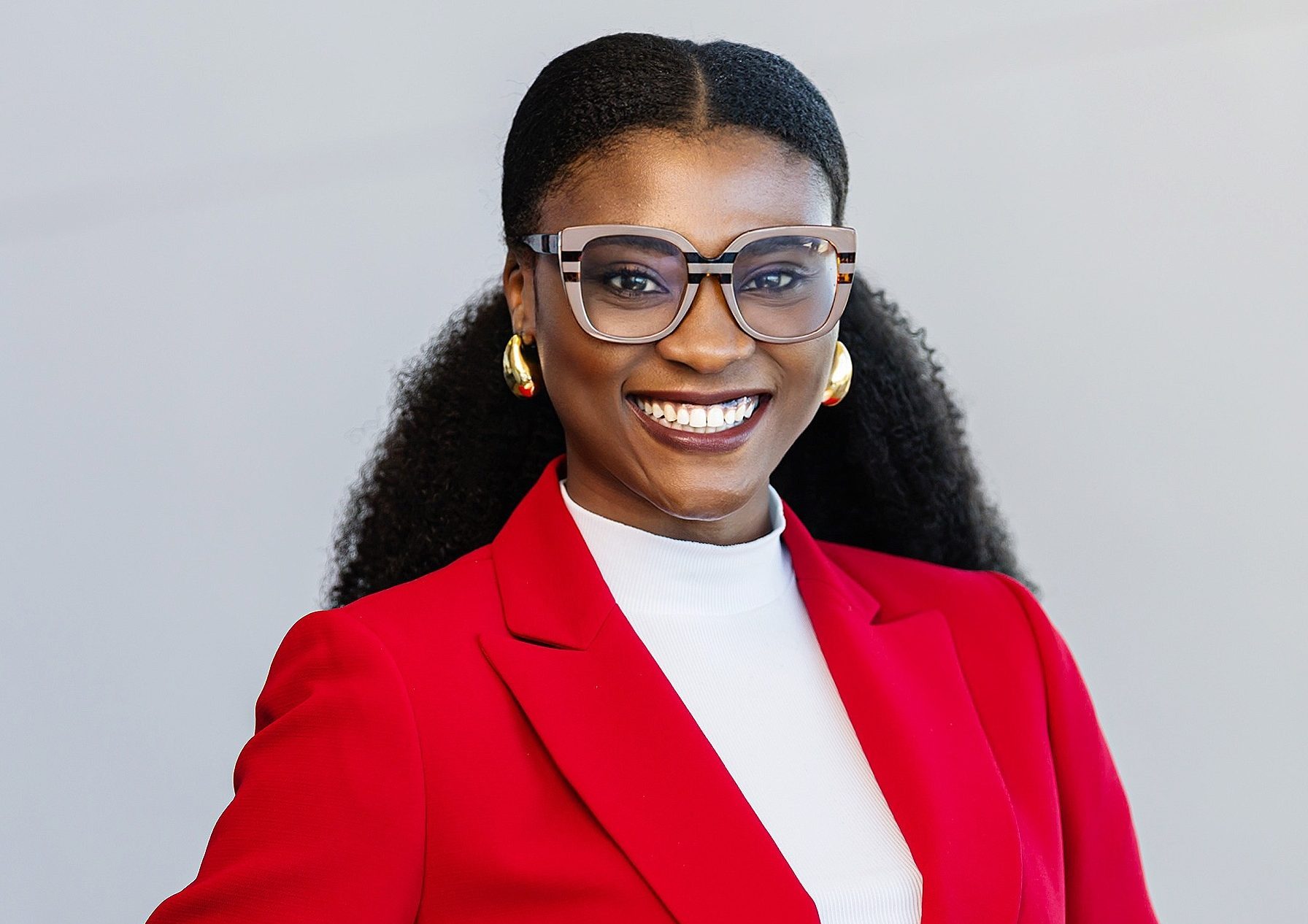
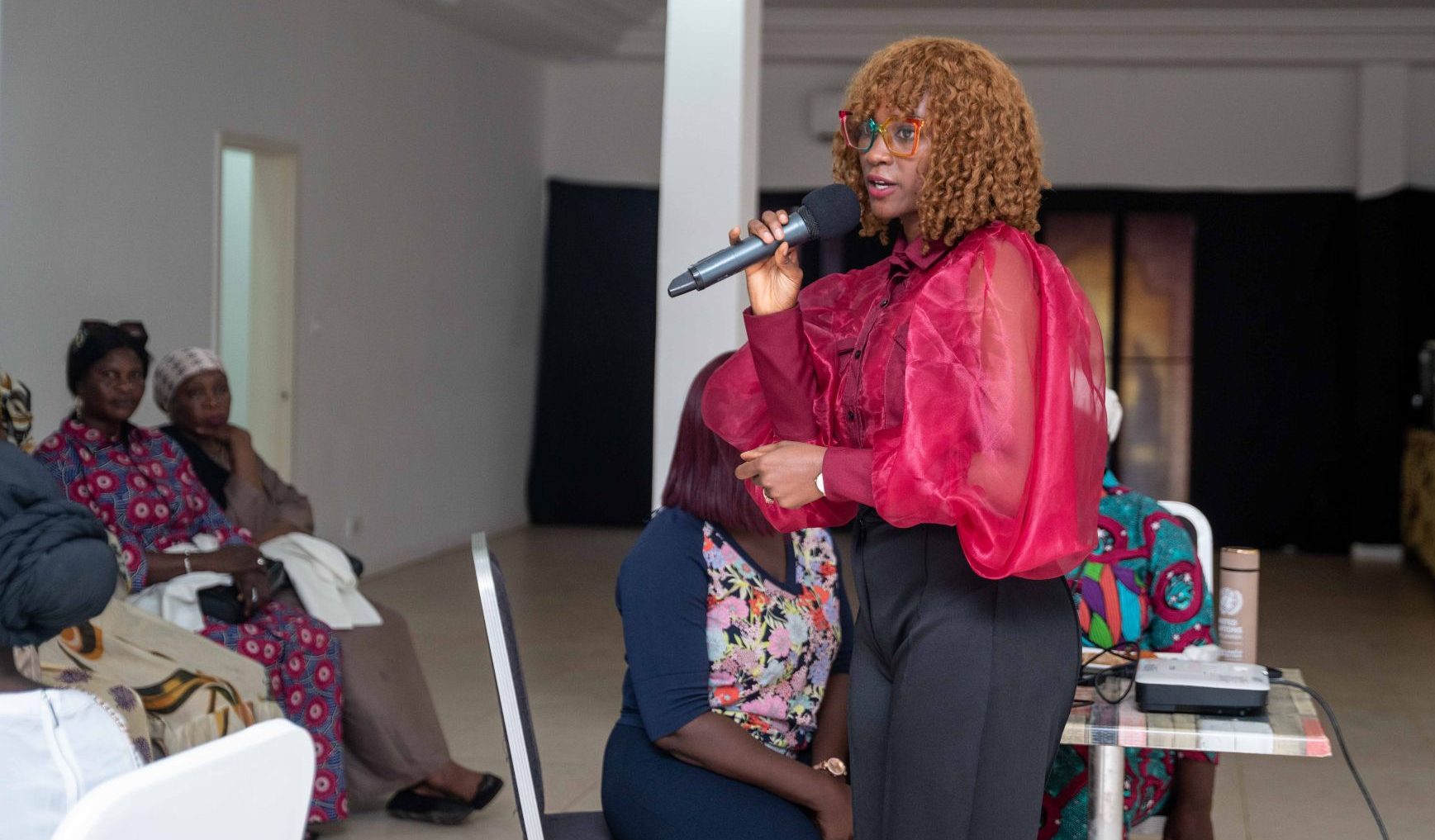
Today’s Comms Spotlight features Faith Ememodo, Doctoral Candidate in Educational Leadership at Oral Roberts University and CEO of Rise Communications Consultancy. She reflects on how a lifelong love for storytelling evolved into a career in development communications, working at the intersection of gender advocacy, youth empowerment, policy, and strategic storytelling to drive social impact.
How did you begin your career in communications?
Growing up, I always loved stories and would often ask my brother to tell me stories. That early love for storytelling stirred a passion that later grew into a career pursuit. I saw how communication could shape public understanding, influence policy, and amplify voices that were often ignored, especially women and young people.
My professional journey started in media and communications-focused roles where I developed skills in writing, content development, and public engagement. Over time, I moved into development communication, where I worked on projects addressing important issues such as gender, health, education, and youth empowerment. That experience helped me see communications as a powerful tool for advocacy, behavioral change, and social transformation.
What was your first role in communications, and what did it teach you?
My first major role in communications was as a Communications Associate with UNFPA The Gambia. UNFPA is the United Nations Population Funds.
That role gave me a strong foundation in development communication and strategic messaging. It taught me how to communicate sensitive issues with empathy and clarity, especially around Gender, Sexual and Reproductive Health Rights, Youth and Adolescents, and community development.
I learned how to write human-interest stories, engage different stakeholders, support campaigns, and connect communication products to real impact. It also taught me the importance of storytelling as evidence and a strong tool for change to support advocacy, influence policy, and show impactful results.
As CEO of Rise Communications Consultancy, what does your work look like on a day-to-day basis?
As CEO of Rise Communications Consultancy and currently pursuing a Doctorate in Educational Leadership, my day-to-day work is very dynamic and purpose-driven.
I work on a range of international and local communication projects, often supporting organisations and professionals with:
- Communication strategy support
- Proposal Writing for Grants
- Storytelling and publication development
- Script writing and content review
- Media and visibility materials
- Training and mentoring young communications professionals
- CV and cover letter reviews
A big part of my daily work also involves helping people and organisations communicate clearly and authentically, whether that is for funding proposals, advocacy campaigns, public education, or career growth.
I also use storytelling as a teaching tool, especially for young people and professionals trying to communicate complex ideas in simple and relatable ways.
 What inspired you to start Rise Communications Consultancy?
I was inspired to start Rise Communications Consultancy because I saw a gap: many amazing organisations, especially grassroots groups and women-led initiatives, were doing meaningful work but struggling to communicate their impact effectively.
I wanted to build a consultancy that helps people rise through communication by strengthening their voice, sharpening their message, and helping them tell stories that drive people to action.
My own experience across UN agencies, research institutions, and advocacy spaces showed me that communication is often the bridge between good work and real visibility. Rise Communications Consultancy was born from that belief: that the right message, told well, can open doors, influence policy, and create opportunities.
Can you tell us about a project that you particularly enjoyed working on?
I have about 3 projects I worked on that I really enjoyed.
I enjoyed my work with VBranding and Advertising, where I supported scriptwriting and content review for UNICEF The Gambia’s Sona animation series. It was a rewarding experience because it combined creativity, strategic messaging, and audience engagement through visual storytelling, something I truly enjoy.
I also had the opportunity to support related communication efforts, which further strengthened my passion for using storytelling to connect with audiences and drive impact.
Another project I enjoyed was with Maa Foundation. The project focused on empowering women’s political participation. In that role, I worked on:
- Developing two human-interest stories highlighting women’s political leadership journeys
- Produced a video documentary featuring women politicians in The Gambia
- Led a one-day training on public speaking and effective communication for women
politicians in The Gambia
I also enjoyed my work with Women in Liberation and Leadership (WILL), where I contributed to a policy brief focused on issues affecting women, including issues on Female Genital Mutilation and the need for stronger action and policy responses.
That project was especially meaningful to me because it sat at the intersection of gender advocacy, policy, and storytelling, areas I deeply care about. It allowed me to support communication that was not only informative but also urgent and solution-focused.
These projects stand out for me because they reflect the kind of communications work I love most: work that is creative, strategic, and rooted in social impact.

What book are you currently reading or would you recommend to young communications professionals? And why?
I would recommend Difficult Conversations: How to Discuss What Matters Most by Douglas Stone, Bruce Patton, and Sheila Heen, and Americanah by Chimamanda Ngozi Adichie.
Why these two books?
Difficult Conversations are very useful for young communications professionals because communication is not only about writing well, it is also about handling sensitive conversations well. The book teaches how to navigate disagreement, manage emotions, listen actively, and communicate clearly, even when the topic is uncomfortable. Those are essential skills in media, advocacy, leadership, and workplace communication.
Another book is Americanah, the book is a powerful reminder of the role of storytelling in shaping how we understand identity, culture, race, and society. For communications professionals, it shows how stories can challenge assumptions, humanise complex issues, and connect with people on a deeper level. Chimamanda’s writing is also a masterclass in voice, perspective, and clarity.
Together, these books help build your practical communication skills, deepen your storytelling and social awareness, both of which are essential for impactful communication.