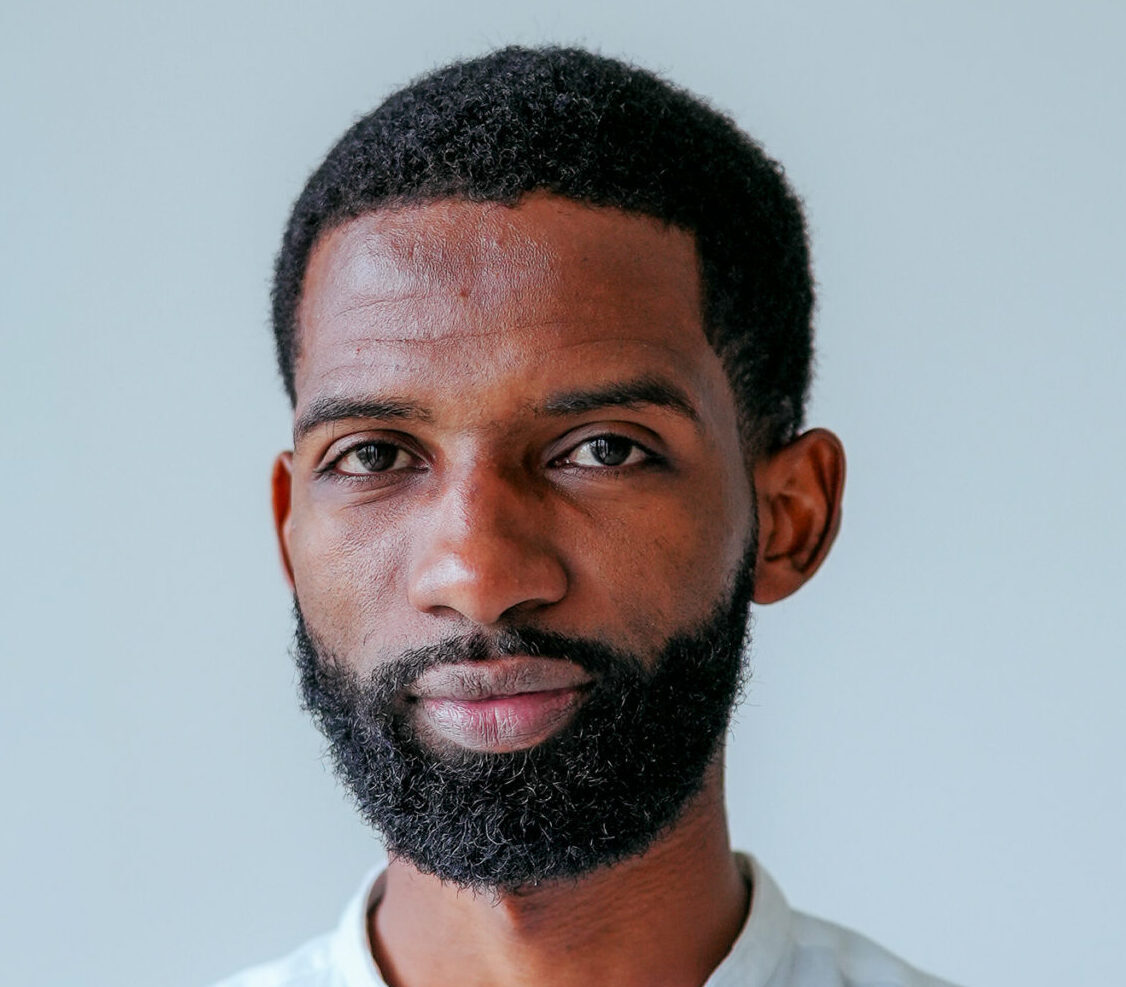

To grow as a young communication professional, you must actively build your skills, stay adaptable to change, and keep learning continuously. In this piece, Mercy Mbuge, Communications Officer at the Africa Enterprise Challenge Fund, shares how she intentionally developed her skills over time, drawing from real experiences that shaped her into a more confident and well-rounded communications professional.
When I landed my first communications job, I quickly realised that real-world communication was nothing like what I had learned in school. I felt unprepared, especially when tasked with packaging content for different audiences. Beyond basic theory, my academic knowledge did not help much. Unsure how to ask for help, I took charge of my learning.
I soon learned that communication is a dynamic process that requires continuous growth. Through this journey, I identified ten key communication skills for young professionals, grouped into three areas that continue to help me grow and stay relevant in the field.
Communication Skills Every Young Professional Needs
1. Writing and editing
I struggled with writing, unsure of how to structure my thoughts. So I turned to books: fiction, autobiographies, and non-fiction, exploring everything from trade to history. Reading exposed me to different writing styles and helped me understand how great communicators simplify complex ideas.
The first book I finished was The Alchemist by Paulo Coelho, and that sense of accomplishment pushed me to read more. Over time, writing became easier, and my confidence as a communicator grew. But reading alone was not enough. I started writing at work, in my journal, and even in casual notes.
2. Storytelling
I learned that storytelling is at the heart of effective communication. Whether writing reports, creating social media content, or giving presentations, I realised that people connect with stories more than facts alone. I studied how communicators like Chimamanda Ngozi Adichie and Paulo Coelho use storytelling to make their messages memorable.
To improve, I started incorporating personal anecdotes into my work. I also practised simplifying complex ideas into relatable narratives. Over time, I noticed that my audience engaged more with my content because they saw themselves in the stories I told.
3. Public speaking and presentation
Public speaking did not come naturally to me, but I knew it was a skill I had to develop. I joined Toastmasters International, where I practised speaking in front of an audience and received constructive feedback. I also watched TED Talks and observed how experienced speakers used body language, voice modulation, and pauses to keep their audience engaged.
One of the most useful lessons I learned was preparation. I started scripting my speeches, practising in front of a mirror, and even recording myself to identify areas for improvement. Over time, my confidence grew, and I began looking forward to speaking opportunities instead of dreading them.
4. Active listening
I used to think that being a good communicator was all about how well I could speak or write, but I soon realised that listening was just as important. Active listening helped me understand people better, making my responses more thoughtful and effective.
I practised being fully present in conversations by putting my phone away, making eye contact, and summarising what I heard before responding. This small shift transformed my interactions, whether in meetings, interviews, or casual discussions. By listening more, I built stronger relationships and became a more impactful communicator.
Building a Strong Professional Presence in Communication
5. Personal branding
I realised that in communication, skills alone were not enough. I needed to stand out. I began by refining my online presence, updating my LinkedIn profile, and sharing insights on topics that mattered to me. Consistency was key. Whether through writing, speaking, or design, I focused on delivering value. Over time, people began to associate me with my expertise, opening doors to opportunities I had not even pursued.
6. Networking
Growth does not happen in isolation. At first, networking felt intimidating, but I learned that it was not about collecting business cards. It was about building genuine relationships. I attended industry events, joined online communities, and connected with professionals whose work inspired me. Instead of only seeking advice, I offered value where I could.
Over time, meaningful connections turned into mentorships, collaborations, and unexpected career opportunities. Every meeting, every interaction, and even small improvements compound over time.
Staying Ahead: Continuous Growth in Communications
7. Embracing lifelong learning in communications
The communications field is always evolving, so I committed to learning beyond formal education. I took internships, enrolled in online courses, attended webinars, and read industry blogs.
Learning kept me confident. Whether it was mastering new tools or improving my storytelling, every new skill expanded my ability to make an impact.
8. Adapting to industry changes and communication trends
I used to resist change, but I soon realised that adaptability is a strength. The shift to digital media, the rise of AI, and evolving audience preferences meant I had to stay flexible. Instead of fearing change, I embraced it by experimenting with new platforms, learning from trends, and staying open to new ways of communicating. The more I adapted, the more I thrived.
9. Leveraging digital and social media in communication
The digital landscape is constantly evolving, and as a communications professional, I knew I had to keep up. I started by following industry leaders, experimenting with different platforms, and analysing what worked. Social media became more than a tool for engagement. It became a space to build credibility, share insights, and connect with a wider audience.
I also learned that trends come and go, but strategy remains key. Instead of chasing every new feature, I focused on understanding my audience and delivering content that resonated. Whether through short-form videos, interactive posts, or storytelling threads, I adapted my approach while staying true to my voice.
10. Learning data-driven communication
At first, I relied on intuition to gauge whether my communication efforts were effective. I soon realised that data provides valuable insights. I started tracking engagement metrics, website analytics, and audience behaviour to refine my messaging.
The numbers told a story: what content performed well, what needed improvement, and where my audience was most active. By embracing data, I made more informed decisions, ensuring my work was not only creative but also impactful. Over time, I learned that effective communication is about measuring how well your message is received and improving based on real results.
It is Never Too Late to Start
The field of communication is constantly evolving, with new trends emerging every day. By taking deliberate steps to grow, you can keep evolving too.
Building a successful career in communication requires continuous growth, adaptability, and a willingness to learn. From strengthening core skills to embracing digital trends and data-driven strategies, each step brings you closer to becoming a well-rounded professional.
As Winston Churchill once said, “Success is going from failure to failure without losing enthusiasm.”
By taking these steps, I began to grow and gain confidence in my communication roles. The industry will continue to evolve, but the foundation remains the same: clear storytelling, strategic networking, and a commitment to lifelong learning. Stay curious, embrace change, and keep refining your craft. Your growth is a journey, not a destination. Keep learning, keep sharing, and most importantly, keep communicating with impact.