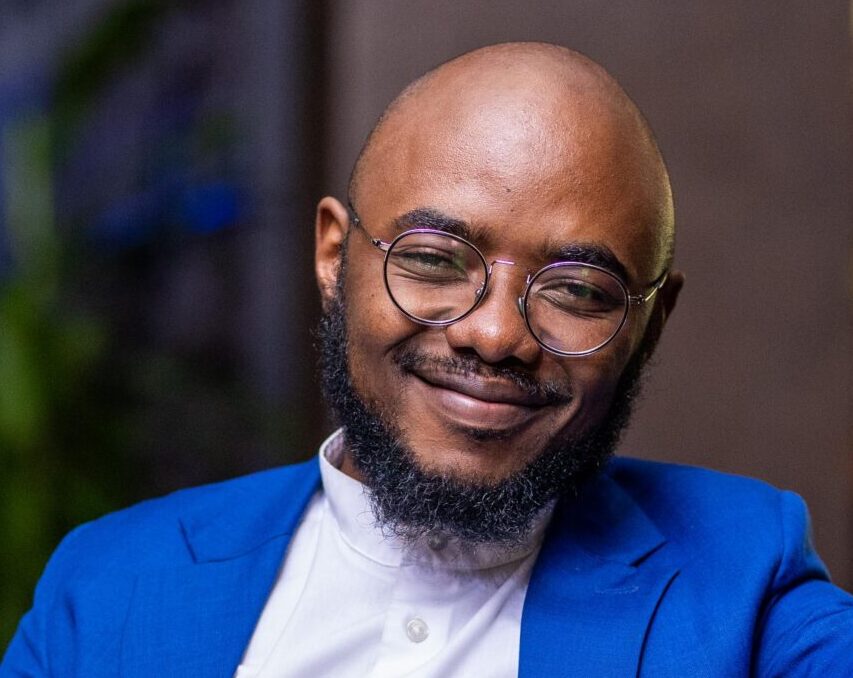
Olanrewaju Faremi is an English and French-speaking communications specialist with an MA in International Relations and Diplomacy and experience across UNDP, UN Women and INTERSOS, most recently with UNDP Mali. He has delivered strategic communications, storytelling and digital content in Mali, Chad, and Nigeria
What inspired you to pursue a career in Communications?
I’ve always had a knack for storytelling. Even as a child, in conversations with friends and family, I noticed how descriptive I could get. I was also a very visual person. I filled my notebooks and sketch pads with drawings, especially in visual arts class. Over time that grew into an interest in graphic design. So in a way, I turned a childhood passion into a career. Communication felt natural and relatable to me, and working in it has never felt like work I had to force myself into.
What does a typical day look like for you as a Senior Communications Officer?
I start by writing down my tasks for the day and prioritising them, so that by the end of the day everything I set out to do is done. Then it’s a mix. I create content for social media, through graphic design or through success stories we’ve gathered. I make sure articles are going onto the organisation’s website. I edit videos, for example a success story from a rural community about how we’ve supported them. All of this is tied back to the organisation’s communication strategy, so our followers are informed about our work and kept engaged with it. When the day ends, after being creative all day, I wind down by speaking with friends and family and catching up.
What is one of the biggest lessons you’ve learned moving from early-career roles into a senior position?
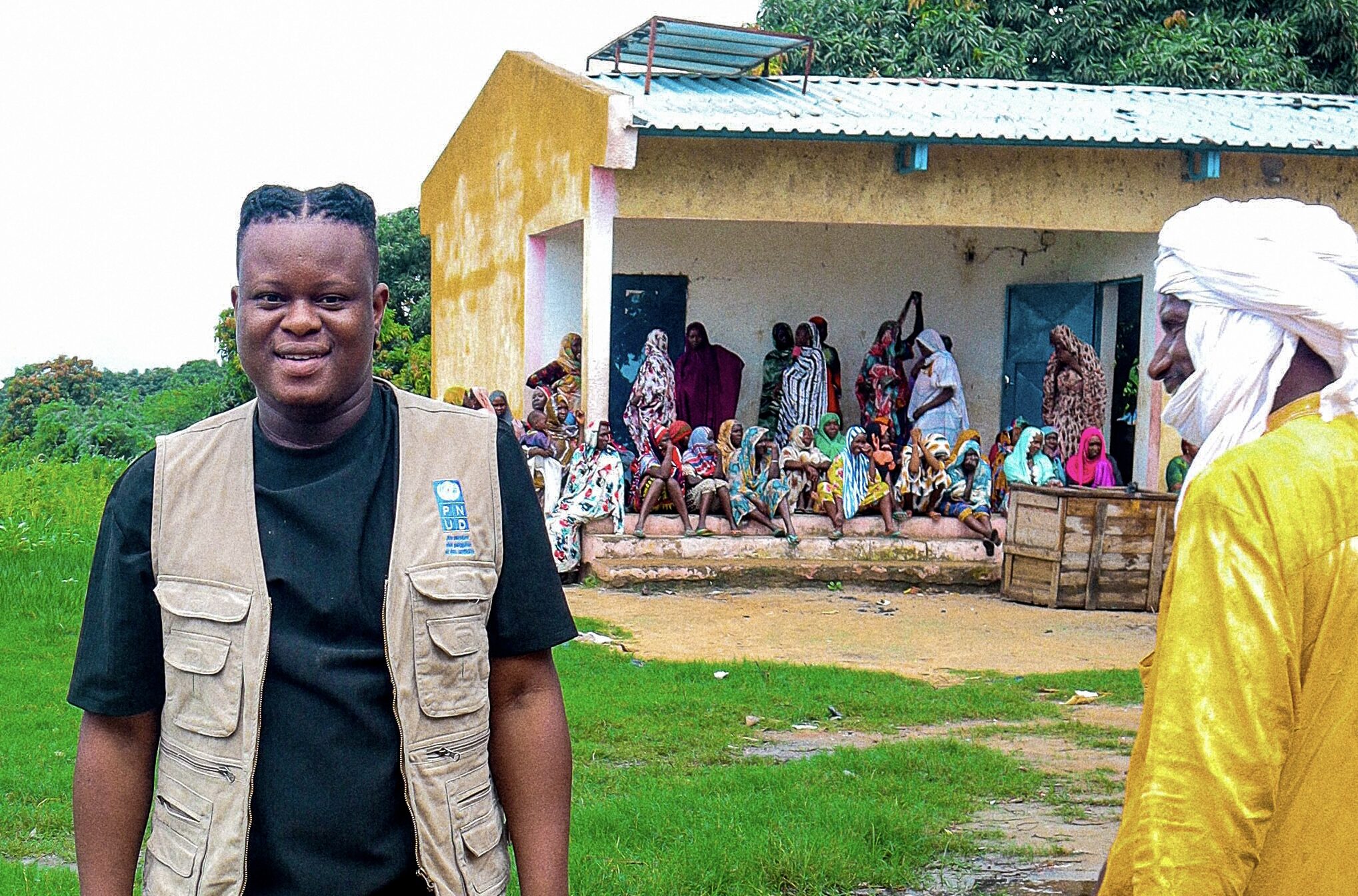
That people receive information in different ways. Young people take it in differently from the older generation. Over the years I’ve learned to communicate with youth in climate organisations, with young people in rural communities, and with those working on digital systems. I’ve also learned to communicate with donors, who expect stories that show the impact of their contribution, and with government officials, where the goal is to show how our work can influence policy. And I’ve learned that you can’t communicate only to the literate population. In countries where French or English is the official language, rural communities often speak Bambara, Arabic or other local languages. A message that doesn’t reach them in a language they understand hasn’t really been communicated.
How do you balance the need to communicate quickly with the need to communicate strategically?
Accuracy comes first, however fast you need to move. If the information isn’t right, speed doesn’t matter. Ethical communication is non-negotiable too, especially when you’re telling people’s stories. Being strategic means knowing exactly who you’re talking to. To reach young people, you use the channels and the kind of content that work for them. With donors, partners and government, you communicate in a way that shows their resources are reaching the communities and delivering the objectives they set. In practice, this is what makes speed possible. If you’ve already thought about your audiences and your key messages, you can respond quickly without having to think from scratch. In Chad, for example, I prepared holding statements and Q&A in advance for security incidents, so we could respond fast and stay accurate.
What role has mentorship played in shaping your career?
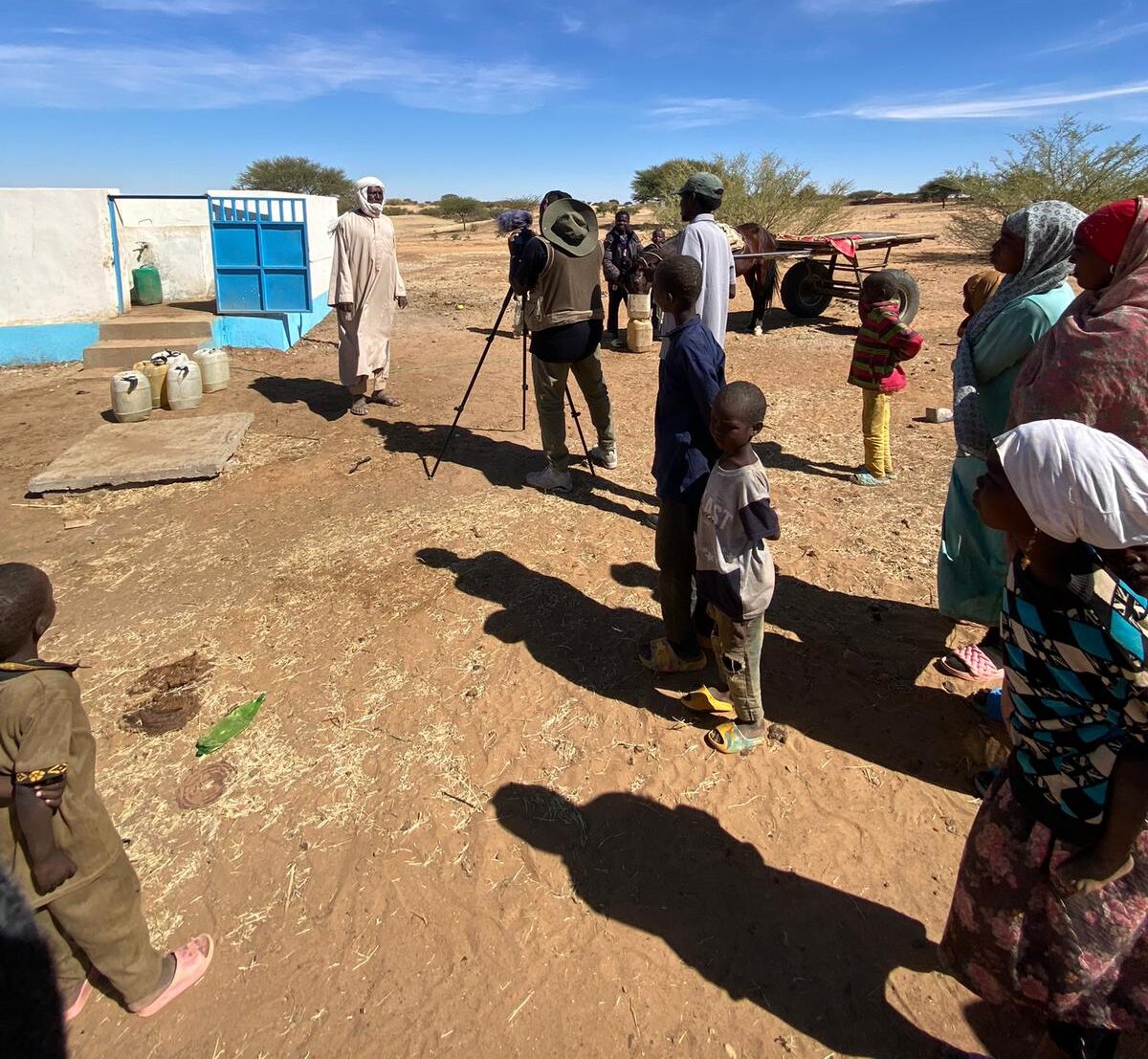
A big one. I started my communications career at UN Women working closely with three women who taught me a lot. They reviewed my work thoroughly and gave detailed feedback, especially on graphic design, video making and storytelling, and on making sure consent is properly obtained before a story is published. But mentorship only works if you listen. You look at other people’s work, you see how they use their tools, and you learn from it. I’ve learned from the older generation with long careers in communications, and from younger colleagues too, because I don’t know every tool out there. I’ve also had the chance to teach others, and I stay open to learning from everyone I’ve worked with, at UN Women and at UNDP.
What advice would you give to communications professionals looking to move into more senior roles?
Be open, and look for new challenges. Communications keeps changing with each generation and almost every day. I was lucky to move from UN Women in Nigeria to support UNDP in Chad with little knowledge of French. I took the opportunity anyway, determined to learn the language and tell the story of UNDP’s work there. The first few years were difficult, but I adapted, and within two years I was comfortable speaking and understanding French. I leaned on French speakers to strengthen my writing. That move opened doors: UNDP in Mali and Smart Africa in Rwanda, going beyond the cities into the field to gather success stories, and work with youth climate organisations and digital transformation initiatives. So my advice is to stay open, stay teachable, and be willing to move. Listen, speak up, and learn from everyone.